Snorkeling Tours
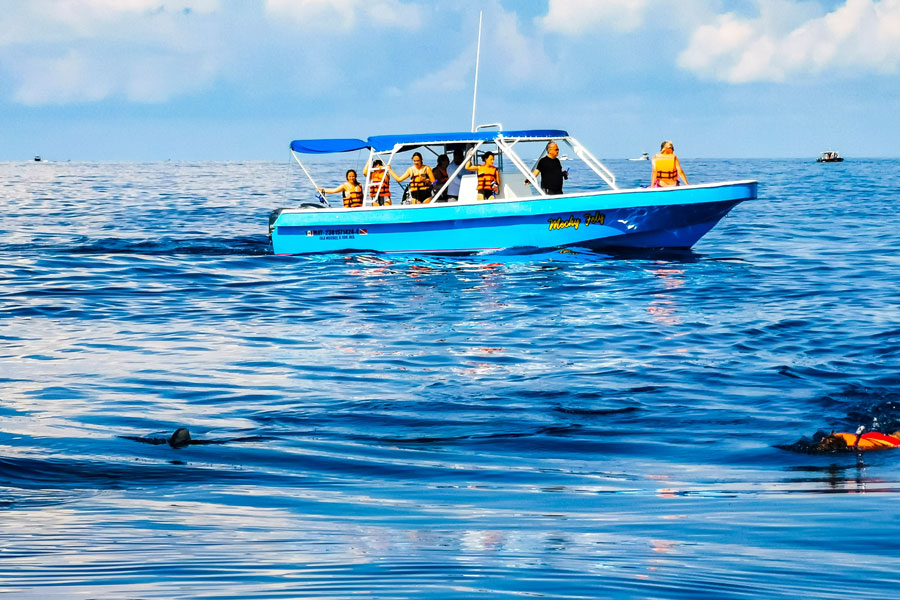
Florida’s warm climate and varied waters make it one of the country’s top destinations for snorkeling. From coral reefs in the Keys to clear freshwater springs inland, snorkelers can discover colorful fish, unique underwater landscapes, and memorable guided adventures. Whether you are a first-timer or a seasoned snorkeler, Florida offers tour options for a wide range of comfort levels and interests.
Popular Operators
Here are some well-known operators and departure areas for snorkeling tours in Florida. Tour schedules, launch points, and included amenities may vary by date.
- Spirit Snorkeling – Based in Marathon, this operator is known for trips to Sombrero Reef, typically including snorkeling gear and guidance for exploring the reef.
- Fury Water Adventures – Located in Key West, Fury offers reef snorkeling excursions in the Florida Keys National Marine Sanctuary, with options that are popular with beginners and families.
- John Pennekamp Coral Reef State Park-area tours – In Key Largo, several tour boats serving the park area take guests to nearby reef sites for guided snorkeling over tropical fish habitat and coral formations.
- Island Ventures – Specializing in private and small-group outings around the Upper Keys, Island Ventures offers a more personalized snorkeling experience.
- Aquatic Wilderness Adventures – Operating in Crystal River, this company is known for guided manatee encounters and seasonal snorkeling experiences in spring-fed waters.
Locations
Florida offers a wide variety of snorkeling locations, each with its own marine environment and style of experience:
- Key Largo – Often called the gateway to the Florida Keys, Key Largo is home to the famous John Pennekamp Coral Reef State Park. Visitors can explore shallow reef areas, coral habitat, and abundant tropical fish.
- Biscayne National Park – Just off the coast of Miami, Biscayne National Park features coral reefs, seagrass beds, mangroves, and diverse marine life. Guided trips often provide access to some of South Florida’s most scenic snorkel sites.
- Dry Tortugas National Park – About 70 miles west of Key West, Dry Tortugas offers remote snorkeling near Fort Jefferson and surrounding waters. Access is typically by ferry, private boat, or seaplane, and conditions can vary.
- Devil’s Den – This prehistoric spring in Williston offers a distinctive freshwater snorkeling experience in a cave-like setting with generally clear water and a very different feel from Florida’s coastal reefs.
- Sombrero Reef – Located off Marathon, this reef is part of the Florida Keys National Marine Sanctuary and is one of the best-known snorkel destinations in the Middle Keys.
Season
Snorkeling is available year-round in much of Florida, but the best conditions depend on location, water temperature, visibility, wind, and recent weather:
- Florida Keys: Late spring through early fall often brings warm water and good visibility, though tours operate in many seasons when seas are calm enough.
- Biscayne National Park: Spring and summer are frequently favored for calmer conditions, but weather and water clarity can change quickly.
- Devil’s Den: Freshwater snorkeling is available year-round, with relatively stable water conditions compared with open-water coastal sites.
- Crystal River: Winter is the best-known season for manatee-related snorkeling experiences, when the animals gather in warmer spring-fed waters. Outside peak season, tours may still operate, but wildlife sightings are less predictable.
Marine Wildlife You May See
Florida’s waters support a remarkable range of marine life. Wildlife sightings are never guaranteed, but snorkelers may encounter:
- Sea Turtles: Often seen around reef and seagrass habitats in the Florida Keys and Biscayne area.
- Manatees: Best known from Crystal River and nearby spring systems, especially during cooler months.
- Colorful Reef Fish: Parrotfish, angelfish, sergeant majors, butterflyfish, and many other species are common at popular reef sites.
- Dolphins: More often spotted from the boat, but occasionally seen near snorkelers in coastal waters.
- Rays and Nurse Sharks: These are sometimes seen resting on sandy bottom areas or cruising near reef habitat.
Eco-Friendly Practices
Florida’s reefs, springs, seagrass beds, and wildlife habitats are sensitive environments. Responsible snorkeling helps protect these places for future visitors and for the species that depend on them.
Here are a few smart practices to keep in mind:
- Use Reef-Safe Sunscreen: Mineral-based sunscreen is often preferred around coral and sensitive marine habitat.
- Do Not Touch Coral or Wildlife: Keep your hands, feet, and fins clear of reefs, and give animals plenty of space.
- Follow Guide Instructions: This is especially important on manatee tours and in protected areas where special wildlife viewing rules may apply.
- Take Only Photos: Leave shells, coral pieces, and marine life where you find them.
What to Expect
Snorkeling tours in Florida commonly include some combination of the following:
- Guided outings led by captains or instructors familiar with local reef, spring, or sanctuary conditions.
- Snorkeling gear such as masks, snorkels, fins, and sometimes flotation devices or wetsuits.
- Boat transportation for offshore reef sites and more remote snorkeling areas.
- Safety briefings covering equipment use, water entry, wildlife etiquette, and local rules.
- Flexible routing based on weather, wind, tide, and visibility. Operators may adjust destinations for safety and comfort.
Before you book, it is a good idea to check what is included, whether basic swimming ability is recommended, and whether age or health guidelines apply. Hours and availability vary by operator and season.
Experience Florida’s underwater treasures with one of these snorkeling tours and discover why the state remains a favorite destination for reef lovers, wildlife watchers, and water adventurers.