Looe Key Reef, Florida Keys
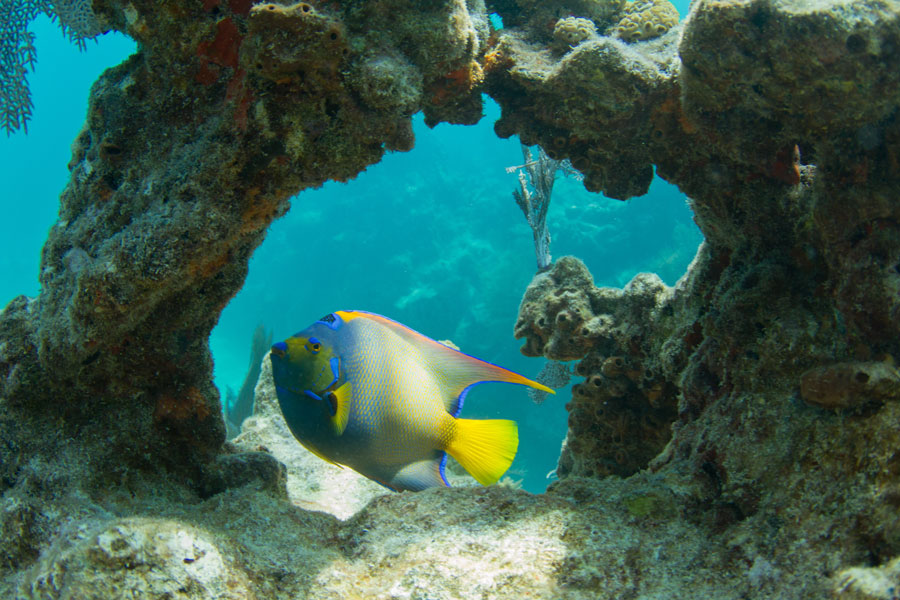
Located within the Florida Keys National Marine Sanctuary in the Lower Keys, south of Big Pine Key and Ramrod Key, Looe Key Reef is one of Florida’s best-known coral reef destinations for snorkeling and diving. Named for the HMS Looe, which ran aground here in 1744, the reef is celebrated for clear water, striking spur-and-groove formations, and abundant marine life. It remains a favorite outing for visitors who want to experience the underwater side of the Florida Keys while visiting a protected and ecologically important reef.
Top Things to Do at Looe Key Reef
- Snorkeling in Clear, Shallow Reef Areas
Looe Key Reef is a popular snorkel site, especially on calm-weather days, with tours available for many experience levels:- Float above coral ridges and sandy channels while spotting parrotfish, angelfish, sergeant majors, and other tropical species.
- Watch for sea turtles, barracuda, nurse sharks, and spotted eagle rays, all of which may be seen depending on conditions and season.
- Many Lower Keys operators offer snorkel trips that include gear, safety briefings, and reef-education guidance.
- Scuba Diving the Reef
Looe Key is also a standout dive site thanks to its reef structure, marine life, and generally diver-friendly profile:- Explore the reef’s classic spur-and-groove formations, which create channels, ledges, and varied habitat for fish and invertebrates.
- Look for coral formations, sea fans, sponges, schooling fish, and larger species cruising along the reef edge.
- Trip depth, certification requirements, and site selection vary by operator and sea conditions, so check in advance if you are new to diving.
- Explore a Protected Sanctuary Area
Looe Key Reef lies within a Sanctuary Preservation Area, which helps protect coral habitat and marine life:- The area is managed as a no-take, no-collect zone, so visitors should not remove marine life, coral, or other natural resources.
- Responsible reef etiquette is essential: do not touch or stand on coral, and keep fins, gear, and hands clear of the reef.
- Boaters should use mooring buoys when available rather than anchoring on the reef.
- Enjoy the Lower Keys Underwater Music Festival
This long-running summer event is closely associated with Looe Key Reef and reef-conservation awareness in the Lower Keys:- Snorkelers and divers may enjoy music broadcast underwater while participating with local charters and conservation-minded events.
- Dates, operators, and the exact event format may vary by year, so it is best to confirm current details before planning around it.
- Wildlife Spotting
The reef supports a wide variety of marine life and makes a rewarding site for slow, careful observation:- Look for butterflyfish, wrasse, grunts, snapper, and colorful reef fish weaving through coral heads and sea fans.
- Moray eels, lobsters, and smaller reef creatures may be tucked into crevices and under ledges.
- Wildlife sightings always vary, but calm seas and good visibility can make for an especially memorable outing.
Additional Activities
- Photography and Videography
Bring an underwater camera or action camera for reef scenes, fish life, and wide blue-water views when visibility is good. - Educational Eco-Tours
Many charter operators share information about reef ecology, coral protection, sanctuary rules, and the challenges facing Florida Keys reefs. - Fishing Nearby
Fishing is not allowed within the protected reef area, but anglers can find legal opportunities in nearby waters outside sanctuary protection zones, subject to current regulations.
Amenities & Facilities
- Boat Charters and Guided Tours: Numerous Lower Keys operators offer snorkeling and diving trips to Looe Key Reef.
- Equipment Rentals: Snorkeling and scuba gear are commonly available through local dive shops and charter companies.
- Mooring Buoys and Sanctuary Markers: Boaters should follow posted sanctuary rules and use designated mooring buoys when available to help prevent anchor damage.
- No On-Site Visitor Facilities: There are no restrooms, food service, or staffed visitor amenities at the reef itself; plan to use marina or tour-operator facilities before departure.
Accessibility
Looe Key Reef is accessible only by boat, but several tour options make it reachable for many visitors:
- Guided Tours: Snorkel and dive trips commonly depart from marinas in the Lower Keys, with schedules that may vary by season, operator, and weather.
- Private Boats: Experienced boaters can visit independently, but should review sanctuary regulations, weather, sea state, and mooring guidance before heading out.
- Mobility Considerations: Accessibility varies by vessel, dock, ladder setup, and crew assistance, so travelers with mobility needs should contact operators in advance for specifics.
Tips for Visiting Looe Key Reef
- Book in Advance: Snorkeling and diving tours can fill quickly during busy travel periods and holiday weekends.
- Choose Reef-Conscious Sun Protection: A rash guard or UV shirt can reduce sunscreen use, and reef-safer sun protection is a smart choice for time on the water.
- Know Your Limits: New snorkelers and divers should choose guided trips that match their comfort level and follow crew instructions closely.
- Follow Conservation Rules: Do not touch coral, chase wildlife, feed fish, or leave trash behind.
- Check Weather and Marine Conditions: Wind, waves, visibility, and trip availability can change quickly in the Keys, and calm conditions usually make for the best experience.
Vicinity of Looe Key
Nearby Attractions
- National Key Deer Refuge: Visit Big Pine Key to see endangered Key deer in their natural habitat.
- Bahia Honda State Park: Explore beautiful beaches, kayaking, and scenic views nearby.
- Seven Mile Bridge: Enjoy one of the Keys’ most famous drives with expansive ocean views.
- The Turtle Hospital: Learn about sea turtle rescue, rehabilitation, and conservation in Marathon.
Why Visit Looe Key Reef?
Looe Key Reef is one of the Florida Keys’ signature underwater destinations, offering memorable snorkeling and diving in a protected marine environment. With its coral formations, colorful reef fish, and often-excellent visibility, it gives visitors a close-up look at the natural beauty that makes the Keys so special. Whether you are joining a guided snorkel trip, logging a reef dive, or simply hoping to see tropical marine life in the wild, Looe Key Reef delivers a rewarding Lower Keys experience while highlighting the importance of reef conservation.
For current sanctuary regulations, boating guidance, and reef-protection information, visit the official Florida Keys National Marine Sanctuary website