Intracoastal Waterway: Visitor Guide
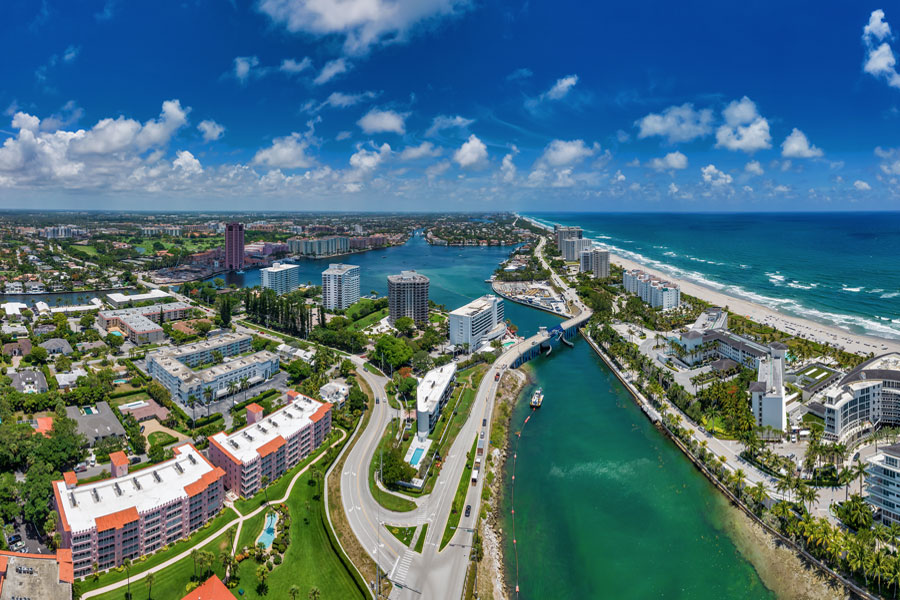
The Intracoastal Waterway in Florida offers one of the state’s most scenic ways to explore the coast. For visitors, it can mean peaceful boat rides, waterfront dining, wildlife viewing, paddling trails, and access to beautiful stretches of shoreline near some of Florida’s best-known towns and cities.
What is the Intracoastal Waterway?
The Intracoastal Waterway is part of a federally maintained inland navigation system made up of natural inlets, rivers, bays, lagoons, and canals. In Florida, the term is used most often for the Atlantic Intracoastal Waterway running from Fernandina Beach near the Georgia border south toward Miami. On the Gulf Coast, visitors and boaters also commonly use “the Intracoastal” to describe connected Gulf Intracoastal Waterway segments, bays, and marked inland routes near places such as Tarpon Springs, Sarasota, and Naples.
Discover the Geographic Scope
The Intracoastal experience in Florida varies by region:
- East Coast: Starting near the Georgia border, the route passes historic and coastal destinations including St. Augustine, the Space Coast, the Palm Beaches, Fort Lauderdale, and the waters leading toward Biscayne Bay in South Florida.
- West Coast: On the Gulf side, the route is less of a single uninterrupted canal and more a chain of protected bays, passes, and marked inland channels used by boaters along places such as Tarpon Springs, Tampa Bay, Sarasota, Charlotte Harbor, and Naples.
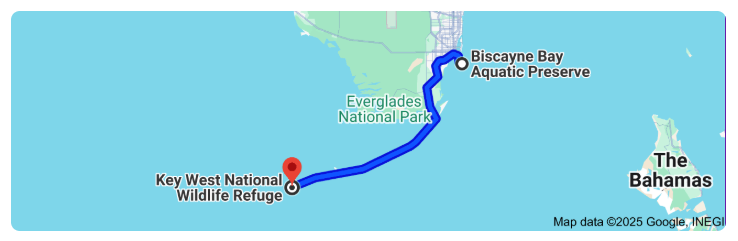
- South Florida and the Keys Connection: Many travelers continue from the Miami area toward the Florida Keys via connected bays, channels, and coastal routes. If you are boating beyond the main Intracoastal route, local charts and current conditions are especially important.
Key Attractions Along the Intracoastal Waterway
- Scenic Views:
- Experience Florida’s natural beauty, from mangroves and salt marshes to sandy shores, barrier islands, waterfront skylines, and calm cruising waters.
- Top Stops for Visitors:
- Fort Lauderdale: Often called the “Venice of America” for its extensive canal network and boating culture.
- St. Augustine: A historic waterfront city known for its colonial-era character and views along Matanzas Bay.
- Biscayne Bay: A striking expanse of blue water near Miami with boating, sightseeing, and coastal scenery.
- Indian River Lagoon: A biodiverse estuary where visitors may spot dolphins, manatees, and a wide variety of birds.
- Waterfront Experiences:
- Along many stretches, visitors can enjoy riverwalks, parks, public fishing piers, sightseeing cruises, and dock-and-dine stops without needing to plan a long boat trip.
Boating and Water Activities
The Intracoastal is a favorite for on-the-water recreation. Popular options include:
- Boating: Rent a boat, join a sightseeing cruise, or launch your own vessel from a public ramp or marina. Availability and launch conditions vary by location.
- Fishing: Try inshore fishing for species such as snook, redfish, seatrout, and tarpon in season. Regulations and license requirements may apply unless you are fishing on a properly licensed charter or pier.
- Paddleboarding & Kayaking: Calm stretches, side creeks, and sheltered bays can be excellent for paddling and wildlife viewing.
- Guided Tours: Eco-tours, water taxis, sunset cruises, and narrated sightseeing trips are available in many Intracoastal communities.
Safety tip: Bridge opening times, tides, weather, and temporary restrictions can change. Boaters should watch for navigational markers, no-wake zones, and posted manatee protection areas.
Wildlife and Natural Beauty
The Intracoastal Waterway is also one of Florida’s best places to appreciate coastal ecosystems. Depending on where you go, you may see dolphins, manatees, pelicans, egrets, ospreys, herons, rays, and jumping fish. Protected areas such as the Indian River Lagoon help support these habitats, and many visitors come as much for the scenery and birdlife as for boating itself. Give wildlife plenty of space and never feed or chase animals.
Recreational Opportunities
The Intracoastal experience goes beyond the water:
- Waterfront Dining: Enjoy fresh seafood and marina views at dockside restaurants and casual waterfront cafés.
- Shopping: Coastal downtowns and marina districts often feature boutiques, galleries, outfitters, and local markets.
- Festivals and Events: Seasonal boat parades, seafood festivals, art walks, and waterfront celebrations are common in Intracoastal communities.
South Florida and the Keys Connection
Practical Tips for Visitors
- Best Time to Visit: The Intracoastal can be enjoyed year-round, with winter and spring especially popular for milder temperatures and generally lower humidity.
- Access Points: Public boat ramps, marinas, waterfront parks, fishing piers, sightseeing cruises, and water taxis provide different ways to experience the route.
- Navigation: Use marine charts, GPS, and current local information rather than general road maps alone. Bridge openings, shoaling, tides, and temporary restrictions may affect travel.
- What to Bring: Sun protection, drinking water, polarized sunglasses, and a dry bag are smart additions for most outings on or near the water.
Why Visit the Intracoastal Waterway in Florida?
The Intracoastal Waterway delivers a memorable mix of sightseeing, boating culture, wildlife, and relaxed coastal atmosphere. Whether you’re cruising through Fort Lauderdale’s canals, paddling a quiet shoreline, fishing near the Indian River Lagoon, or simply enjoying a waterfront lunch with a view, it is one of Florida’s most rewarding ways to experience the state from the water.