Florida’s Gulf Coast
Florida’s Gulf Coast stretches for hundreds of miles along the western side of the state, connecting the white-sand beaches of the Panhandle with the waterfront cities of Tampa Bay, the barrier islands of Sarasota and Charlotte counties, and the tropical coastal communities of Southwest Florida. Beaches, fishing villages, major cities, wildlife refuges, state parks, historic towns, islands, bays, estuaries, and some of Florida’s most popular vacation destinations are found along this remarkably varied coastline.
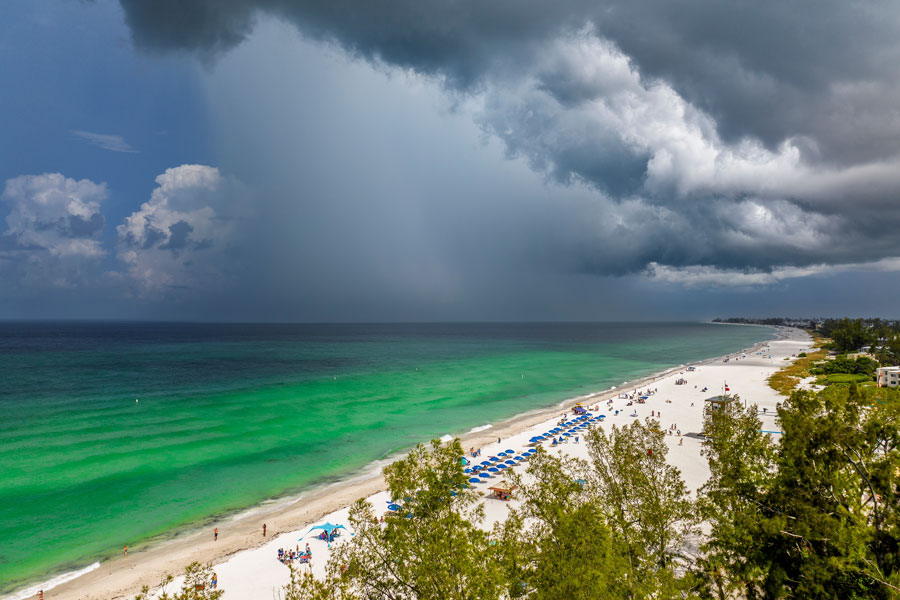
The Gulf Coast is not one single official administrative region. Instead, the term broadly describes Florida communities facing the Gulf along the state’s western coastline. Depending on how the region is defined, it can include destinations from Pensacola and the western Panhandle south through Destin, Panama City Beach, the Nature Coast, Tampa Bay, Sarasota, Charlotte Harbor, Fort Myers, Bonita Springs, Naples, Marco Island, and the edge of the Everglades.
For visitors, that enormous geographic range creates very different travel experiences. Northwest Florida is famous for brilliant white sand and emerald-colored water. The central Gulf Coast combines beaches with major urban destinations such as Tampa, Clearwater, and St. Petersburg. Farther south, Sarasota and Southwest Florida offer barrier islands, mangrove estuaries, shelling beaches, upscale downtown districts, boating communities, tropical vegetation, and access to the Everglades.
The Gulf Coast is also one of Florida’s strongest regions for boating, recreational fishing, kayaking, paddleboarding, shelling, wildlife watching, seafood dining, and sunset viewing. Because the coastline includes large bays, protected sounds, barrier islands, rivers, springs, estuaries, and open Gulf water, visitors can experience dramatically different landscapes while traveling through the region.
About the Region
Florida’s Gulf Coast changes noticeably as it moves from north to south. In the Panhandle, communities such as Pensacola, Navarre, Fort Walton Beach, Destin, and Panama City Beach are associated with broad beaches, coastal dunes, fishing, military history, resort communities, and the clear waters of the Emerald Coast.
East of the Panhandle’s larger resort centers, Florida’s coastline becomes quieter and more natural around places such as Mexico Beach, Port St. Joe, Cape San Blas, Apalachicola, St. George Island, Carrabelle, and the Big Bend. This portion of the coast is known for working waterfronts, seafood, oyster history, state forests, wildlife habitat, salt marshes, rivers, and relatively undeveloped stretches of shoreline.
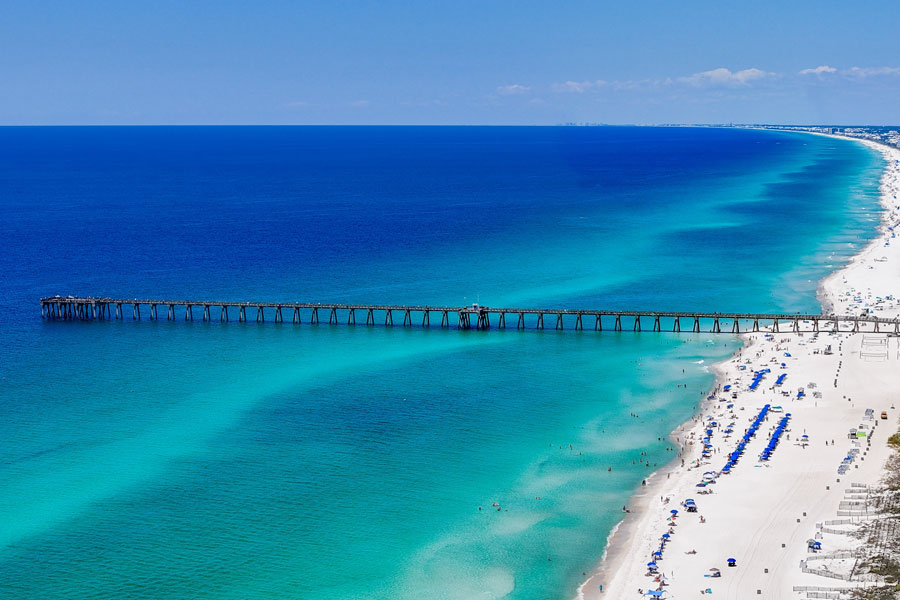
The Nature Coast and northern central Gulf region offer another change in scenery. Communities such as Cedar Key, Crystal River, Homosassa, Weeki Wachee, and Tarpon Springs are closely associated with springs, estuaries, fishing, manatees, scalloping, wildlife, and Old Florida coastal landscapes. Here, salt marshes and shallow coastal waters often replace the continuous beachfront development found farther south.
The Tampa Bay region is the largest urban center on Florida’s Gulf side. Tampa, Clearwater, St. Petersburg, Dunedin, Tarpon Springs, and surrounding communities combine beaches and waterfront recreation with professional sports, museums, entertainment districts, airports, shopping, restaurants, cultural attractions, and some of the state’s largest residential areas.
South of Tampa Bay, the coastline continues through Bradenton, Anna Maria Island, Longboat Key, Sarasota, Siesta Key, Venice, Englewood, Charlotte Harbor, Fort Myers, Sanibel and Captiva, Bonita Springs, Naples, Marco Island, and the Ten Thousand Islands. This southern stretch is especially well known for barrier islands, tropical vegetation, mangrove-lined waterways, shelling, boating, wildlife, beaches, golf, waterfront dining, and winter tourism.
Major Cities and Communities on Florida’s Gulf Coast
Florida’s Gulf Coast includes everything from major metropolitan areas to small fishing villages and quiet barrier island communities. Because the coastline is so extensive, travelers often explore it as several smaller regions, including the Emerald Coast, Forgotten Coast, Nature Coast, Tampa Bay area, Sarasota-Bradenton area, Charlotte Harbor, and Southwest Florida.
Beaches and Coastal Areas
Beaches are one of the defining attractions of Florida’s Gulf Coast, but the shoreline changes considerably from one destination to another. Northwest Florida is celebrated for exceptionally white sand and clear green-blue water, while the Tampa Bay and Sarasota areas combine broad public beaches with lively resort districts, beachfront restaurants, fishing piers, and barrier island communities. Southwest Florida brings warmer tropical scenery, shell-rich shorelines, mangrove islands, and access to protected bays and estuaries.
Pensacola and nearby Pensacola Beach introduce visitors to the western end of Florida’s Panhandle coastline. Farther east, Navarre Beach, Fort Walton Beach, Okaloosa Island, Destin, South Walton, and Panama City Beach form one of Florida’s largest concentrations of Gulf beach destinations.
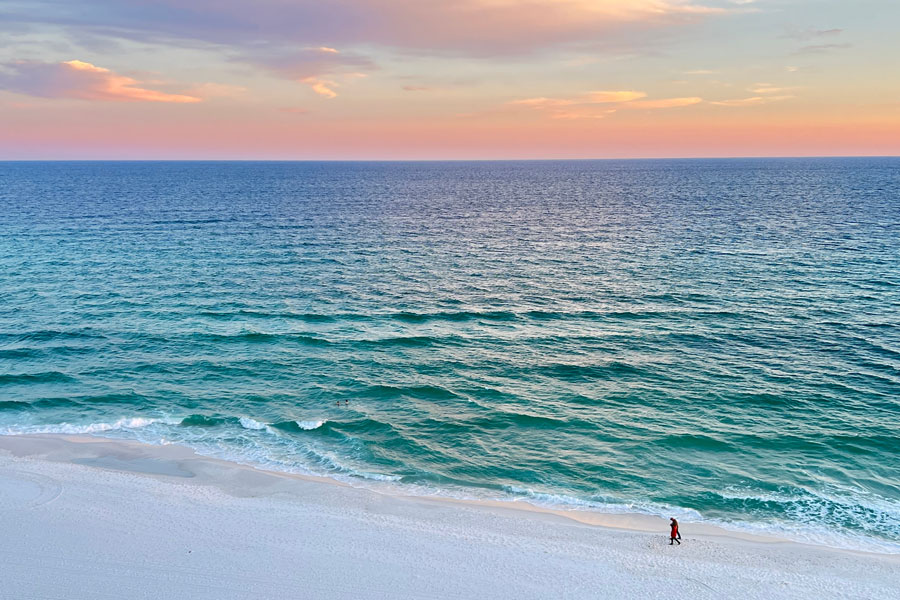
In the Tampa Bay region, Clearwater Beach is among the best-known beach destinations, with hotels, restaurants, boating excursions, Pier 60, and extensive public shoreline. Nearby Honeymoon Island and Caladesi Island provide a more natural setting, while St. Pete Beach, Treasure Island, Madeira Beach, Indian Rocks Beach, and Pass-a-Grille offer additional choices along the Pinellas County barrier islands.
South of Tampa Bay, Anna Maria Island, Longboat Key, Lido Key, Siesta Key, Casey Key, Venice, and Manasota Key create an almost continuous series of beach and island destinations. Siesta Key is especially well known for pale quartz sand, while Venice has long been associated with fossilized shark teeth that beachcombers commonly search for along the shoreline.
Southwest Florida adds Fort Myers Beach, Sanibel, Captiva, Bonita Beach, Barefoot Beach, Vanderbilt Beach, Naples beaches, Marco Island, and numerous smaller islands. Sanibel and Captiva are particularly associated with shelling, while the Naples and Marco Island areas combine beaches with boating, resorts, restaurants, nature preserves, and access to the Ten Thousand Islands.
- Pass-a-Grille Beach
- Anna Maria Island
- Longboat Key
- Lido Key
- Siesta Key
- Venice Beach
- Fort Myers Beach
- Sanibel Island
- Captiva Island
- Bonita Beach
- Naples beaches
- Marco Island
Attractions, Landmarks, and Things To Do
The enormous size of Florida’s Gulf Coast gives visitors access to far more than beaches. Historic districts, aquariums, botanical gardens, museums, amusement parks, fishing harbors, cultural institutions, wildlife centers, waterfront promenades, professional sports venues, and preserved natural areas are distributed throughout the region.
Pensacola combines beach tourism with one of Florida’s deepest colonial and military histories. Visitors can explore historic areas, museums, waterfront districts, and attractions connected to naval aviation and the city’s long association with the U.S. Navy. The surrounding coastline adds beaches, fishing, boating, state parks, and the protected barrier islands of Gulf Islands National Seashore.
Destin is closely associated with recreational fishing and harbor activity. Destin Harbor and HarborWalk Village provide access to charter boats, dolphin cruises, restaurants, watersports, shopping, and entertainment, while nearby beaches and state parks offer a quieter alternative to the busy harbor district.
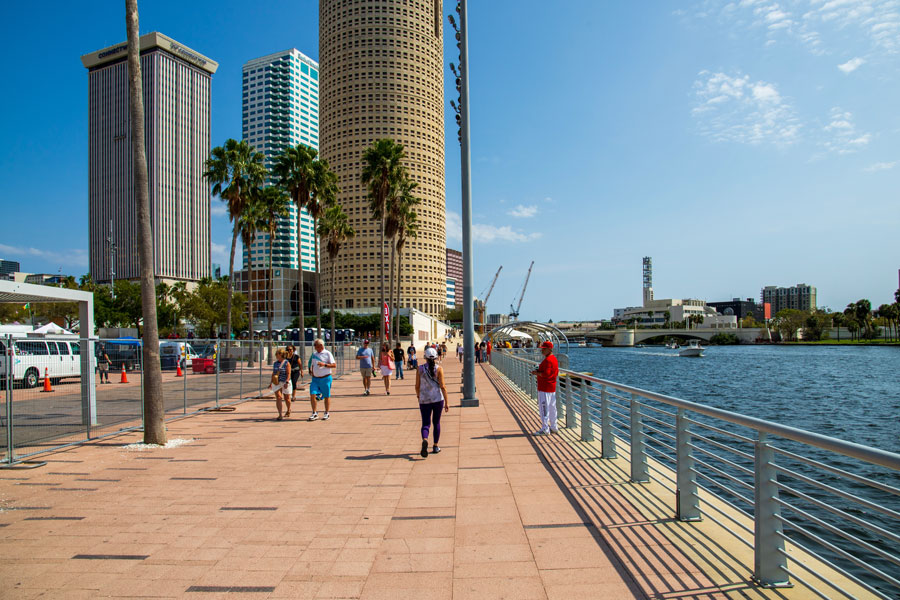
In the Tampa Bay area, Tampa offers Busch Gardens Tampa Bay, The Florida Aquarium, ZooTampa, historic Ybor City, the Tampa Riverwalk, museums, professional sports, and waterfront entertainment districts. Across the bay, St. Petersburg is known for museums, galleries, downtown parks, the St. Pete Pier, restaurants, and access to Gulf beaches. Clearwater adds beach attractions, boating excursions, waterfront recreation, and Pier 60.
Sarasota is one of Florida’s strongest cultural destinations outside the largest metropolitan areas, combining beaches with museums, gardens, performing arts, shopping, marine attractions, and waterfront destinations. Nearby barrier islands such as Lido Key and Siesta Key allow visitors to move easily between cultural activities and beach recreation during the same trip.
Farther south, Fort Myers, Sanibel, Bonita Springs, and Naples offer historic homes, gardens, wildlife centers, shopping districts, shelling beaches, art museums, botanical attractions, boat tours, and access to some of Florida’s largest protected natural areas.
Nature, Parks, and Outdoor Recreation
Nature is one of the Gulf Coast’s greatest attractions. The region includes coastal dune systems, barrier islands, pine forests, springs, rivers, salt marshes, mangrove forests, seagrass beds, estuaries, bays, tidal creeks, wildlife refuges, state parks, and remote islands accessible primarily by boat.
Northwest Florida protects large areas of coastal habitat through places such as Gulf Islands National Seashore, Henderson Beach State Park, Grayton Beach State Park, St. Andrews State Park, St. Joseph Peninsula State Park, and St. George Island State Park. These areas give visitors opportunities for swimming, hiking, fishing, paddling, bird watching, camping, photography, and exploring some of the Panhandle’s least-developed shorelines.
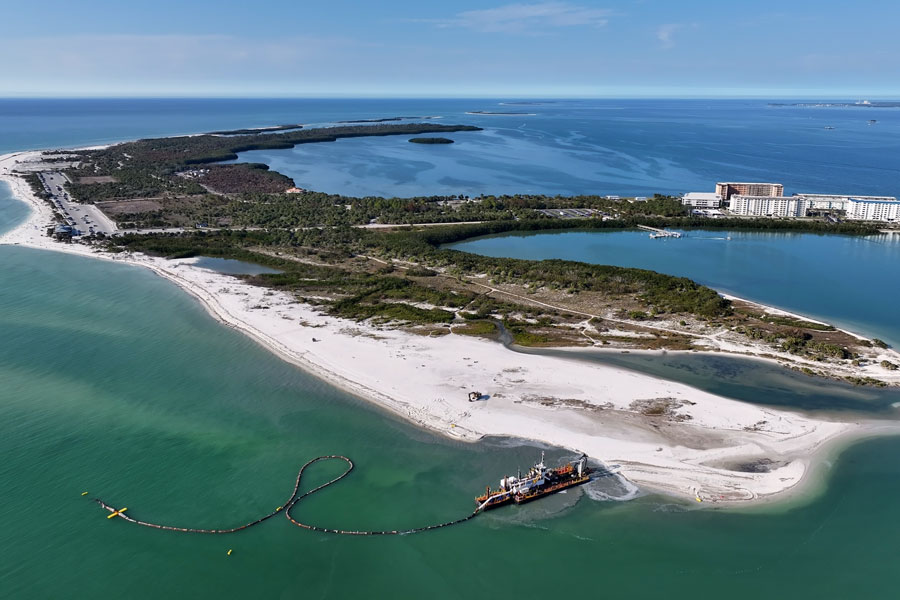
The Nature Coast is especially important for wildlife and spring-fed waterways. Crystal River and Homosassa are strongly associated with manatees, while rivers and springs throughout the region support kayaking, fishing, snorkeling, birding, and nature tours. Coastal marshes and estuaries provide habitat for fish, shorebirds, dolphins, manatees, and other native wildlife.
Near Tampa Bay, Honeymoon Island State Park and Caladesi Island State Park protect beaches and island habitats close to heavily developed urban areas. Caladesi remains one of the region’s distinctive natural islands, while Honeymoon Island offers beaches, trails, wildlife watching, shelling, swimming, and ferry access to Caladesi.
Southwest Florida contains extensive mangrove estuaries and protected coastal lands. Lovers Key State Park near Fort Myers Beach preserves barrier island habitat, beaches, canals, lagoons, and wildlife areas. Cayo Costa State Park protects a largely undeveloped Gulf island, while farther south the Ten Thousand Islands and Everglades create a vast network of mangrove shorelines, islands, waterways, and wildlife habitat.
Fishing, Boating, and Life on the Water
Few activities are more closely connected to Florida’s Gulf Coast than fishing and boating. Deepwater charter fishing, backwater fishing, flats fishing, pier fishing, surf fishing, kayaking, sailing, paddleboarding, jet skiing, dolphin cruises, sunset cruises, and recreational boating are available throughout much of the coastline.
Destin has one of Florida’s strongest fishing identities and has long promoted itself as a major charter fishing destination. Boats leave Destin Harbor for offshore trips, while nearby bays and coastal waters support additional fishing opportunities for anglers targeting a wide variety of species.
Fishing villages and working waterfronts also remain part of the culture in places such as Apalachicola, Cedar Key, Cortez, Tarpon Springs, and communities around Charlotte Harbor. Although tourism has changed many Gulf Coast communities, commercial seafood, marinas, charter fleets, boatyards, and local fishing traditions continue to shape the identity of the region.
Southwest Florida is especially suited to shallow-water boating and paddling. Pine Island Sound, Estero Bay, Charlotte Harbor, Rookery Bay, the Ten Thousand Islands, and countless mangrove creeks provide opportunities for kayakers and smaller boats to explore protected waters away from the open Gulf.
Shopping, Dining, and Entertainment
Shopping and dining along Florida’s Gulf Coast range from casual seafood shacks and fishing village markets to large entertainment districts, luxury shopping centers, waterfront restaurants, resort dining, breweries, galleries, and walkable downtown districts.
Seafood is naturally a major part of Gulf Coast dining. Grouper, snapper, shrimp, oysters, stone crab, scallops, and other seafood appear on menus throughout the region, with local specialties varying by destination and season. Apalachicola is historically associated with oysters, Tarpon Springs with Greek cuisine and its sponge-diving heritage, and Southwest Florida with stone crab, grouper, tropical flavors, and waterfront dining.
In Northwest Florida, Destin Harbor, HarborWalk Village, Pier Park in Panama City Beach, and beach communities along Scenic Highway 30A provide restaurants, shops, bars, galleries, and seasonal entertainment. These districts are particularly active during spring, summer, holiday weekends, and major local events.
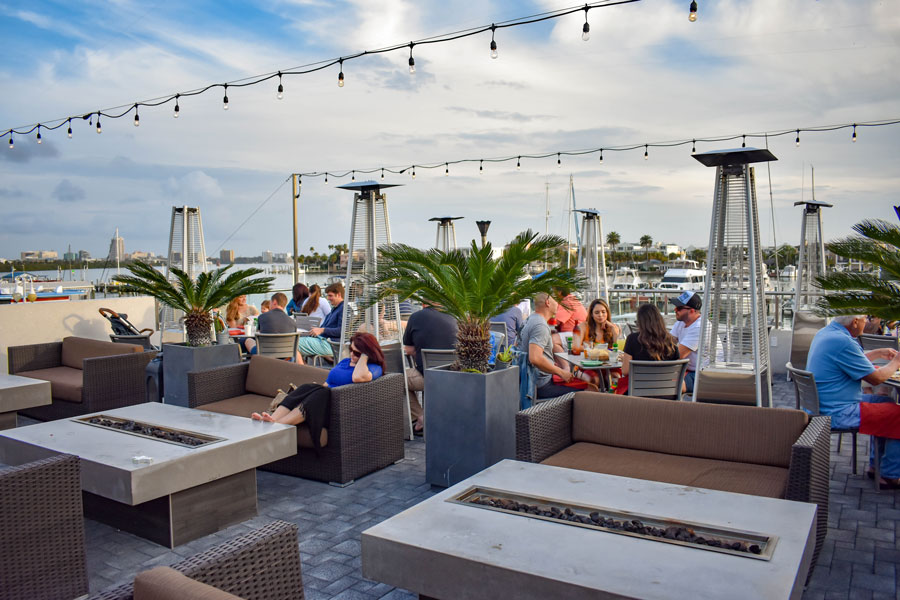
The Tampa Bay region offers one of the Gulf Coast’s largest concentrations of restaurants, nightlife, shopping, sports, and entertainment. Downtown Tampa, Water Street Tampa, Ybor City, the Tampa Riverwalk, downtown St. Petersburg, Clearwater Beach, and surrounding districts provide options ranging from casual local restaurants to major entertainment venues and upscale dining.
Sarasota combines downtown restaurants and galleries with shopping and dining around St. Armands Circle and nearby barrier islands. Farther south, Fort Myers, Bonita Springs, and Naples offer waterfront restaurants, shopping districts, outlet centers, resort dining, art galleries, entertainment complexes, and walkable commercial districts.
Arts, Culture, and History
Florida’s Gulf Coast has been shaped by Indigenous cultures, Spanish exploration, military history, fishing and maritime industries, agriculture, Cuban and Caribbean influences, immigration, tourism, and more than a century of coastal development. The result is a region with cultural traditions that vary substantially from one end of the coast to the other.
Pensacola is among the most historically significant cities on the Gulf Coast. The area was the site of an early Spanish settlement attempt in 1559 and later developed under a succession of European and American governments. Historic buildings, museums, military sites, and cultural institutions help tell that story today.
Apalachicola and other smaller Panhandle communities preserve another side of Gulf Coast history through historic homes, commercial districts, waterfront buildings, seafood industries, and maritime traditions. Cedar Key similarly retains elements of Old Florida coastal character that contrast sharply with the larger resort cities farther south.
Tarpon Springs developed a distinctive Greek cultural identity through the sponge-diving industry, and its Sponge Docks remain one of the central Gulf Coast’s most recognizable historic districts. Visitors find Greek restaurants, bakeries, shops, boat tours, festivals, and cultural traditions closely tied to generations of Greek-American residents.
Tampa has a particularly rich immigrant and industrial history. Ybor City became internationally known for cigar manufacturing and was shaped by Cuban, Spanish, Italian, and other immigrant communities. Today the district remains one of Florida’s most distinctive historic neighborhoods.
Sarasota is strongly associated with the arts, circus history, museums, performing arts, architecture, galleries, and cultural institutions. In Southwest Florida, Fort Myers preserves the winter estates of Thomas Edison and Henry Ford, while Naples has developed a significant arts and cultural scene alongside its resort identity.
Airports and Transportation
Because Florida’s Gulf Coast extends across much of the state, transportation options vary greatly by destination. Most visitors use a combination of interstate highways, major U.S. routes, local roads, bridges, airports, ferries, marinas, and rental cars. A vehicle is particularly useful when exploring barrier islands, state parks, smaller coastal towns, and destinations spread beyond major downtown areas.
Interstate 10 provides the main east-west highway connection across Northwest Florida, with routes leading south toward Pensacola Beach, Destin, Panama City Beach, and other coastal communities. U.S. 98 is especially important along the Panhandle and Big Bend, connecting many beach communities and smaller coastal towns.
Interstate 75 becomes the primary north-south highway for much of Florida’s central and southern Gulf side, serving the Tampa Bay region, Sarasota-Bradenton area, Charlotte County, Fort Myers, Estero, Bonita Springs, and Naples. Interstate 275 serves Tampa and St. Petersburg and crosses Tampa Bay by bridge.
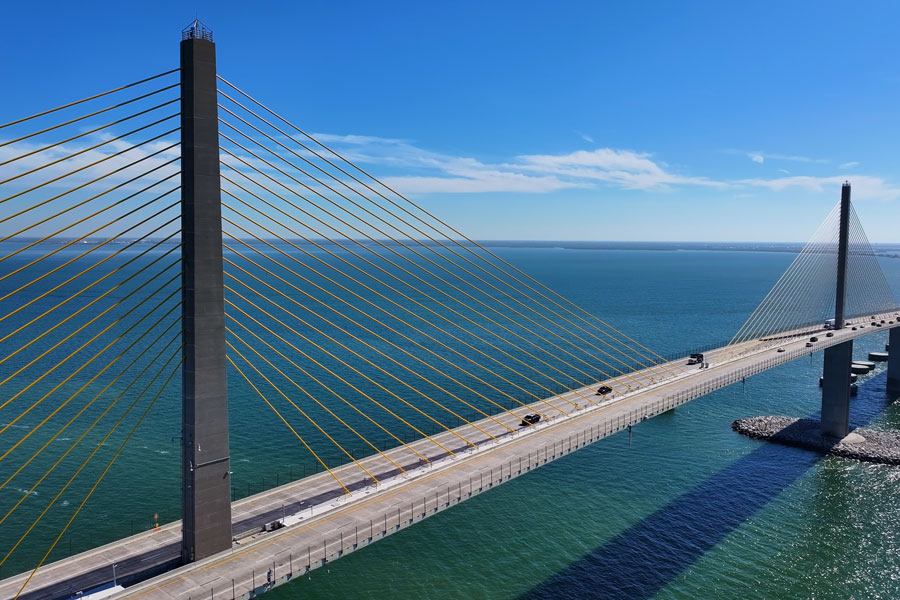
Major commercial airports serving Gulf Coast travelers include Pensacola International Airport, Destin-Fort Walton Beach Airport, Northwest Florida Beaches International Airport, Tampa International Airport, St. Pete-Clearwater International Airport, Sarasota Bradenton International Airport, Punta Gorda Airport, and Southwest Florida International Airport. Travelers visiting individual destinations should compare airport location, flight availability, rental car costs, and ground transportation before choosing where to arrive.
Bridges and causeways are an important part of Gulf Coast transportation because many popular destinations are located on barrier islands. Travelers may cross bridges to reach Pensacola Beach, Okaloosa Island, Clearwater Beach, St. Pete Beach, Anna Maria Island, Longboat Key, Siesta Key, Sanibel, Fort Myers Beach, and Marco Island. Traffic can become heavy during holidays, beach weekends, spring break periods, special events, and the winter visitor season.
- Interstate 10
- Interstate 75
- Interstate 275
- U.S. Route 98
- U.S. Route 19
- Sunshine Skyway Bridge
- Barrier island causeways
- Regional marinas and ferries
Florida Gulf Coast for Families
Families can find an unusually wide range of experiences along Florida’s Gulf Coast, including beaches, aquariums, zoos, amusement parks, museums, dolphin cruises, fishing trips, wildlife centers, state parks, children’s museums, botanical gardens, shelling beaches, water sports, and walkable waterfront districts.
Northwest Florida is particularly popular for traditional beach vacations. Destin, Fort Walton Beach, and Panama City Beach combine easy beach access with boating excursions, mini golf, entertainment areas, fishing, family restaurants, and attractions designed around the region’s large visitor population.
The Tampa Bay area offers some of the Gulf Coast’s largest family attractions. Tampa provides access to Busch Gardens Tampa Bay, The Florida Aquarium, ZooTampa, museums, parks, and waterfront areas. Clearwater and St. Petersburg add beaches, marine attractions, piers, parks, and boating experiences.
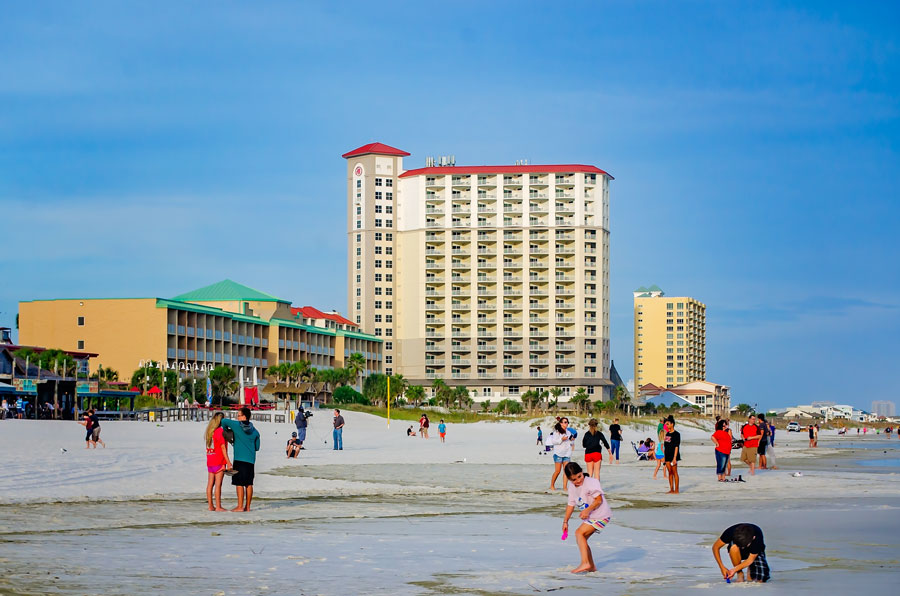
In the Sarasota area, families can combine Siesta Key and other beaches with museums, gardens, nature areas, and outdoor activities. Southwest Florida offers shelling on Sanibel, kayaking through mangroves, wildlife watching, beach parks, Naples Zoo, boat tours, and opportunities to explore protected coastal ecosystems.
Wildlife can be one of the most memorable parts of a family Gulf Coast trip. Depending on location and season, visitors may see dolphins, manatees, sea turtles, pelicans, osprey, herons, egrets, shorebirds, rays, fish, and other native wildlife. Families should observe animals from a respectful distance and follow posted rules in parks, refuges, nesting areas, and waterways.
- Gulf Coast beaches
- Dolphin cruises
- Fishing excursions
- State parks
- The Florida Aquarium
- ZooTampa
- Busch Gardens Tampa Bay
- St. Pete Pier
- Shelling on Sanibel
- Kayaking and paddleboarding
- Wildlife watching
- Naples Zoo
- Botanical gardens
- Nature centers
- Boat tours
- Family beach parks
Sports and Events
Florida’s Gulf Coast hosts professional sports, spring training baseball, fishing tournaments, boat shows, seafood festivals, art festivals, concerts, parades, cultural celebrations, beach events, and community festivals throughout the year. The size of the region means there is almost always some type of major event occurring somewhere along the coast.
The Tampa Bay area has the Gulf Coast’s largest professional sports presence. The region is home to major league football, hockey, baseball, and soccer, along with college sports, motorsports events, golf tournaments, and other competitions. Tampa and St. Petersburg also host large conventions, festivals, concerts, and waterfront events.
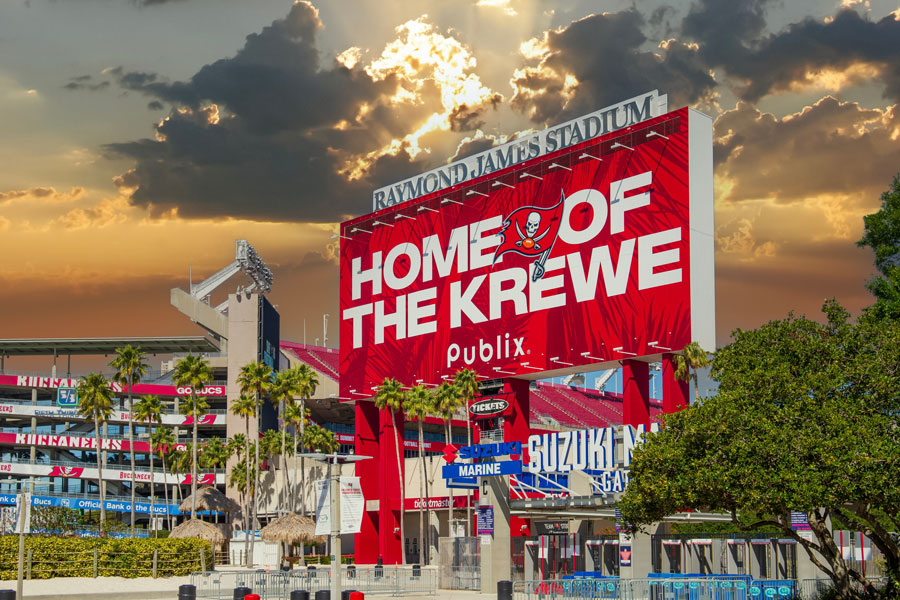
Spring training baseball is particularly important along the central and southern Gulf Coast. Teams train in communities around the Tampa Bay area, Bradenton, Sarasota, Fort Myers, and other parts of western Florida, bringing baseball fans to the region during February and March.
Fishing tournaments are another longstanding Gulf Coast tradition. Destin, Tampa Bay, Sarasota, Charlotte Harbor, Fort Myers, Naples, and smaller fishing communities host competitive and recreational events centered on offshore fishing, inshore species, tarpon, and other game fish. Local calendars also feature seafood festivals, boat shows, arts events, farmers markets, holiday celebrations, music festivals, and waterfront gatherings.
When To Visit Florida’s Gulf Coast
Florida’s Gulf Coast can be visited year-round, but weather and visitor patterns vary substantially between Northwest Florida and the southern Gulf Coast. Winter weather in the Panhandle can be cool, while Southwest Florida often experiences mild temperatures that attract large numbers of seasonal residents and visitors.
Late spring and summer are major beach seasons across Northwest Florida, with warm water, long daylight hours, and busy resort communities. Summer throughout the Gulf Coast also brings high temperatures, humidity, strong sun, and frequent afternoon thunderstorms. Visitors planning outdoor activities often find mornings and evenings more comfortable than the hottest part of the afternoon.
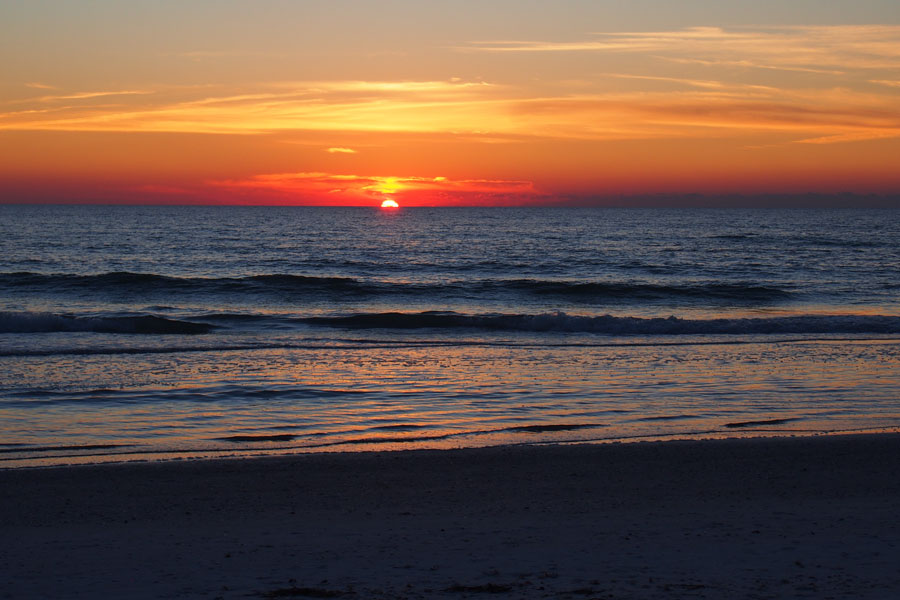
Winter and early spring are especially popular from Tampa Bay south through Sarasota, Fort Myers, Naples, and Marco Island. Lower humidity and generally comfortable temperatures make this a strong period for beaches, fishing, boating, golf, festivals, outdoor dining, wildlife viewing, and walking through downtown districts. It is also one of the busiest seasons, particularly in Southwest Florida.
Spring break can bring significant crowds to certain beach communities, while summer holidays and special events may create heavy traffic around bridges, islands, public beach parking areas, and resort districts. Travelers looking for quieter conditions may prefer shoulder periods outside major holidays and school vacation weeks.
Hurricane season runs from June through November. Tropical weather can affect any portion of Florida’s Gulf Coast, and conditions can change rapidly. Travelers visiting during this period should monitor forecasts, understand cancellation policies, and follow instructions from local emergency officials when severe weather threatens.
Wildlife Along the Gulf Coast
Florida’s Gulf Coast supports an extraordinary range of wildlife because its shoreline includes beaches, barrier islands, salt marshes, springs, rivers, mangrove forests, estuaries, bays, seagrass beds, pine forests, and offshore waters. Wildlife viewing can be part of almost any Gulf Coast trip.
Dolphins are commonly associated with Gulf Coast waters and are frequently seen from beaches, bridges, boats, and waterfront parks. Manatees inhabit many rivers, springs, bays, and coastal waterways, with areas around Crystal River and Homosassa among the best-known destinations for observing them.
Sea turtles nest on many Gulf beaches during the warmer months. Shorebirds and seabirds are also common, including pelicans, gulls, terns, ospreys, herons, egrets, roseate spoonbills, and numerous migratory species. Protected parks and refuges are particularly valuable for bird watching and wildlife photography.
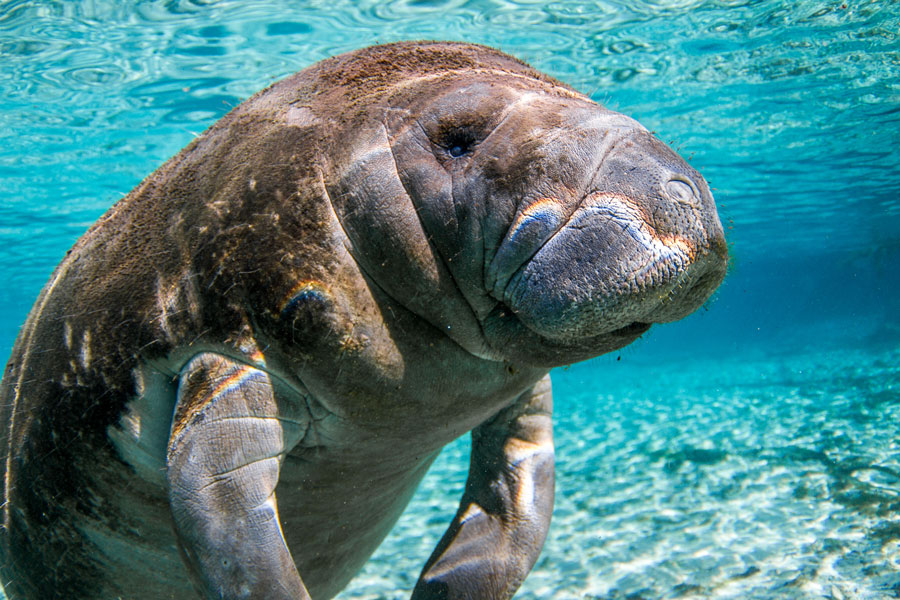
Visitors should avoid feeding or disturbing wildlife, keep appropriate distances, obey boating speed zones, protect nesting areas, and never remove living shells or animals where regulations prohibit it. Responsible wildlife viewing helps preserve the ecosystems that make the Gulf Coast such an important natural destination.
Regional Character From North to South
Traveling the entire Florida Gulf Coast reveals several very different versions of the state. The Panhandle combines Southern influences, military communities, resort beaches, pine forests, coastal dunes, and small historic towns. Its white-sand shoreline can look dramatically different from the mangrove coast hundreds of miles farther south.
The Big Bend and Nature Coast feel less urban and more closely connected to marshes, springs, fishing, wildlife, and working waterfronts. Communities such as Cedar Key, Steinhatchee, and Crystal River are generally smaller, and portions of the shoreline remain comparatively undeveloped.
Tampa Bay marks a major transition into metropolitan Florida. Here visitors encounter skyscrapers, major airports, sports stadiums, entertainment districts, historic neighborhoods, large residential communities, and busy transportation corridors alongside beaches, bays, parks, and coastal wildlife areas.
The Sarasota-Bradenton area blends cultural attractions and urban amenities with a chain of highly developed and residential barrier islands. Farther south, Charlotte Harbor, Fort Myers, Sanibel, Naples, and Marco Island take on a more subtropical appearance, with palms, mangroves, broad estuaries, shelling beaches, golf communities, and waterways extending toward the Everglades.
Vicinity of Florida’s Gulf Coast
Additional Details
Florida’s Gulf Coast is not one city, county, or formally defined tourism district. It is a broad geographic description that can encompass much of Florida’s western coastline. Different portions are commonly identified by regional names such as the Emerald Coast, Forgotten Coast, Nature Coast, Tampa Bay area, Sarasota-Bradenton area, and Southwest Florida.
Because of its enormous size, travelers will generally get more from a Gulf Coast vacation by choosing a smaller section rather than attempting to cover the entire shoreline on one trip. Northwest Florida works well for travelers seeking white-sand beaches, fishing, and resort communities. The Big Bend and Nature Coast appeal to visitors interested in wildlife, springs, fishing towns, and quieter landscapes. Tampa Bay is best suited for combining beaches with major-city attractions, sports, museums, restaurants, and entertainment.
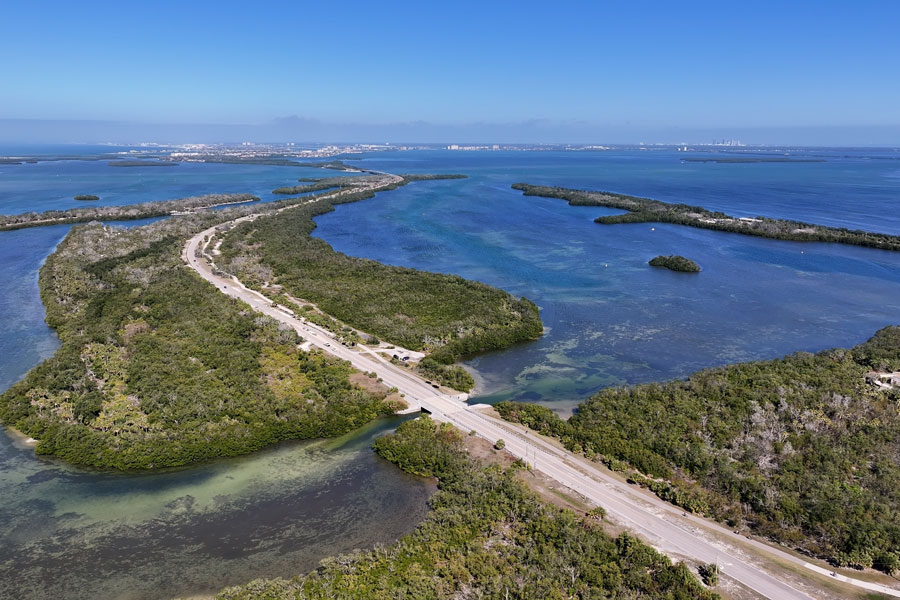
Travelers looking for beaches combined with arts, shopping, and cultural attractions may prefer Sarasota and the surrounding islands. Visitors interested in shelling, mangrove waterways, boating, wildlife, tropical scenery, and winter warmth may gravitate toward Fort Myers, Sanibel, Bonita Springs, Naples, Marco Island, and the southern Gulf Coast.
Driving distances can be considerable. Pensacola and Naples sit at opposite ends of a coastline that passes through numerous distinct tourism regions and communities. Travelers planning a Gulf Coast road trip should allow enough time to explore individual destinations rather than viewing the route simply as transportation between major cities.
Visitors should also remember that barrier island access, beach conditions, park facilities, boat service, wildlife regulations, road conditions, and storm recovery can change. Checking current conditions before visiting remote islands, state parks, beaches, ferries, boat ramps, and coastal attractions is especially important.
What ultimately defines Florida’s Gulf Coast is its variety. A single regional trip can include walking through historic Pensacola, fishing from Destin, exploring dunes near Panama City Beach, watching wildlife along the Nature Coast, visiting museums and restaurants in Tampa and St. Petersburg, relaxing on Siesta Key, collecting shells along Southwest Florida beaches, and traveling by boat through mangrove islands near the Everglades.
From Panhandle beaches and historic fishing towns to major waterfront cities, barrier islands, wildlife refuges, and subtropical Southwest Florida, the Gulf Coast offers one of the widest ranges of travel experiences anywhere in the state. Whether the goal is a family beach vacation, fishing trip, cultural getaway, boating adventure, nature excursion, road trip, or quiet waterfront escape, Florida’s Gulf Coast provides hundreds of miles of destinations to explore.