Lake Worth Lagoon
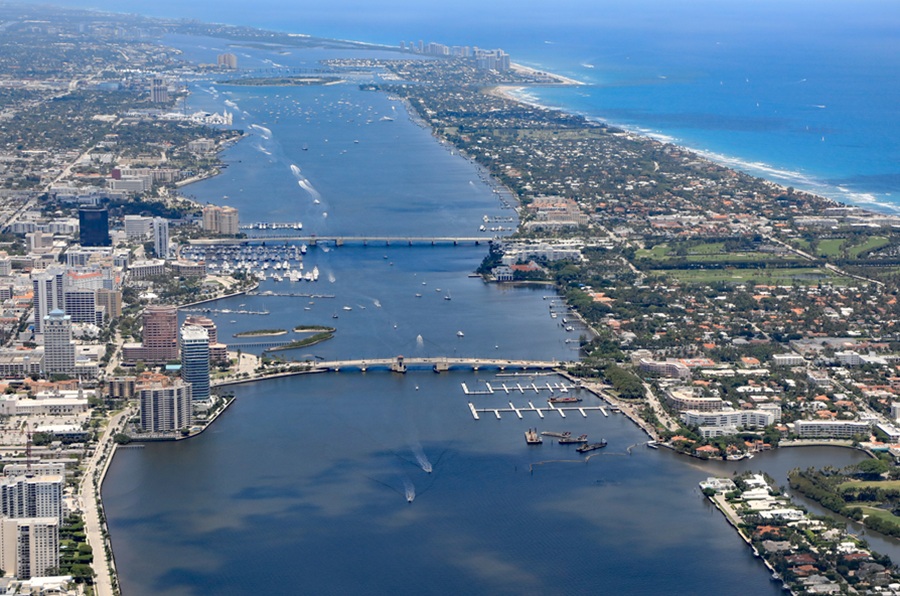
Lake Worth Lagoon is a 20-mile tidal estuary extending through the heart of Palm Beach County from North Palm Beach south toward Ocean Ridge. Bordered by waterfront cities, barrier islands, marinas, parks, residential communities, and natural areas, the lagoon is one of the defining geographic features of the Palm Beaches. Its waters support boating, fishing, paddling, wildlife viewing, snorkeling, waterfront recreation, and an important collection of mangrove, seagrass, oyster reef, and shallow-water habitats.
Geographic and Ecological Significance
- Location and Size:
Lake Worth Lagoon extends approximately 20 miles through eastern Palm Beach County and borders 13 municipalities. Communities along or immediately beside the lagoon include Riviera Beach, West Palm Beach, Palm Beach, Lake Worth Beach, Boynton Beach, North Palm Beach, and Ocean Ridge. - A Tidal Estuary:
Although its name still includes the word “Lake,” Lake Worth Lagoon is now an estuary where saltwater entering from the Atlantic mixes with freshwater from canals and local drainage. Tides move through the lagoon from the Lake Worth Inlet near Palm Beach and Riviera Beach and the South Lake Worth Inlet, commonly known as the Boynton Inlet. - Part of the Intracoastal Waterway:
The federally maintained Intracoastal Waterway follows the lagoon, making this an important navigation corridor for recreational boats, commercial vessels, fishing boats, yachts, and vessels traveling along Florida’s Atlantic coast. - Wildlife Habitat:
The lagoon supports an unusually diverse collection of coastal wildlife. Palm Beach County has documented more than 250 species of fish and more than 100 species of birds using the estuary. Manatees, juvenile green sea turtles, snook, bonefish, shorebirds, wading birds, oysters, mangroves, and seagrasses are among the many organisms associated with the lagoon.
Recreational Opportunities
Because Lake Worth Lagoon passes through some of Palm Beach County’s most active waterfront communities, visitors can experience it in many different ways, from urban waterfront walks to snorkeling, boating, fishing, and paddling.
- Boating:
- Marinas, boat ramps, docks, and navigable channels provide access throughout much of the lagoon. The Intracoastal channel passes directly through the waterway, while the two ocean inlets connect local boaters with the Atlantic.
- Popular boating areas include the waters near Riviera Beach, Palm Beach, West Palm Beach, Lake Worth Beach, and Boynton Beach. Boaters should watch bridge schedules, tides, marked channels, no-wake zones, and shallow areas.
- Fishing:
- The lagoon supports a wide variety of inshore fish and provides nursery habitat for many species. Anglers fish from boats, bridges, seawalls, docks, and designated public areas throughout the lagoon.
- Fishing conditions and species vary by location, tide, season, salinity, and proximity to the Atlantic inlets. Florida fishing license and harvest regulations may apply.
- Kayaking and Paddleboarding:
- Sheltered coves, mangrove shorelines, restored natural areas, and calmer sections of the lagoon provide opportunities for kayaking and paddleboarding. Launch locations and conditions vary considerably along the 20-mile waterway.
- Snorkeling and Swimming:
- The northern lagoon near the Lake Worth Inlet can receive clear Atlantic water during favorable tides. Peanut Island is particularly popular for snorkeling and swimming, while nearby Phil Foster Park is known for its underwater snorkeling trail near the Blue Heron Bridge.
- Wildlife Viewing:
- Manatees, sea turtles, pelicans, herons, egrets, ospreys, shorebirds, rays, and numerous fish species may be observed in different portions of the lagoon. Manatee Lagoon in Riviera Beach offers exhibits and waterfront viewing focused on manatees and the Lake Worth Lagoon ecosystem.
- Waterfront Walking and Cycling:
- Visitors do not need a boat to enjoy the lagoon. The West Palm Beach Waterfront offers broad lagoon views from the mainland, while the Palm Beach Lake Trail follows the opposite shore through Palm Beach.
Environmental Restoration and Conservation
Lake Worth Lagoon is often described as an urban estuary because much of its shoreline is surrounded by developed communities, roads, seawalls, marinas, ports, homes, and businesses. Palm Beach County reports that roughly 70 percent of the lagoon’s natural shoreline has been hardened or altered. Dredging, filling, stormwater runoff, freshwater discharges, shoreline development, and the loss of mangrove and seagrass habitat have all affected the estuary over time.
- Habitat Restoration:
Palm Beach County Environmental Resources Management and partner agencies have carried out dozens of restoration projects throughout the lagoon. More than 250 acres of habitat have been restored or created, including mangroves, salt marshes, seagrass areas, oyster reefs, tidal flats, and shorebird nesting habitat. - Snook Islands Natural Area:
Along the shoreline of Lake Worth Beach, the Snook Islands restoration project created mangrove, oyster reef, salt marsh, and seagrass habitat. Public amenities include a boardwalk, kayak launch, fishing access, and wildlife viewing near Bryant Park. - South Cove Natural Area:
Near the West Palm Beach Waterfront, restoration work transformed a degraded section of the lagoon into mangrove islands, oyster habitat, wetlands, and seagrass areas. A public boardwalk extends from Flagler Drive into the restored habitat. - Peanut Island:
Peanut Island, originally created from dredged material near the Lake Worth Inlet, has become one of the lagoon’s most familiar recreation and habitat restoration success stories. Today it combines beaches, snorkeling, boating, camping, walking paths, and restored native habitat. - Water Quality Improvements:
Restoration programs also address stormwater runoff, septic systems, sediment, freshwater discharges, and other factors that can affect lagoon water quality. Conditions can differ substantially from one portion of the lagoon to another and may change with rainfall, tides, canal discharges, and seasonal weather.
Historical Transformation of Lake Worth Lagoon
The lagoon visitors see today is very different from the waterbody that existed before modern settlement. Lake Worth was historically a freshwater lake separated from the Atlantic Ocean by the barrier island now occupied by communities including Palm Beach and Singer Island. Human alterations gradually transformed it into the tidal estuary that exists today.
- 1877:
Pioneer Augustus Lang created an early inlet connecting Lake Worth with the Atlantic Ocean. - 1912:
Construction of the Intracoastal Waterway through Palm Beach County was completed, further altering navigation and water movement through the area. - 1915:
The Lake Worth Inlet was excavated near the northern end of the lagoon. Material dredged during inlet construction helped create what became Peanut Island. - 1917:
The South Lake Worth Inlet, now commonly called the Boynton Inlet, was created. The two permanent ocean connections completed the transformation of Lake Worth from a largely freshwater lake into a saltwater-influenced estuary. - 1925:
The West Palm Beach Canal was dredged, creating an additional freshwater connection between inland portions of South Florida and the lagoon.
Communities Along the Lagoon
Lake Worth Lagoon passes through one of the most heavily populated portions of Palm Beach County, giving different sections of the waterway very different characters.
- Riviera Beach:
Riviera Beach occupies part of the northern lagoon near the Lake Worth Inlet, Port of Palm Beach, Peanut Island, Singer Island, Phil Foster Park, and Manatee Lagoon. This section is especially active with boating, snorkeling, fishing, and commercial maritime traffic. - West Palm Beach and Palm Beach:
West Palm Beach faces Palm Beach across the central lagoon. Visitors can experience both sides from the West Palm Beach Waterfront, Downtown West Palm Beach, and the Palm Beach Lake Trail. - Lake Worth Beach:
The lagoon forms the eastern waterfront of Lake Worth Beach, where Bryant Park, the municipal golf course, boat access, and the Snook Islands restoration area provide several ways to experience the estuary. - Boynton Beach and Ocean Ridge:
The southern end of the lagoon reaches the Boynton Beach and Ocean Ridge area near the South Lake Worth Inlet. Boynton Beach provides marina access, boating, fishing, restaurants, and connections to the inlet and nearby Atlantic beaches.
Vicinity of Lake Worth Lagoon
Visitor Amenities
- Waterfront Parks and Walkways:
Parks, promenades, boardwalks, trails, fishing areas, and public waterfront spaces are available at numerous locations along the lagoon. Facilities vary considerably by municipality and park. - Marinas and Boat Ramps:
Public and private marinas, ramps, docks, charter operations, and marine services can be found throughout the lagoon. Slip availability, launching fees, parking, and operating hours vary by location. - Educational Attractions:
Manatee Lagoon provides exhibits about manatees and lagoon ecology, while natural areas and waterfront parks throughout the estuary include interpretive signs explaining wildlife, restoration, and coastal habitats. - Dining and Lodging:
The communities surrounding Lake Worth Lagoon offer everything from casual waterfront restaurants and marina dining to hotels, resorts, vacation accommodations, and downtown entertainment districts.
Tips for Visiting Lake Worth Lagoon
- Choose an Access Point:
Lake Worth Lagoon is about 20 miles long, so there is no single visitor entrance. Decide whether you want boating, snorkeling, paddling, fishing, wildlife viewing, or a waterfront walk, then choose a park, marina, trail, or community that fits the experience. - Check Tides and Weather:
Tides, wind, rainfall, freshwater discharges, and ocean conditions can significantly affect visibility, currents, water level, and boating conditions. This is especially important near the two Atlantic inlets. - Watch for Boat Traffic:
Much of the lagoon is an active navigation corridor. Paddlers, swimmers, and snorkelers should stay in appropriate areas and remain aware of boats, marked channels, bridges, and currents. - Protect Wildlife and Habitat:
Give manatees, sea turtles, nesting birds, and other wildlife plenty of space. Avoid disturbing mangroves, oyster reefs, seagrass beds, and restoration islands, and follow posted slow-speed and wildlife protection zones. - Verify Local Rules:
Parking, boat launching, fishing regulations, park hours, bridge openings, pet policies, and other rules differ by location and may change. Check with the appropriate municipality, county agency, marina, or park before making a special trip.
Why Visit Lake Worth Lagoon?
Lake Worth Lagoon reveals a side of the Palm Beaches that is easy to overlook from land. Within a single 20-mile estuary, visitors can snorkel beside a tropical island, watch manatees in Riviera Beach, paddle past mangroves, fish productive inshore waters, walk the waterfront in West Palm Beach, bicycle beside the lagoon in Palm Beach, and explore restoration projects where wildlife habitat has been rebuilt in the middle of an urban coastline. Its combination of natural history, maritime activity, recreation, wildlife, and waterfront communities makes Lake Worth Lagoon one of the most distinctive waterways in South Florida.
For current information about Lake Worth Lagoon ecology, restoration projects, water quality, and natural areas, visit Palm Beach County Environmental Resources Management: Lake Worth Lagoon Estuary  . Information about coordinated restoration and management efforts is available through the Lake Worth Lagoon Initiative .