South Florida
South Florida is one of the most recognizable and heavily visited regions in the state, known for its Atlantic beaches, tropical climate, international culture, boating, shopping, dining, nightlife, historic neighborhoods, and natural attractions. The region generally includes Miami-Dade, Broward, and Palm Beach counties, with many travelers also associating the Florida Keys and Everglades with the broader South Florida experience.
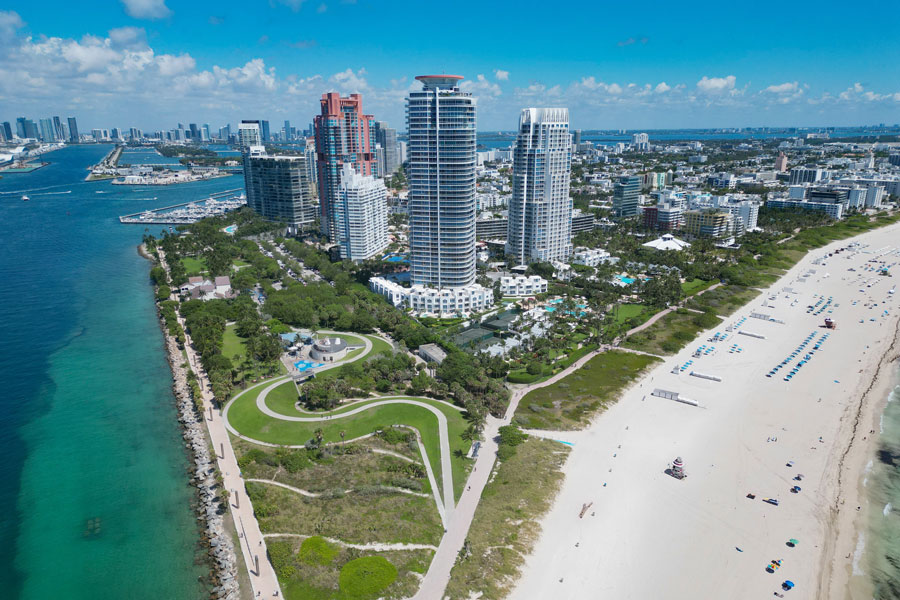
For visitors, South Florida offers a wide variety of destinations within a relatively compact area. A single trip can include the beaches of Miami Beach, the arts and nightlife of Miami, the canals and waterfront dining of Fort Lauderdale, the upscale avenues of Palm Beach, the family attractions of West Palm Beach, and the natural beauty of the Everglades. Each community has its own character, but the region as a whole is tied together by warm weather, coastal scenery, multicultural neighborhoods, and year-round outdoor recreation.
The region is also one of Florida’s most important gateways for travel. Miami International Airport, Fort Lauderdale-Hollywood International Airport, and Palm Beach International Airport connect South Florida with cities across the United States, Latin America, the Caribbean, Europe, and beyond. Cruise ports, marinas, highways, rail connections, and local transit options make the region a major starting point for vacations, business trips, and weekend getaways.
About the Region
South Florida is shaped by both geography and culture. The Atlantic Ocean defines its eastern edge, while the Everglades and inland wetlands create a natural boundary to the west. Between those two landscapes are dense coastal cities, suburban communities, barrier islands, historic downtowns, shopping districts, residential neighborhoods, universities, hospitals, parks, entertainment venues, and major transportation corridors.
Miami-Dade County is the southern anchor of the region and includes Miami, Miami Beach, Coral Gables, Hialeah, Doral, Aventura, North Miami, South Miami, Coconut Grove, and many other cities and neighborhoods. It is one of the most culturally diverse areas in the United States, with strong Cuban, Caribbean, Central American, South American, and international influences.
Broward County sits north of Miami-Dade and is centered around Fort Lauderdale, a city known for beaches, boating, canals, Las Olas Boulevard, Port Everglades, and major events. Broward also includes popular communities such as Hollywood, Pembroke Pines, Weston, Wilton Manors, Pompano Beach, Deerfield Beach, and Sunrise.
Palm Beach County forms the northern part of South Florida and offers a blend of beach towns, luxury destinations, cultural institutions, golf communities, nature areas, and growing inland suburbs. West Palm Beach, Palm Beach, Boca Raton, Delray Beach, Boynton Beach, Wellington, Jupiter, and Palm Beach Gardens are among the county’s most visited communities.
Major Cities and Communities in South Florida
South Florida includes large international cities, historic towns, beach communities, suburban neighborhoods, island villages, and inland residential areas. Many of these destinations are connected by Interstate 95, Florida’s Turnpike, U.S. 1, coastal roadways, and regional airports.
Beaches and Coastal Areas
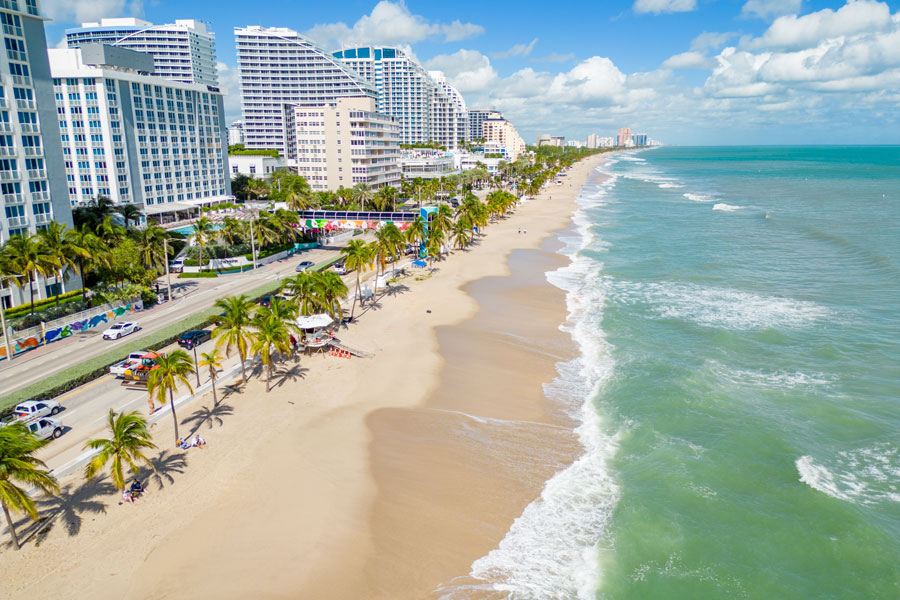
Beaches are one of South Florida’s defining features. The region’s coastline includes energetic urban beaches, quieter residential shorelines, family-friendly beachfront parks, fishing piers, marinas, and scenic waterfront promenades. Beach conditions can vary by season, weather, tide, and surf activity, so visitors should always pay attention to local warnings, lifeguard instructions, and posted beach flags.
South Beach is one of the most famous beach destinations in the world, known for its Art Deco backdrop, oceanfront hotels, restaurants, nightlife, and international atmosphere. Farther north, Miami Beach continues with long sandy stretches, parks, the Miami Beach Boardwalk, and quieter areas that appeal to walkers, cyclists, and beachgoers looking for a slower pace.
In Broward County, Fort Lauderdale Beach offers a classic South Florida beachfront experience with hotels, restaurants, palm-lined sidewalks, and ocean views. Nearby Hollywood Beach Broadwalk is popular for walking, biking, dining, music, and family outings. Palm Beach County adds another layer of coastal variety with Boca Raton, Delray Municipal Beach, Palm Beach Municipal Beach, Juno Beach, Jupiter, and numerous other oceanfront destinations that stretch along the Atlantic coast.
Attractions, Landmarks, and Things To Do
South Florida’s attractions range from world-class museums and historic estates to outdoor preserves, waterfront districts, shopping destinations, family attractions, gardens, casinos, art neighborhoods, and natural landmarks. The region is large enough to support many different travel styles, whether visitors are planning a beach vacation, a cultural weekend, a family trip, a boating excursion, or a luxury getaway.
Miami is known for neighborhoods such as Wynwood, Brickell, Downtown Miami, Coconut Grove, Little Havana, and the Miami Design District. These areas offer murals, galleries, restaurants, nightlife, shopping, waterfront parks, museums, and cultural landmarks. Palm Beach and West Palm Beach provide a different experience, with attractions such as the Flagler Museum, Worth Avenue, West Palm Beach Waterfront, Society of the Four Arts, and the South Florida Science Museum. Broward County adds beaches, boating, entertainment districts, museums, parks, and convenient access to Port Everglades.
Nature, Parks, and Outdoor Recreation
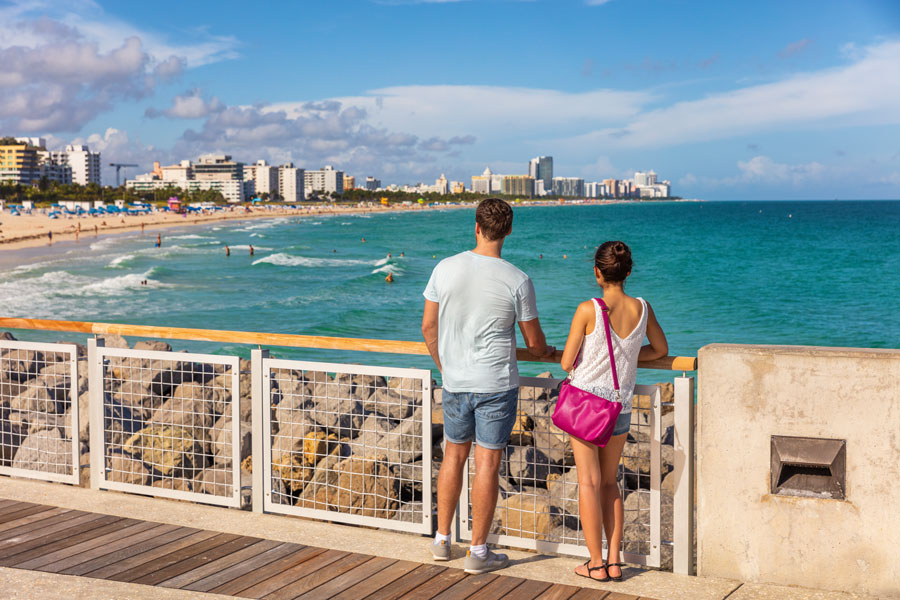
Although South Florida is widely known for its cities and beaches, the region also has an extraordinary amount of natural scenery. The Everglades, Biscayne Bay, coastal mangroves, barrier islands, wetlands, lagoons, coral reefs, rivers, and inland preserves all contribute to the area’s outdoor appeal. Popular destinations include Bill Baggs Cape Florida State Park, Oleta River State Park, Fairchild Tropical Botanic Garden, and the Great Florida Birding Trail. Visitors can explore nature by hiking trails, paddling through mangrove forests, taking airboat rides, visiting wildlife centers, fishing from piers, snorkeling, scuba diving, or boating along the Intracoastal Waterway.
The Everglades National Park remains one of South Florida’s most important natural landmarks. This vast wetland ecosystem supports alligators, wading birds, turtles, fish, orchids, sawgrass marshes, mangrove forests, and countless other native species. Visitors can experience the Everglades in several ways, including the scenic tram route at Shark Valley, airboat excursions from Everglades Holiday Park, and wilderness exploration within Big Cypress National Preserve. Boardwalks, observation towers, scenic drives, hiking trails, paddling routes, and wildlife viewing opportunities provide visitors with numerous ways to experience one of the world’s most unique subtropical ecosystems.
AAlong the coast, Biscayne Bay, Oleta River State Park, Bill Baggs Cape Florida State Park, Hugh Taylor Birch State Park, Peanut Island, Gumbo Limbo Nature Center, Wakodahatchee Wetlands, Green Cay Nature Center & Wetlands, and Jonathan Dickinson State Park offer outstanding opportunities for kayaking, paddleboarding, bird watching, hiking, biking, swimming, fishing, wildlife photography, and exploring South Florida’s diverse coastal ecosystems.
Shopping, Dining, and Entertainment
South Florida is one of the state’s strongest regions for shopping, dining, and nightlife. Visitors can find everything from luxury retail and designer boutiques to outlet malls, local markets, waterfront restaurants, Cuban cafes, seafood spots, nightlife districts, food halls, and neighborhood bakeries. The dining scene is especially broad because of the region’s strong Latin American, Caribbean, Jewish, European, and coastal influences.
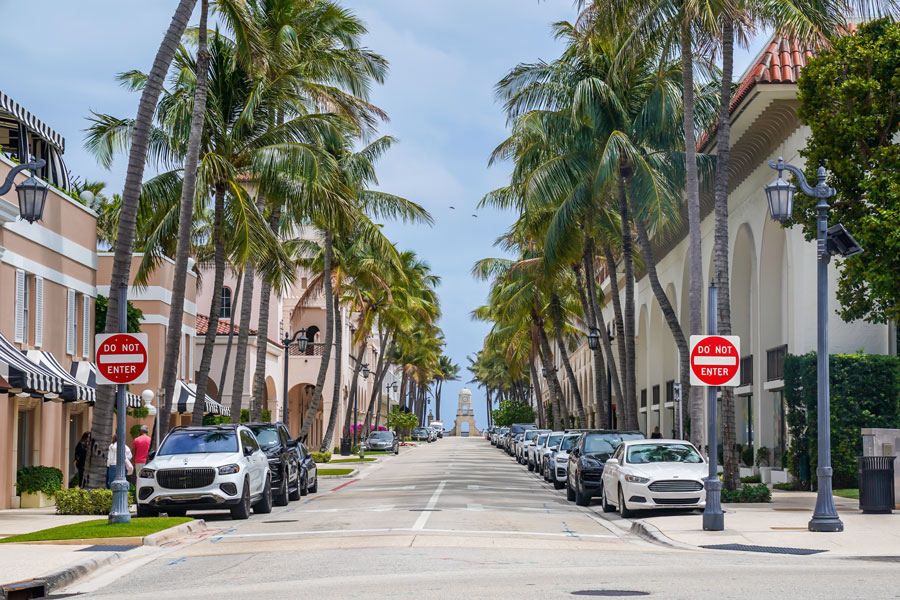
Miami is known for Cuban food in Little Havana, upscale restaurants in Brickell, design-forward dining in the Miami Design District, waterfront restaurants overlooking Biscayne Bay, nightlife along Ocean Drive and South Beach, and international cuisine throughout the city. Fort Lauderdale offers dining and entertainment along Las Olas Boulevard, beachside restaurants, marinas, cocktail lounges, and riverfront venues. Farther north, Palm Beach and West Palm Beach feature destinations such as Worth Avenue, Clematis Street, The Square, the West Palm Beach Waterfront, and a variety of restaurants, arts venues, festivals, and seasonal events.
Shopping destinations in South Florida range from the luxury boutiques of Worth Avenue and Bal Harbour Shops to major retail centers such as Aventura Mall, Town Center at Boca Raton, Dolphin Mall, and Sawgrass Mills. Visitors can also explore shopping and dining districts including the Miami Design District, Lincoln Road, Las Olas Boulevard, Clematis Street, and Atlantic Avenue, where independent boutiques, galleries, cafés, restaurants, and local businesses contribute to the region’s distinctive character.
Arts, Culture, and History
South Florida’s cultural identity is one of its defining characteristics. Miami’s neighborhoods reflect Cuban, Haitian, Colombian, Venezuelan, Nicaraguan, Brazilian, Caribbean, and many other international influences that have shaped the region for generations. Communities such as Little Havana, Little Haiti, Wynwood, Coconut Grove, Coral Gables, and Miami Beach each tell a different part of the region’s story through their architecture, public art, museums, restaurants, festivals, and local traditions. Beyond Miami, destinations such as Palm Beach, West Palm Beach, and Fort Lauderdale contribute their own historic districts, performing arts venues, waterfront neighborhoods, and cultural institutions, making South Florida one of the most diverse regions in the United States.
Architecture also plays a major role in South Florida’s identity. Miami Beach is famous for its Art Deco District, while Coral Gables is known for Mediterranean Revival design, historic entrances, plazas, fountains, and landmarks such as the Biltmore Hotel. Palm Beach is associated with historic estates, resort architecture, Flagler Museum, and The Breakers Palm Beach, while Fort Lauderdale blends beach-town history with modern development, boating culture, and waterfront districts. Museums, galleries, performing arts venues, historic homes, botanical gardens, public murals, and cultural festivals help visitors understand the region beyond its beaches.
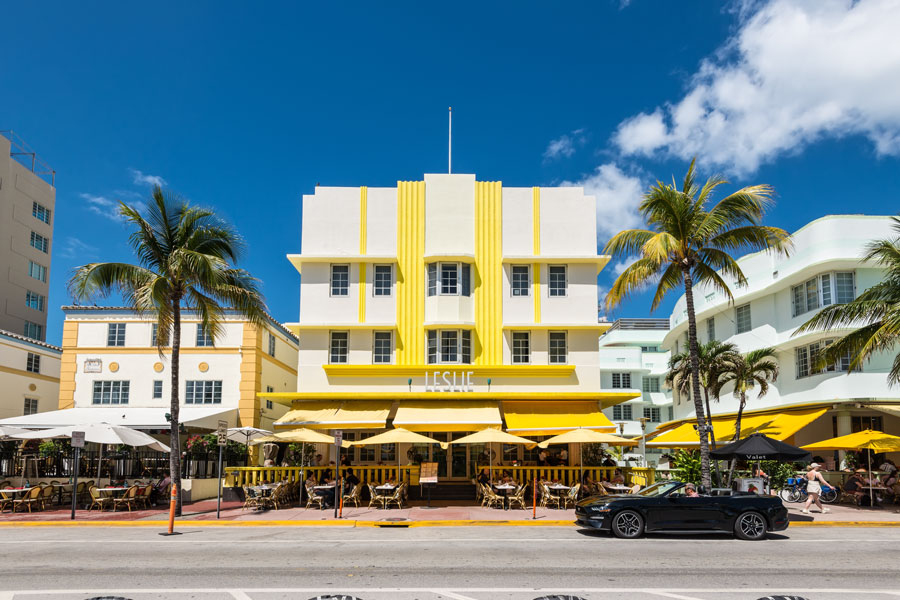
In Palm Beach County, cultural landmarks such as the Flagler Museum, Society of the Four Arts, Norton Museum of Art, and the Kravis Center for the Performing Arts anchor the region’s arts and cultural scene. In Broward County, visitors can explore museums, performing arts venues, historic neighborhoods, riverfront districts such as Las Olas Boulevard, and arts events throughout communities including Fort Lauderdale and Hollywood. In Miami-Dade County, cultural attractions include the Wynwood arts district, the Miami Design District, Little Havana, Coral Gables, world-class museums, historic neighborhoods, and internationally recognized festivals that celebrate the region’s remarkable cultural diversity.
Airports and Transportation
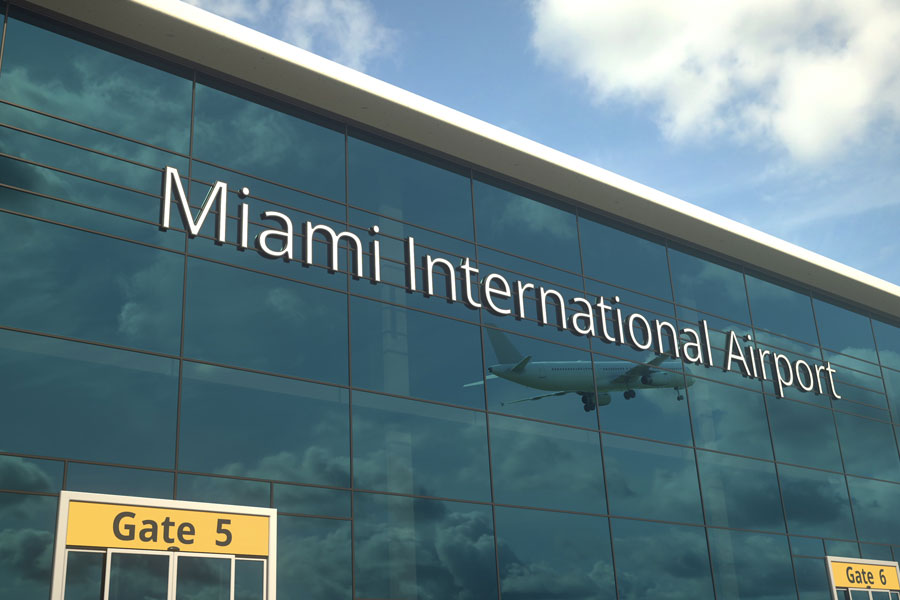
South Florida is served by three major commercial airports, several executive airports, cruise ports, interstate highways, local transit systems, and regional rail. For many visitors, the airport they choose depends on their destination. Miami International Airport is often the best option for travelers visiting Miami, Coral Gables, Coconut Grove, Doral, Little Havana, and the southern portion of the region. Fort Lauderdale-Hollywood International Airport is convenient for Fort Lauderdale, Hollywood, Port Everglades, and much of Broward County. Palm Beach International Airport serves West Palm Beach, Palm Beach, Boca Raton, Jupiter, Wellington, and destinations throughout Palm Beach County.
Driving remains common throughout South Florida, especially for visitors exploring multiple cities or heading to beaches, parks, and attractions outside downtown areas. Traffic can be heavy during rush hour, major events, holidays, cruise days, and peak tourism periods. Visitors planning to move between counties should allow extra travel time, especially along Interstate 95, Florida’s Turnpike, the Palmetto Expressway, and major east-west roads.
South Florida for Families
Families visiting South Florida can choose from beaches, water parks, science museums, zoos, nature centers, aquariums, gardens, parks, boat tours, and family-friendly shopping districts. The region is especially useful for families because many attractions can be paired with beach time, dining, and outdoor recreation in the same day.

In Palm Beach County, family attractions include the Palm Beach Zoo, South Florida Science Center and Aquarium, Rapids Water Park, Mounts Botanical Garden, Manatee Lagoon, Okeeheelee Park, and the South Florida Fairgrounds. Broward County offers Butterfly World, Flamingo Gardens, the Museum of Discovery and Science, Hollywood Beach, Fort Lauderdale Beach, and numerous county parks. In Miami-Dade County, families can explore attractions such as Jungle Island, the Pérez Art Museum Miami, Bayside Marketplace, Bill Baggs Cape Florida State Park, Fairchild Tropical Botanic Garden, and many of the region’s museums, waterfront parks, beaches, gardens, aquariums, and historic neighborhoods.
Sports and Events
South Florida has a major sports and events presence. The region is home to professional teams, college athletics, international soccer, tennis, golf, boating events, equestrian competitions, art fairs, food festivals, concerts, cultural celebrations, and seasonal community events. Stadiums and arenas throughout Miami-Dade, Broward, and Palm Beach counties host events that draw visitors from across Florida and around the world.
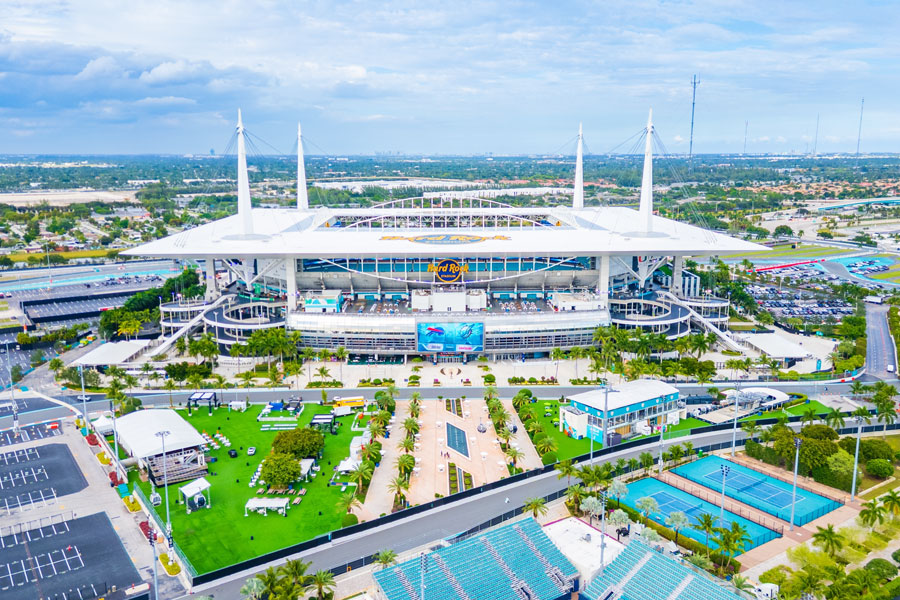
Miami Gardens is home to Hard Rock Stadium, which hosts Miami Dolphins football, major college football games, international soccer matches, concerts, the Miami Open tennis tournament, and other large-scale events throughout the year. Sunrise is home to Amerant Bank Arena, where the Florida Panthers play and numerous concerts and entertainment events are held. Miami is home to the Miami Heat, Miami Marlins, and a variety of international sporting events, while nearby Fort Lauderdale serves as the home of Chase Stadium, where Inter Miami CF competes. Farther north, Wellington is internationally recognized for equestrian competitions, while Palm Beach County hosts championship golf tournaments, polo matches, the South Florida Fair, festivals, and seasonal cultural events throughout the year.
Annual events are an important part of South Florida’s visitor economy. Signature celebrations such as Art Basel Miami Beach and the South Florida Fair attract visitors from around the world, while the Fort Lauderdale International Boat Show, the Palm Beach International Boat Show, food festivals, holiday celebrations, beach festivals, cultural parades, film festivals, concerts, sporting competitions, and community events help keep the region active throughout the year.
When To Visit South Florida
South Florida is a year-round destination, but the visitor experience changes by season. Winter and early spring are among the most popular times to visit because the weather is generally warm, humidity is lower, and many outdoor events take place. This is also the busiest and often most expensive time for hotels, restaurants, flights, and attractions.
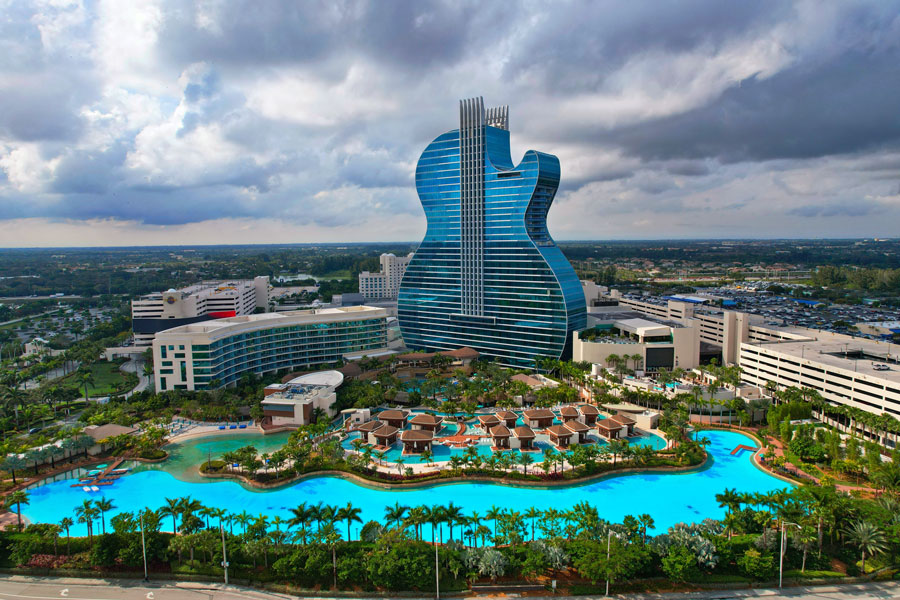
Summer brings hotter temperatures, higher humidity, afternoon thunderstorms, and a slower pace in some areas, but it can also offer lower hotel rates and easier access to certain attractions. Beach days, boating, pools, indoor museums, shopping centers, and early morning outdoor activities are popular during the summer months. Hurricane season runs from June through November, so visitors should monitor weather conditions when planning trips during that period.
Fall can be a useful time to visit for travelers looking for fewer crowds, while late spring offers a transition between peak winter tourism and the hotter summer season. No matter when you visit, sun protection, hydration, comfortable clothing, and flexible plans are helpful throughout the region.
Vicinity of South Florida
Additional Details
| Region | South Florida |
| Primary Counties | Miami-Dade, Broward and Palm Beach |
| Major Cities | Miami, Fort Lauderdale, West Palm Beach, Boca Raton, Hollywood and Miami Beach |
| Popular Coastal Destinations | South Beach, Fort Lauderdale Beach, Hollywood Beach, Delray Municipal Beach, Palm Beach Municipal Beach and Key Biscayne |
| Major Natural Areas | Everglades National Park, Biscayne National Park, Big Cypress National Preserve, Biscayne Bay and Oleta River State Park |
| Popular Attractions | Art Deco District, Little Havana, Wynwood Art District, Las Olas Boulevard, Worth Avenue and Flagler Museum |
| Major Airports | Miami International Airport, Fort Lauderdale-Hollywood International Airport and Palm Beach International Airport |
| Known For | Atlantic beaches, tropical climate, boating, international culture, nightlife, shopping, dining, arts, professional sports and the Everglades |
| Best Time to Visit | Year-round, with winter and early spring offering generally lower humidity and some of the region’s most comfortable outdoor weather |
South Florida brings together some of the state’s most recognizable destinations within a region that can be explored one community at a time. Visitors can experience the international culture and waterfront neighborhoods of Miami, the beaches and Art Deco architecture of Miami Beach, the canals and coastal attractions of Fort Lauderdale, and the shopping, dining and cultural attractions of Palm Beach and West Palm Beach. Other communities including Boca Raton, Delray Beach, Hollywood, Jupiter, Wellington and Coral Gables add still more beaches, neighborhoods, parks, restaurants and attractions to explore.
Beyond the cities, travelers can discover Everglades National Park, Biscayne National Park, Big Cypress National Preserve, Biscayne Bay, Peanut Island and many other parks, waterways and natural areas. South Florida also provides convenient access to the Florida Keys, making the region an especially useful starting point for travelers exploring the southern end of the state.
Whether the trip centers on beaches, boating, wildlife, museums, shopping, dining, nightlife, family attractions or simply exploring Florida’s southeastern coastline, South Florida offers enough variety for anything from a weekend visit to a much longer vacation. Use the destination and attraction links throughout this guide to explore individual communities and plan the parts of South Florida that best fit your trip.