Central Florida
Central Florida is one of the state’s most visited and varied travel regions, bringing together the internationally known attractions of Orlando with historic downtowns, freshwater lakes, natural springs, gardens, wildlife areas and communities that offer a different side of inland Florida. Although the region is closely associated with theme parks and family vacations, it also includes centuries of history, working communities, outdoor recreation and landscapes far removed from the resort corridor.

Orlando serves as the region’s best-known visitor gateway, but Central Florida extends into communities such as Kissimmee, Winter Park, Sanford, Lake Mary, Clermont, Mount Dora, Lakeland and Winter Haven. The area offers an unusually wide range of experiences, from major theme parks and convention resorts to walkable downtown districts, lakefront parks, historic neighborhoods and conservation lands.
Where Is Central Florida?
Central Florida occupies the broad interior of the Florida peninsula between North Florida and the southern portion of the state. Its boundaries vary by context, but the Orlando metropolitan area and surrounding inland communities form its principal tourism center. Orange, Osceola, Seminole, Lake and Polk counties are particularly relevant to a visitor-focused understanding of the region.
Some definitions extend Central Florida toward the Atlantic coast, including the Space Coast, or west toward the Tampa Bay area. For this guide, those destinations are treated as neighboring travel regions with their own identities. The emphasis here is on Orlando and the inland cities, lakes, attractions and natural landscapes surrounding it.
Orlando: The Heart of Central Florida
Orlando is Central Florida’s major urban and tourism center. Its hotels, restaurants, entertainment districts, sports venues and convention facilities support an international visitor economy, while its neighborhoods and downtown offer experiences beyond the theme parks. Downtown Orlando is centered on a series of lakes and civic spaces, including Lake Eola Park, where walking paths, public art and community events create a different atmosphere from the region’s major resorts.
Visitors can explore museums, performing arts venues, local restaurants, shopping areas and residential neighborhoods throughout the city. Orlando also serves as a practical base for day trips to nearby communities, natural springs, historic towns and freshwater recreation areas.
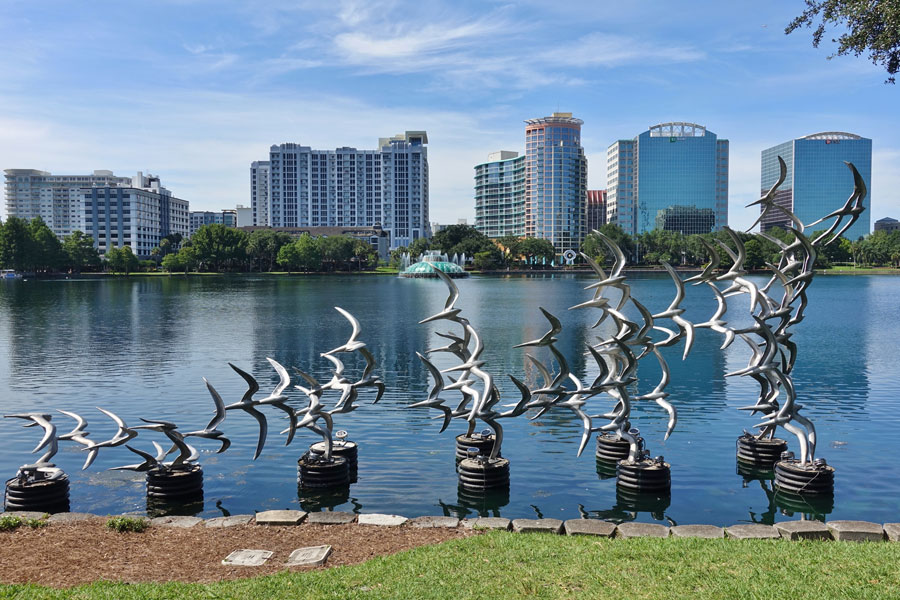
Theme Parks and Major Attractions
Central Florida is internationally recognized for its concentration of large-scale theme parks and entertainment resorts. Walt Disney World Resort, Universal Orlando Resort and SeaWorld Orlando are among the major destinations drawing visitors to the area. Each operates multiple attractions and experiences, and park offerings, operating hours, ticketing arrangements and reservation requirements can change, making official visitor information important when planning a trip.
The Disney resort area includes Magic Kingdom, EPCOT, Disney’s Hollywood Studios and Disney’s Animal Kingdom, along with resort hotels, dining and shopping. Universal Orlando is known for its movie- and adventure-themed attractions, while SeaWorld combines marine-life experiences, rides and entertainment. Water parks, miniature golf, dinner shows and other visitor attractions add further options throughout the broader resort corridor.
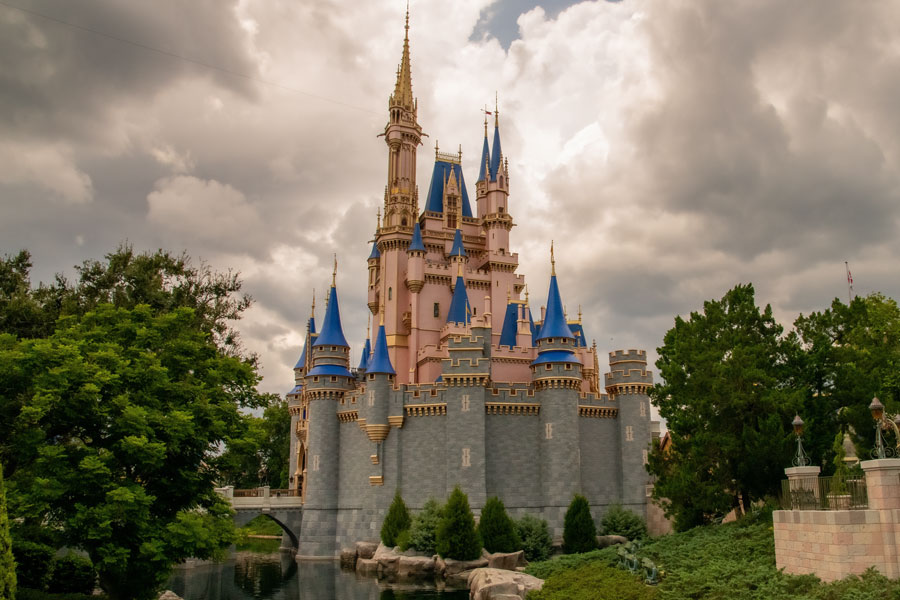
Beyond the major resorts, Central Florida includes smaller attractions, interactive museums, family entertainment centers, botanical gardens and cultural institutions. A trip can easily combine several days at the parks with time in surrounding cities and outdoor destinations.
Kissimmee, Celebration and the Resort Corridor
Kissimmee and nearby Osceola County communities play a major role in Central Florida tourism. The area offers vacation homes, hotels, dining, family entertainment and access to the Orlando-area attractions. Its position south of Orlando makes it a common base for travelers who want a mix of resort activities and other Central Florida experiences.
Celebration is known for its planned town center, pedestrian-friendly streets, lakeside setting and distinctive architecture. Historic downtown Kissimmee and its waterfront offer another perspective, with local businesses, parks and access to the region’s lakes and waterways.
Winter Park, Maitland and Orlando’s Historic Communities
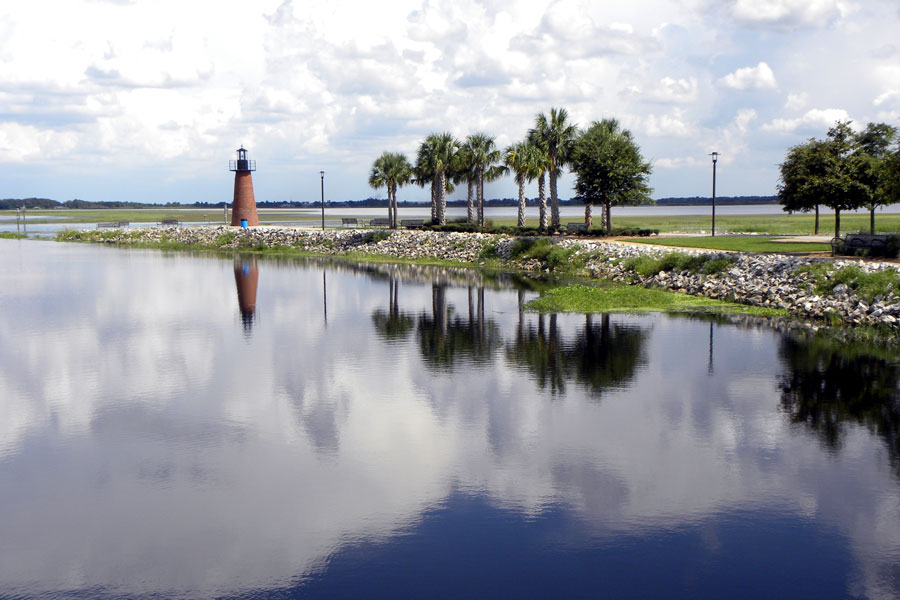
Winter Park, immediately north of Orlando, is known for its brick-lined streets, museums, landscaped parks, lakes and shopping and dining along Park Avenue. Its historic neighborhoods and chain of lakes make it a popular destination for visitors interested in architecture, gardens and a slower-paced afternoon outside the major resort districts.
Nearby Maitland also has cultural and historic sites, while other established communities around Orlando preserve neighborhoods and local gathering places that predate the area’s modern tourism boom. These destinations help demonstrate that Central Florida has a cultural identity beyond its entertainment industry.
Sanford, Lake Mary and Seminole County
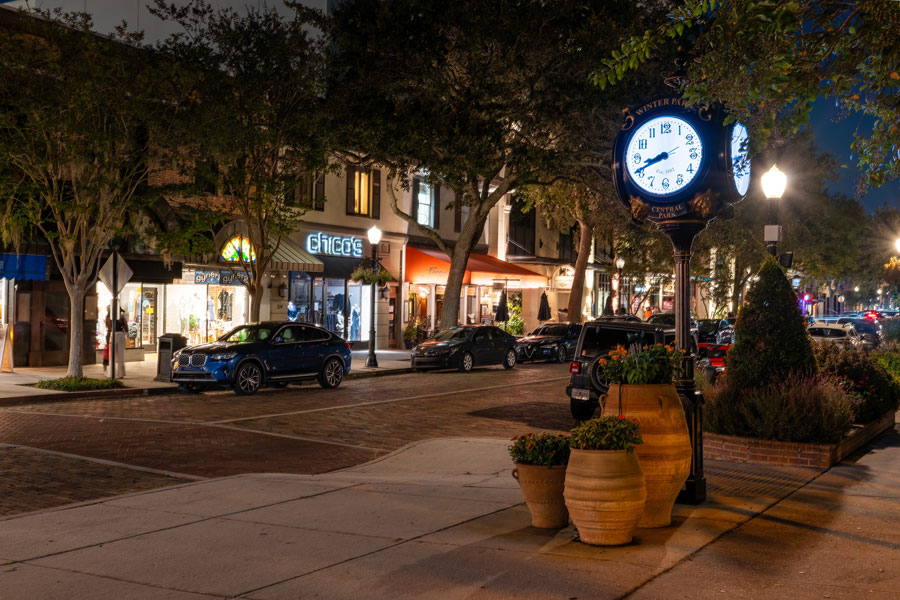
Sanford lies along the southern shore of Lake Monroe and has a historic downtown with shops, restaurants, breweries, cultural venues and a waterfront promenade. Its location near the St. Johns River makes it a useful starting point for exploring the northern Orlando area and its waterways.
Lake Mary and neighboring Seminole County communities offer additional dining, recreation and suburban destinations, while trails and conservation lands connect residents and visitors with the region’s natural environment. The area is especially appealing to travelers who enjoy historic streets, waterfront views and smaller downtown districts.
Clermont, Mount Dora and Lake County
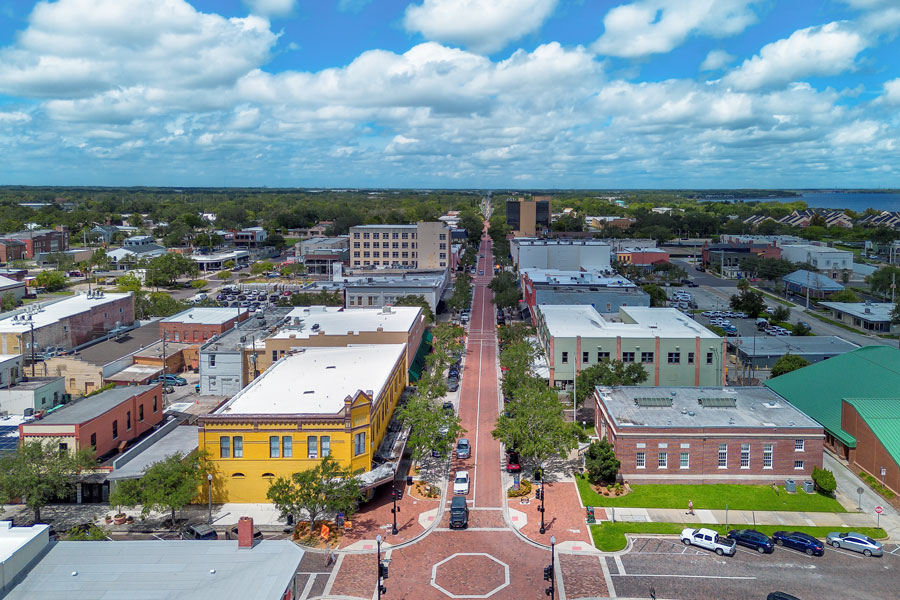
West and northwest of Orlando, Lake County introduces rolling hills, freshwater lakes and smaller towns. Clermont is known for its hilly terrain, lakeside recreation and cycling culture, offering a landscape that contrasts with the generally flatter portions of the Florida peninsula.
Mount Dora has a historic downtown with antique shops, galleries, restaurants and a lakefront setting. Festivals and special events bring visitors throughout the year, while surrounding communities offer parks, trails, boating and opportunities to explore the area’s lake systems.
Lakeland, Winter Haven and Polk County
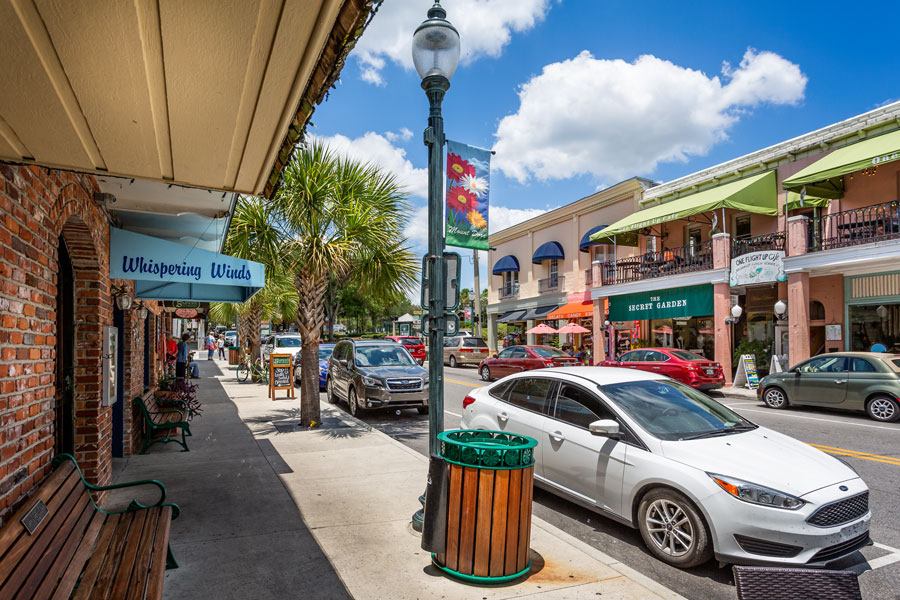
Polk County connects the Orlando region with inland destinations farther southwest. Lakeland is known for its lakes, historic architecture, cultural institutions and public spaces, including Lake Mirror and Hollis Garden. Winter Haven is closely associated with its Chain of Lakes and LEGOLAND Florida Resort, a major family attraction.
The county also offers gardens, historic neighborhoods, nature preserves and recreational trails. Travelers who explore this part of Central Florida can discover a mix of family attractions and everyday communities shaped by agriculture, railroads and freshwater landscapes.

Natural Springs, Rivers and Wildlife
Central Florida’s freshwater environments are among its most distinctive natural attractions. Springs, rivers, wetlands and forested conservation lands provide opportunities for swimming where permitted, paddling, hiking, birdwatching and observing native wildlife. The Wekiwa Springs area northwest of Orlando is particularly well known for clear spring water and outdoor recreation, while the St. Johns River system connects numerous inland habitats and communities.
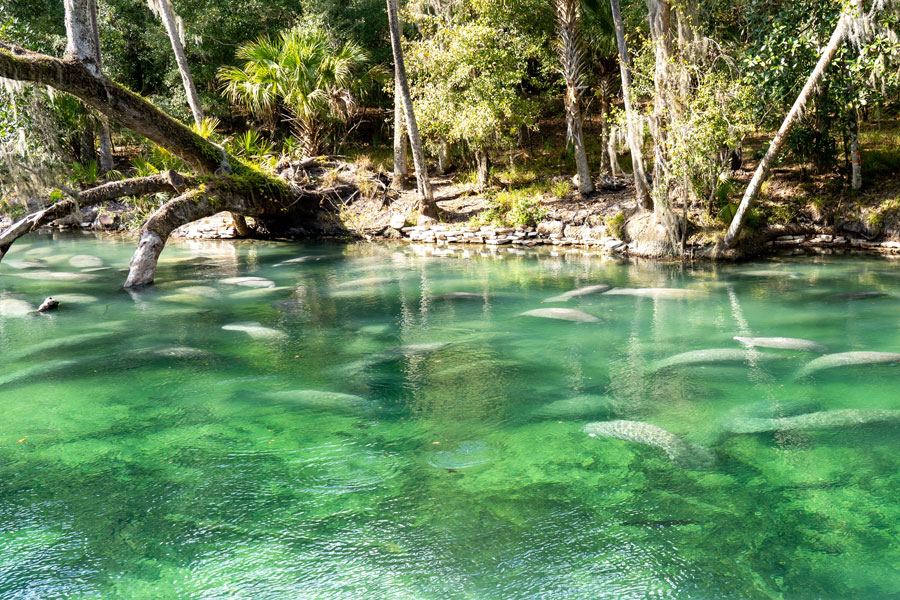
Blue Spring State Park near Orange City is especially associated with winter manatee viewing, although access, seasonal protections and recreational activities are subject to park rules and conditions. Visitors should observe wildlife from a distance and follow posted restrictions designed to protect sensitive habitats.
Lakes, Trails and Outdoor Recreation
Unlike Florida’s coastal regions, much of Central Florida is organized around lakes and inland waterways. Boating, fishing, kayaking and lakeside walking are popular activities in communities from Orlando and Winter Park to Clermont, Mount Dora, Lakeland and Winter Haven. Public parks, multiuse trails and nature preserves provide ways to experience the area without visiting a major ticketed attraction.
The region’s network of trails supports walking and cycling, while conservation areas preserve wetlands, pine flatwoods, scrub and other native habitats. Weather, water levels and park access can affect outdoor plans, especially during the hotter and wetter months.
History, Museums and Cultural Attractions
Long before modern theme parks transformed the region, Central Florida developed around Indigenous communities, cattle ranching, citrus cultivation, railroads and inland trade. Historic downtown districts, museums, preserved buildings and local heritage sites tell different parts of this story.
Orlando and Winter Park offer major arts and cultural venues, while Sanford, Mount Dora, Lakeland and other communities have their own museums, theaters, galleries and historic districts. Exploring these destinations provides context for how the region evolved from agricultural and lakeside settlements into one of the world’s leading tourism centers.
Shopping, Dining and Entertainment
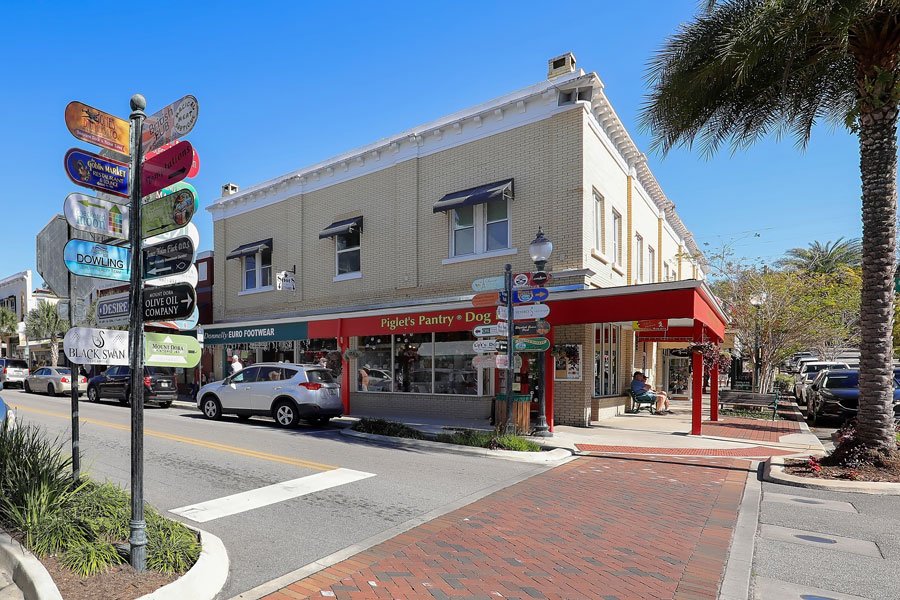
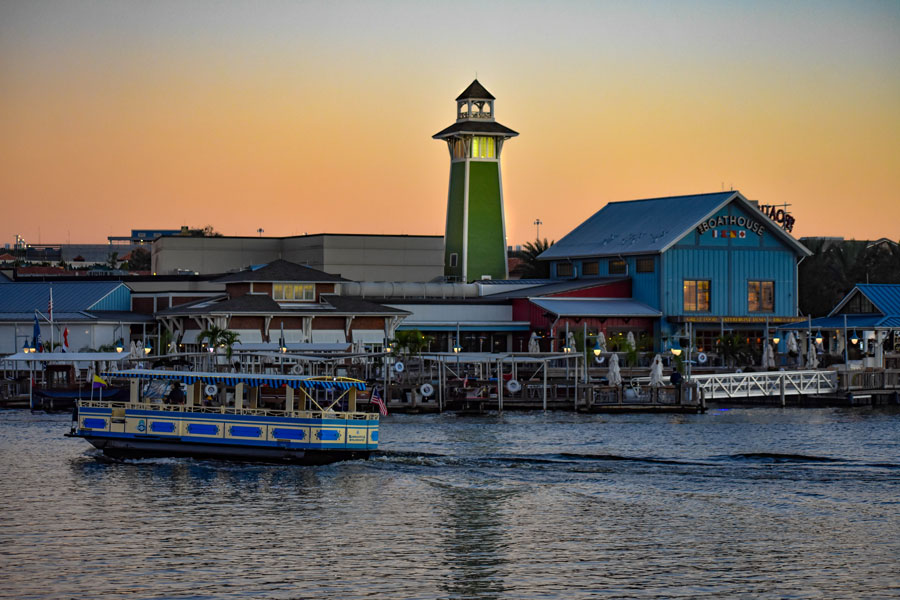
Central Florida offers shopping and dining options ranging from large destination retail centers and resort entertainment districts to independent restaurants, farmers markets and walkable downtown streets. The Orlando tourism corridor contains numerous shopping complexes and themed dining venues, while downtown Orlando, Winter Park, Sanford and Mount Dora offer more locally oriented experiences.
Visitors can find international cuisines, Southern and Florida-inspired dishes, contemporary restaurants, bakeries and casual waterfront dining. Local events and seasonal markets also provide opportunities to experience individual communities beyond their best-known attractions.
Central Florida for Families
Families are drawn to Central Florida for its theme parks, but the region’s appeal extends to hands-on museums, playgrounds, botanical gardens, wildlife viewing, boat tours and outdoor recreation. Combining large attractions with quieter activities can help make a multi-day trip more varied and manageable.
Families staying in the Orlando or Kissimmee area can also plan excursions to nearby downtowns, lakes, gardens and springs. Activities should be chosen with children’s ages, weather conditions, driving distances and attraction schedules in mind.
Sports, Events and Conventions
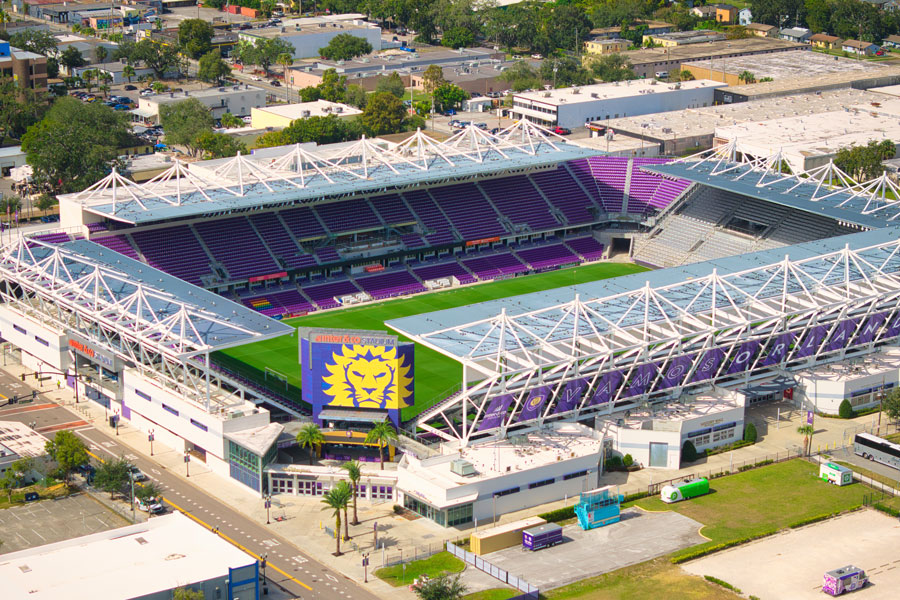
Orlando hosts professional and collegiate sports, major conventions, concerts, performances and a broad calendar of festivals and special events. The area’s convention infrastructure brings business travelers as well as vacationers, and sports facilities across the region support tournaments and recreational activities.
Smaller communities contribute their own annual festivals, arts events, seasonal celebrations and outdoor markets. Event dates, venues and ticket requirements change, so travelers should confirm details with the organizers before making plans.
When to Visit Central Florida
Central Florida is a year-round destination, although seasons influence both the weather and visitor experience. Summers are hot and humid, with frequent afternoon thunderstorms. Winters are generally milder and can be pleasant for sightseeing, trails and outdoor dining, although occasional cold fronts bring cooler temperatures.
Spring and fall can offer comfortable conditions for exploring cities, parks and natural areas. Theme park attendance and accommodation prices often change around school holidays, major events and vacation periods. Visitors planning outdoor activities during the Atlantic hurricane season should monitor forecasts and be prepared for changes in weather.
Airports and Getting Around
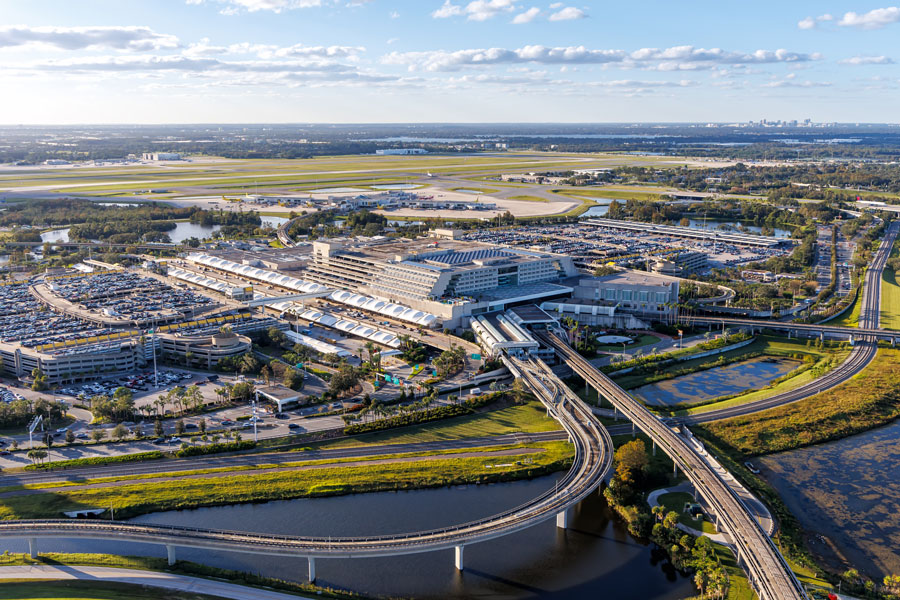
Orlando International Airport is the principal commercial gateway for much of Central Florida. Orlando Sanford International Airport also serves the region, while travelers visiting the Lakeland and Polk County area may consider other airports depending on available service and their itinerary. Rail, rental cars, rideshare services and local transit provide transportation options, although the usefulness of each varies by destination.
Because attractions, lakes, towns and natural areas are spread across several counties, a car is often the most practical option for exploring beyond the main tourism districts. Interstate 4 is a major corridor linking Orlando with communities to the southwest and northeast; Florida’s Turnpike and other highways provide additional connections.
Vicinity of Central Florida
Additional Details
| Region | Central Florida |
| Geographic Focus | Orlando and surrounding inland communities of the central Florida peninsula |
| Principal Counties | Orange, Osceola, Seminole, Lake and Polk counties |
| Major Cities and Communities | Orlando, Kissimmee, Winter Park, Sanford, Lake Mary, Clermont, Mount Dora, Lakeland and Winter Haven |
| Major Attractions | Walt Disney World Resort, Universal Orlando Resort, SeaWorld Orlando and LEGOLAND Florida Resort |
| Natural Areas | Wekiwa Springs area, Blue Spring State Park, St. Johns River, freshwater lakes, parks and conservation lands |
| Major Roadways | Interstate 4, Florida’s Turnpike and regional highways |
| Primary Airports | Orlando International Airport and Orlando Sanford International Airport |
| Known For | Theme parks, family attractions, conventions, freshwater lakes, natural springs, historic downtowns and outdoor recreation |
| Best Time to Visit | Year-round; spring and fall are often comfortable for outdoor sightseeing, while school holidays can be busy at major attractions |
Exploring Central Florida
Central Florida rewards visitors who explore beyond any one attraction. Orlando and its internationally known attractions, including Walt Disney World Resort, Universal Orlando Resort and SeaWorld Orlando, are an important part of the region, but the surrounding communities offer their own reasons to visit. Winter Park combines lakes, gardens and cultural attractions; Sanford offers a historic waterfront near the St. Johns River; and Kissimmee provides access to both the resort corridor and Osceola County’s inland landscapes.
West of Orlando, Clermont and Mount Dora introduce hills, lakes and small-town character, while Lakeland and Winter Haven add historic public spaces, family attractions and freshwater recreation, including LEGOLAND Florida Resort. The region’s springs, parks and river systems provide another dimension, with opportunities to paddle, hike, observe wildlife and experience Florida’s natural environments away from the busiest visitor districts. Blue Spring State Park near Orange City is especially notable for winter manatee viewing.
Whether a trip centers on the Orlando theme parks, a cultural weekend in Winter Park, outdoor recreation around Clermont or a broader journey through the state, Central Florida offers a combination of major attractions and distinctive local destinations. Travelers arriving through Orlando International Airport or Orlando Sanford International Airport can explore the region’s many communities using this guide alongside FloridaVisiting’s individual city, attraction, park and airport pages to build an itinerary that reflects more than a single side of Central Florida.