Florida’s Emerald Coast
Florida’s Emerald Coast is a celebrated stretch of Northwest Florida known for brilliant white-sand beaches, clear green-blue Gulf waters, waterfront communities, fishing, boating and some of the most distinctive coastal landscapes in the Florida Panhandle. Centered around Destin, Fort Walton Beach, Okaloosa Island and the communities of South Walton, the region combines busy resort areas with state parks, coastal dune lakes, protected natural areas and quieter beach towns.
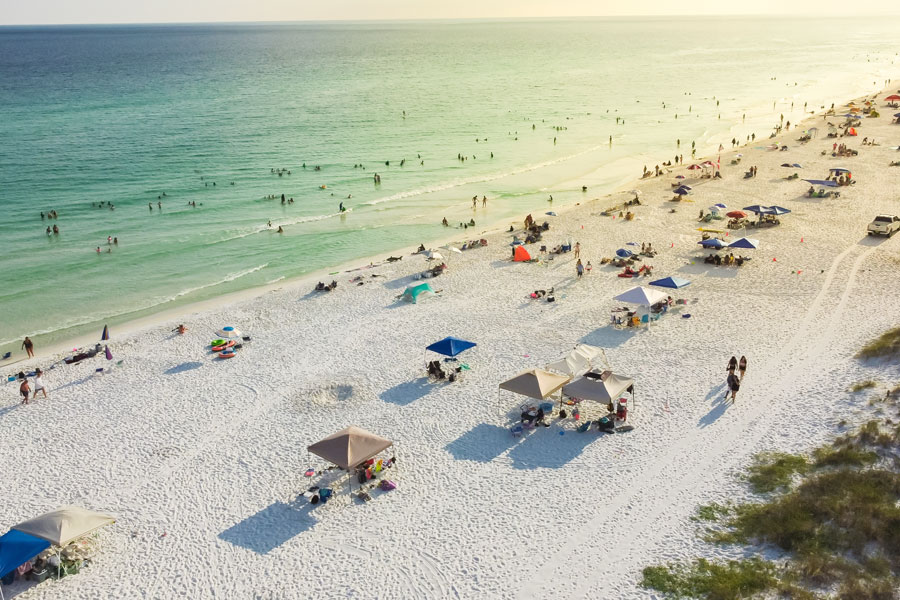
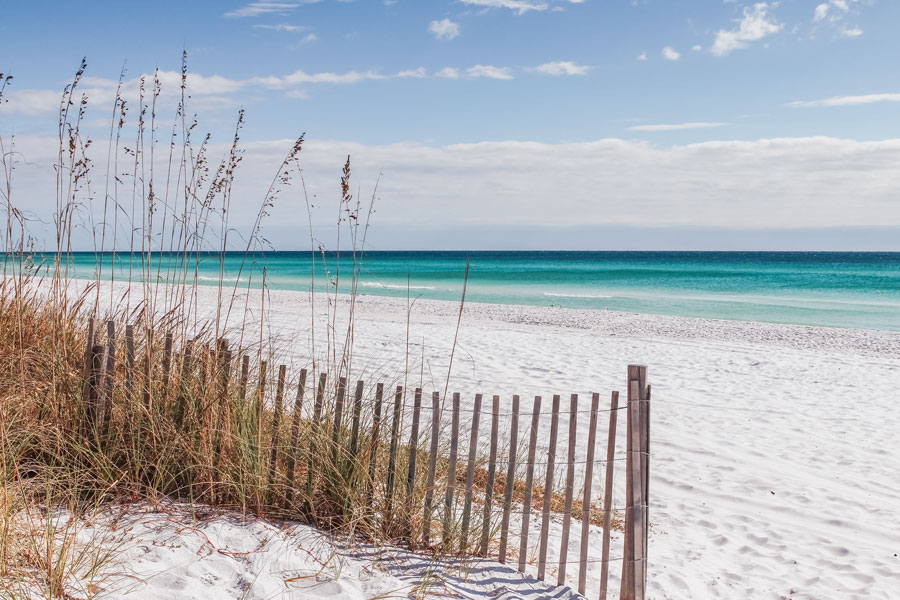
The name Emerald Coast comes from the striking color of the Gulf waters along this portion of Florida’s shoreline. Beneath the water, bright white sand helps create the vivid green and turquoise appearance that has become closely associated with the region. On land, the same exceptionally light sand forms broad beaches and dune systems extending along much of the coast.
Where Is the Emerald Coast?
The Emerald Coast is located along the Gulf of Mexico in Northwest Florida. Destin and Fort Walton Beach are at the heart of the region, with Okaloosa Island stretching between them and the beach communities of Walton County continuing east along the coast.
The term is sometimes applied more broadly to portions of the western Florida Panhandle, so its exact boundaries can vary depending on the source. For visitors, however, the strongest concentration of destinations associated with the Emerald Coast extends through the Destin-Fort Walton Beach area and into South Walton, including Miramar Beach, Sandestin, Santa Rosa Beach and communities along Scenic Highway 30A.
Communities of the Emerald Coast
Although the region shares a common coastline, its communities offer noticeably different experiences. Destin is one of Northwest Florida’s best-known vacation destinations and has a strong connection to recreational fishing and boating. Fort Walton Beach combines beaches and visitor attractions with a larger year-round community, while Okaloosa Island provides direct access to the Gulf between Fort Walton Beach and Destin.
Farther east, Miramar Beach and Sandestin offer resorts, shopping, golf and beach access before the landscape transitions into the communities of South Walton. Santa Rosa Beach serves as a gateway to Scenic Highway 30A, where communities including Grayton Beach, Seaside, WaterColor, Seagrove Beach, Alys Beach and Rosemary Beach are spread along a scenic coastal corridor.
Beaches and Gulf Waters
Beaches are the defining attraction of the Emerald Coast. Fine white sand borders clear Gulf water that can shift from pale turquoise near shore to deeper shades of green and blue farther offshore. Swimming, sunbathing, paddleboarding, kayaking, snorkeling and surf fishing are common throughout the region, although Gulf conditions can change quickly and visitors should always observe posted beach warning flags.
Public beach access points are available throughout Okaloosa and Walton counties, while state parks preserve some of the region’s most impressive undeveloped shoreline. The character of the coast also changes from place to place, ranging from active resort beaches near Destin to comparatively natural stretches surrounded by dunes, coastal forest and protected habitat.
Destin and Fort Walton Beach
Destin and Fort Walton Beach form the most heavily visited portion of the Emerald Coast. Destin developed around fishing and remains closely identified with the industry, with charter boats, marinas and recreational fishing continuing to play an important role in the community. The city’s location between the Gulf and Choctawhatchee Bay also makes boating central to the visitor experience.
Fort Walton Beach lies west of Destin and provides access to Santa Rosa Sound, Choctawhatchee Bay and nearby Gulf beaches. Between the two communities, Okaloosa Island features beachfront accommodations, recreation and long stretches of white sand while remaining convenient to attractions on both sides of the island.
Scenic Highway 30A and South Walton
Scenic Highway 30A follows the coast through South Walton and connects a collection of small beach communities with their own architecture, atmosphere and public spaces. Instead of one continuous resort city, visitors encounter individual communities separated by beaches, state parks, coastal dune lakes and stretches of native vegetation.
Grayton Beach is among the area’s older beach communities, while Seaside became nationally known for its carefully planned town design. WaterColor, Seagrove Beach, Alys Beach and Rosemary Beach contribute additional dining, shopping, lodging and recreation options along the corridor. Bicycling is especially popular along 30A, allowing visitors to travel between communities without relying entirely on a vehicle.
State Parks and Protected Coastline
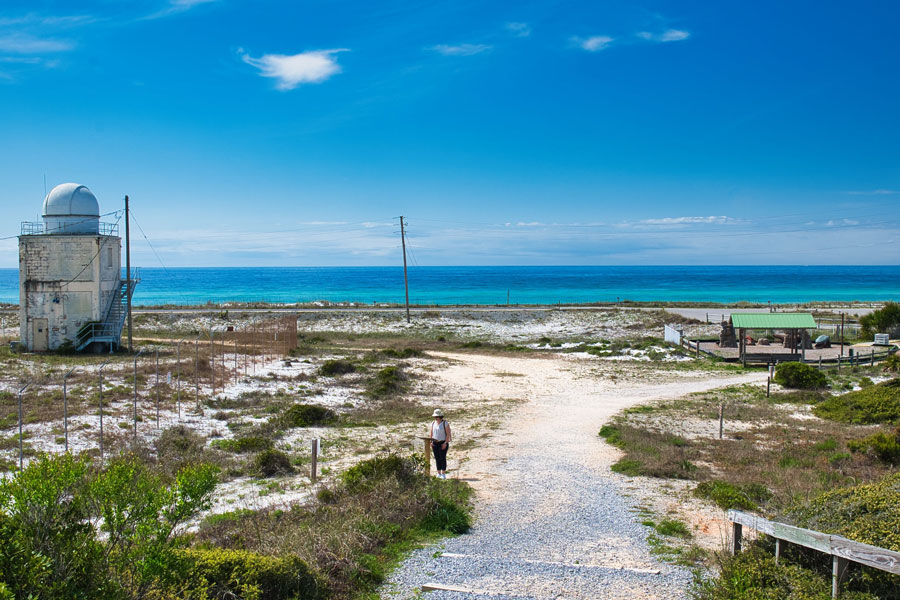
Several Florida state parks protect beaches, dunes, forests and waterways within the Emerald Coast region. Henderson Beach State Park in Destin preserves more than a mile of natural Gulf shoreline along with coastal scrub habitat, a nature trail and camping facilities.
East of Destin, Topsail Hill Preserve State Park protects miles of white-sand beach, extensive dune systems, wetlands, pine forest and rare coastal dune lakes. Grayton Beach State Park combines Gulf shoreline with Western Lake and coastal forest, providing opportunities for swimming, paddling, hiking, bicycling, fishing, camping and wildlife viewing.
Coastal Dune Lakes
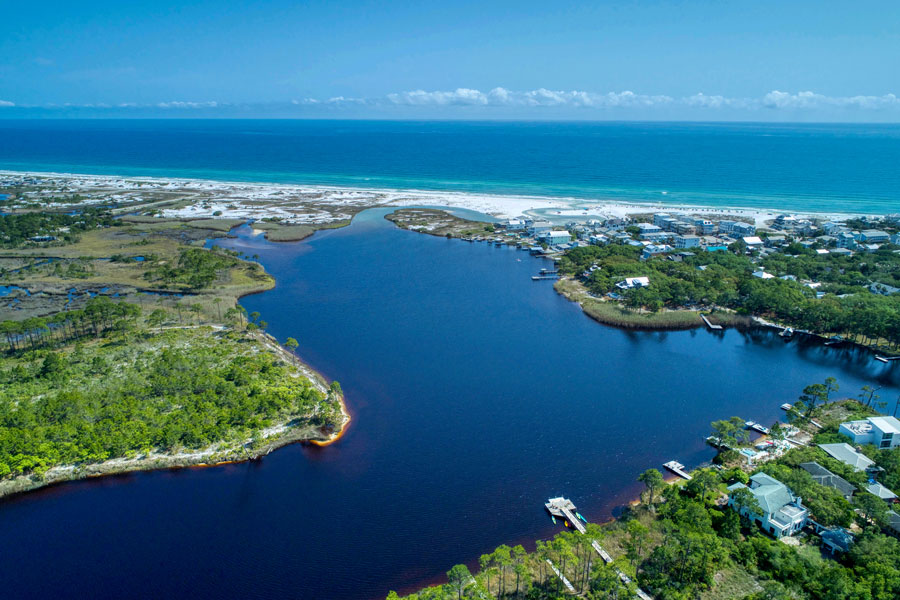
One of the Emerald Coast’s most unusual natural features is the concentration of coastal dune lakes found in South Walton. These shallow freshwater lakes sit remarkably close to the Gulf and are separated from the beach by dunes and narrow strips of sand. Under certain conditions, water from a lake can create a temporary channel to the Gulf, allowing freshwater and saltwater to interact.
Western Lake at Grayton Beach is one of the most visible examples and can be explored by kayak or paddleboard. Other dune lakes are protected within parks and conservation areas, making them an important part of the region’s ecology as well as its scenery.
Fishing and Boating
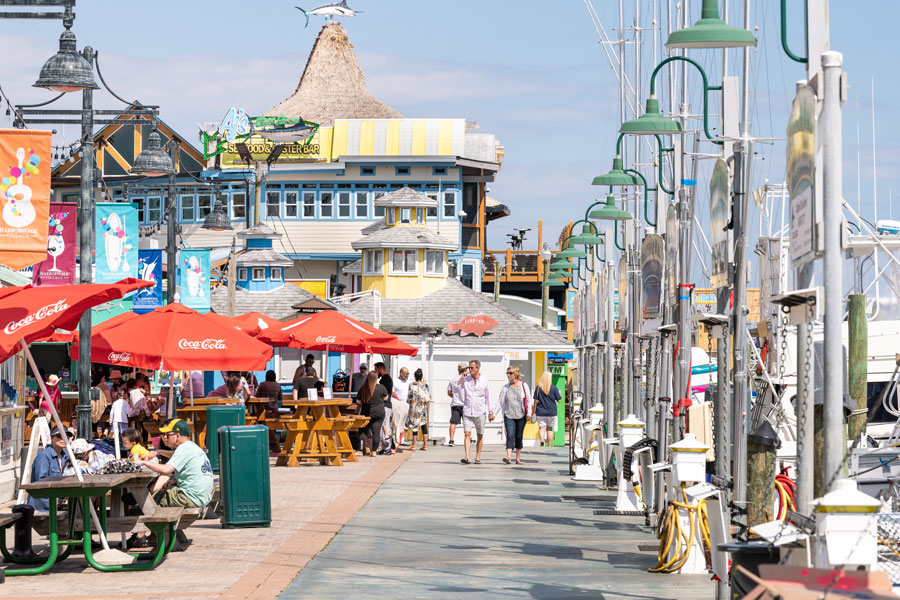
Fishing has shaped the identity of the Emerald Coast for generations. Destin in particular maintains a large charter-fishing industry, with boats departing for nearshore and offshore waters throughout the year. Depending on season, location and regulations, anglers pursue a wide variety of Gulf species from charter boats, private vessels, piers and beaches.
Boating opportunities extend well beyond offshore fishing. Choctawhatchee Bay, Santa Rosa Sound and numerous bayous provide more protected water for recreational boating, kayaking and paddleboarding. Marinas and boat ramps are distributed throughout the region, while boat tours and rental operations make it possible for visitors without their own vessels to spend time on the water.
Nature and Wildlife
The Emerald Coast supports considerably more wildlife habitat than its developed beachfront areas might suggest. Dunes, coastal scrub, pine forests, wetlands, bays and dune lakes create environments for shorebirds, marine animals and native plants. Dolphins are frequently associated with the area’s coastal waters, while sea turtles use Northwest Florida beaches for nesting.
Protected lands are particularly important because development along the coast has reduced some natural habitat. Visitors can help protect these environments by staying off dunes, using designated boardwalks, respecting nesting areas, keeping beaches free of trash and observing wildlife from an appropriate distance.
Shopping, Dining and Entertainment
The Emerald Coast offers a broad mix of restaurants, shopping districts and entertainment alongside its beaches. Seafood is prominent throughout the region, particularly in waterfront communities with longstanding connections to commercial and recreational fishing. Restaurants range from casual beach establishments and seafood markets to upscale waterfront dining.
Destin, Miramar Beach and Sandestin contain some of the region’s larger shopping and entertainment destinations, while the communities along 30A tend to feature smaller commercial districts, restaurants, galleries and locally oriented businesses. Evening activity varies considerably by community, allowing travelers to choose between active entertainment districts and quieter coastal settings.
Family Activities
Families visiting the Emerald Coast can combine beach days with fishing trips, dolphin cruises, boating, miniature golf, nature trails, paddling and other attractions throughout the Destin-Fort Walton Beach area. The generally short distances between communities make it practical to stay in one location while exploring several different parts of the coast.
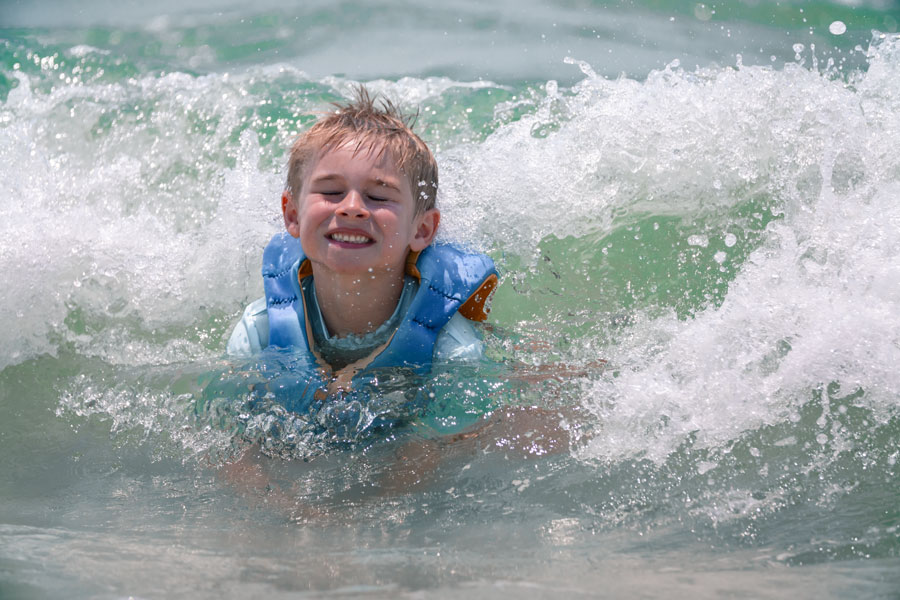
State parks provide an alternative to the more developed attractions, giving families opportunities to hike, bicycle, camp, observe wildlife and explore natural beaches. Conditions on the Gulf should always be checked before swimming, particularly when traveling with children.
When to Visit the Emerald Coast
The Emerald Coast is a year-round destination, although the experience changes considerably with the seasons. Spring brings warmer temperatures and increasing beach activity, while summer is the traditional peak vacation period, with hot weather, warm Gulf water and frequent afternoon thunderstorms.
Early fall can provide warm water and fewer crowds, but it also falls within the Atlantic hurricane season. Winters are generally much cooler and quieter than summer, making the season appealing for visitors more interested in sightseeing, fishing, walking and exploring communities than spending an entire day swimming at the beach.
Getting to Florida’s Emerald Coast
Destin-Fort Walton Beach Airport provides convenient air service to the central Emerald Coast, while Northwest Florida Beaches International Airport near Panama City and Pensacola International Airport provide additional options depending on a visitor’s destination and flight availability.
U.S. Highway 98 is the primary coastal route connecting many Emerald Coast communities. Scenic Highway 30A branches away from U.S. 98 through South Walton’s beach communities, while Interstate 10 provides the principal east-west highway connection across the Florida Panhandle farther inland.
Vicinity of Florida’s Emerald Coast
Additional Details
| Region | Northwest Florida / Florida Panhandle |
| Coast | Gulf Coast |
| Primary Destinations | Destin, Fort Walton Beach, Okaloosa Island and South Walton |
| Beach Communities | Miramar Beach, Sandestin, Santa Rosa Beach, Grayton Beach, Seaside and Rosemary Beach |
| Known For | White-sand beaches, emerald-colored Gulf water, fishing, boating, coastal dune lakes, state parks and distinctive beach communities |
| Major Coastal Route | U.S. Highway 98 |
| Scenic Route | Scenic Highway 30A |
| Notable State Parks | Henderson Beach State Park, Topsail Hill Preserve State Park and Grayton Beach State Park |
| Nearby Airports | Destin-Fort Walton Beach Airport, Northwest Florida Beaches International Airport and Pensacola International Airport |
Exploring Florida’s Emerald Coast
Florida’s Emerald Coast occupies a relatively small portion of the state’s enormous shoreline, but its combination of white quartz sand, unusually colorful Gulf water, fishing communities, protected natural areas and distinctive beach towns gives the region an identity of its own. Visitors can experience the marinas, fishing heritage and beaches of Destin, explore Fort Walton Beach and Okaloosa Island, or continue east into South Walton and the communities along Scenic Highway 30A.
Natural areas are an equally important part of the Emerald Coast experience. Henderson Beach State Park protects Gulf shoreline within Destin, while Topsail Hill Preserve State Park and Grayton Beach State Park preserve beaches, dunes, forests, wetlands and the coastal dune lakes that make South Walton distinctive. Communities such as Seaside and Rosemary Beach add walkable town centers, restaurants, shops and architecture to a coastal landscape that can change noticeably over relatively short distances.
Whether a visit centers on beaches, fishing, boating, state parks, coastal dune lakes, dining, shopping or simply traveling between the communities of 30A, the Emerald Coast offers several different ways to experience Northwest Florida within a compact area. Use the destination, beach, park and transportation links throughout this guide to explore individual places and plan a trip around the parts of Florida’s Emerald Coast that interest you most.