Florida’s Nature Coast
Florida’s Nature Coast is a stretch of the Gulf Coast where freshwater springs, tidal marshes, winding rivers and coastal forests define the landscape. From Weeki Wachee and Homosassa to Crystal River, Cedar Key and Steinhatchee, the region offers a quieter alternative to the state’s heavily developed beach destinations. Visitors come to encounter manatees, paddle clear spring-fed rivers, explore historic fishing communities and experience the broad, shallow waters of Florida’s Big Bend.
Where Is Florida’s Nature Coast?
The Nature Coast occupies the west-central and northwestern side of the Florida peninsula, extending northward from the coastal areas of Pasco and Hernando counties through Citrus, Levy, Dixie and Taylor counties. Broader definitions also include Wakulla County and inland Jefferson County. Its boundaries are informal, and the northern portion overlaps the Big Bend, where the peninsula curves toward the Panhandle and the Forgotten Coast.
The region is accessible from Tampa to the south and Gainesville to the east. U.S. Highway 19 and U.S. Highway 98 connect many of its communities, while smaller roads lead west toward fishing villages, boat ramps and wildlife areas. Inland landscapes include pine forests, limestone formations, freshwater wetlands and rural towns, making the Nature Coast more than simply a strip of shoreline.
Crystal River and the Manatees
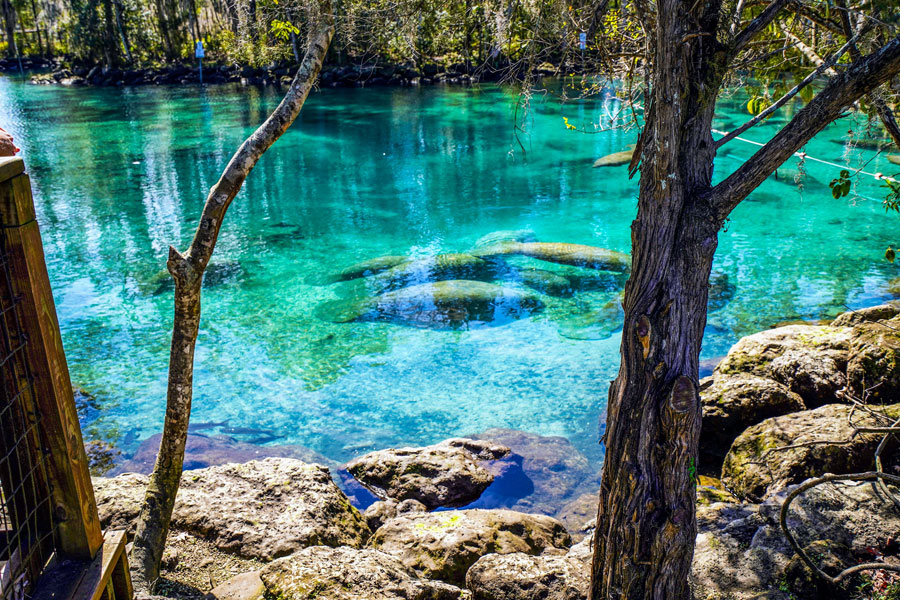
Crystal River is among the best-known destinations on the Nature Coast, particularly for the West Indian manatees that gather in the relatively warm spring waters of Kings Bay during colder weather. Three Sisters Springs and the Crystal River National Wildlife Refuge protect important habitat within this interconnected system of springs and waterways. Visitors can observe manatees from designated viewing areas or join authorized and appropriately conducted guided water excursions.
Winter generally offers the greatest opportunity to see large gatherings of manatees, although some remain in the area throughout the year. Wildlife protection rules are especially important: visitors must avoid chasing, touching or disturbing resting animals and respect closed sanctuary areas. Access to individual springs can change with weather, wildlife conditions and management restrictions.
Homosassa and Its Spring-Fed Waterways
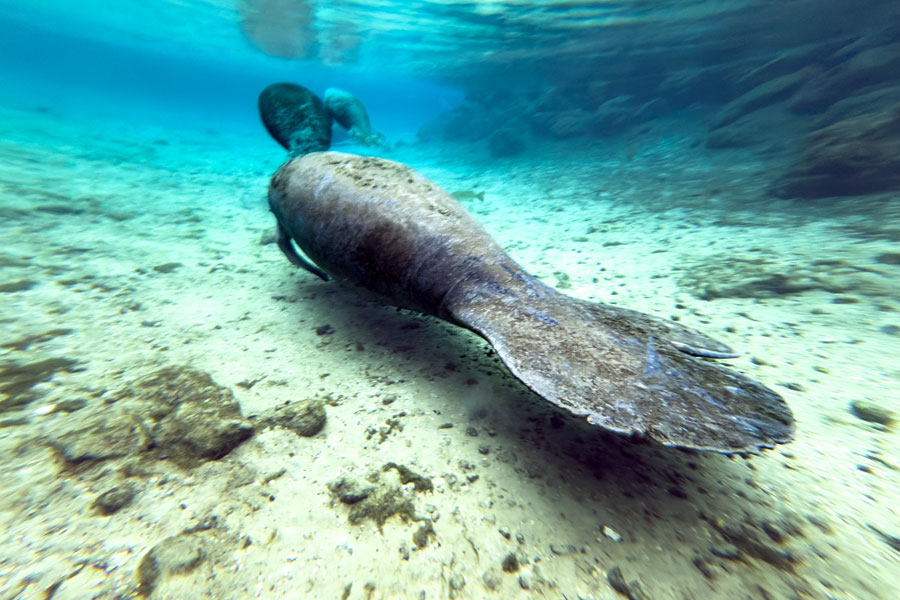
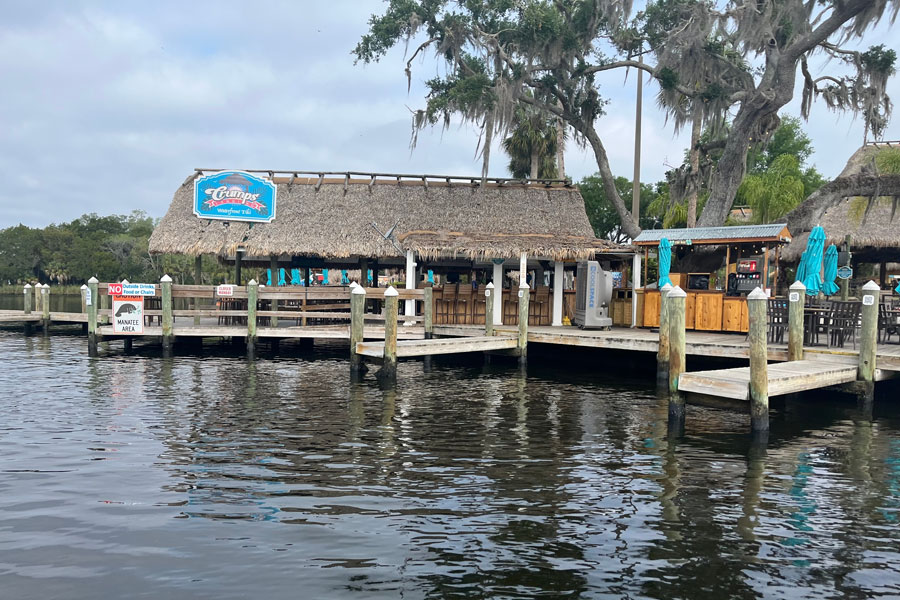
South of Crystal River, Homosassa combines a historic fishing community with freshwater springs, riverside restaurants and access to the Gulf. The Homosassa River flows from its spring system through residential and natural areas toward coastal marshes, creating opportunities for boating, fishing and wildlife viewing.
Homosassa Springs Wildlife State Park provides an accessible introduction to Florida’s native wildlife, with exhibits and viewing areas featuring manatees and other animals. Nearby Old Homosassa retains a working waterfront character, with marinas, fishing guides and seafood establishments reflecting the community’s connection to the water.
Weeki Wachee and the Southern Nature Coast
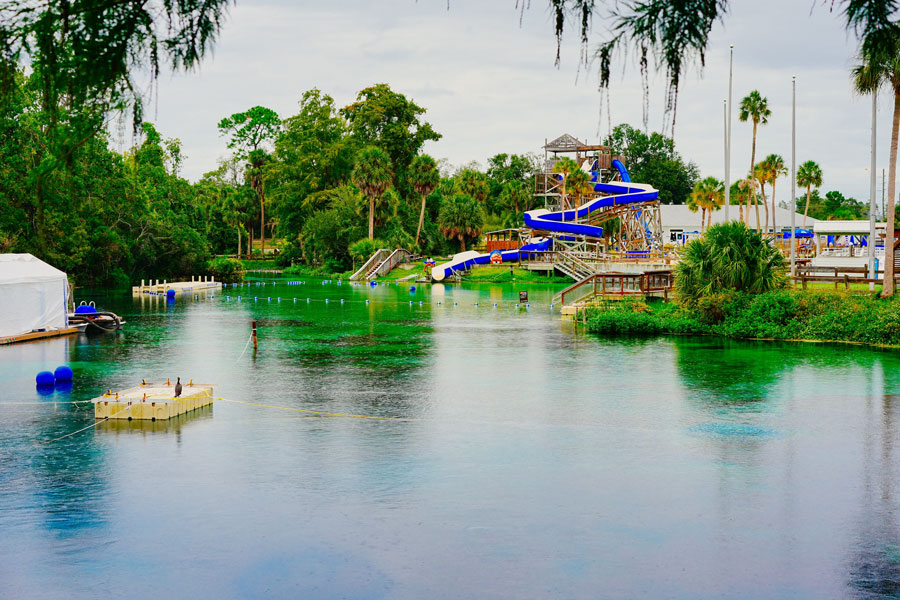
Weeki Wachee is famous for its spring-fed river and the underwater mermaid performances at Weeki Wachee Springs State Park. The attraction dates to 1947 and combines a distinctive piece of Florida roadside tourism history with a natural freshwater spring. The river flows west toward the Gulf through a landscape of wooded banks and clear water.
Paddling is a popular way to experience the Weeki Wachee River, with designated launch facilities and rules intended to protect its sensitive habitat. Nearby Hernando Beach and Pine Island offer additional opportunities to enjoy the coastal landscape. Visitors should check park reservations, launch requirements and local river protection rules before setting out.
Cedar Key and the Coastal Islands
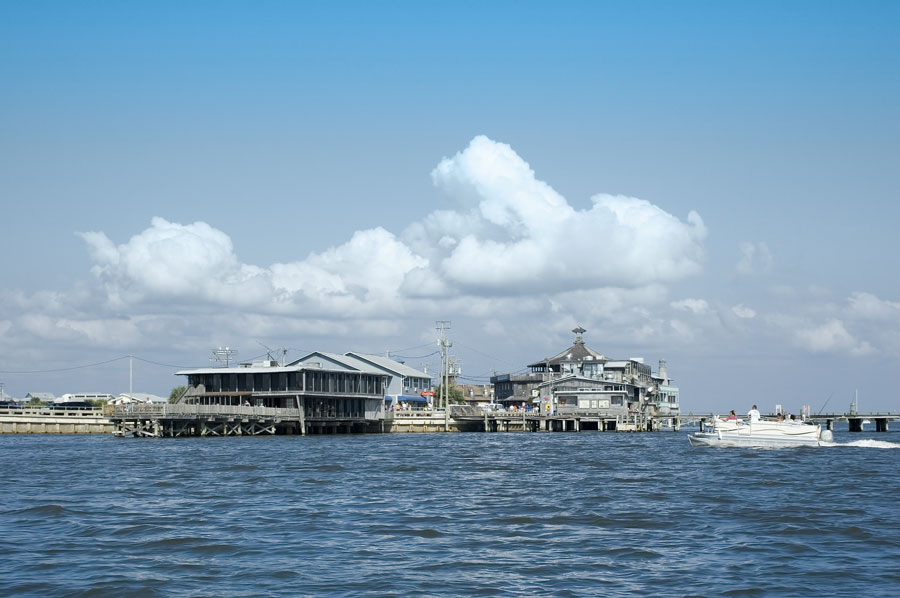
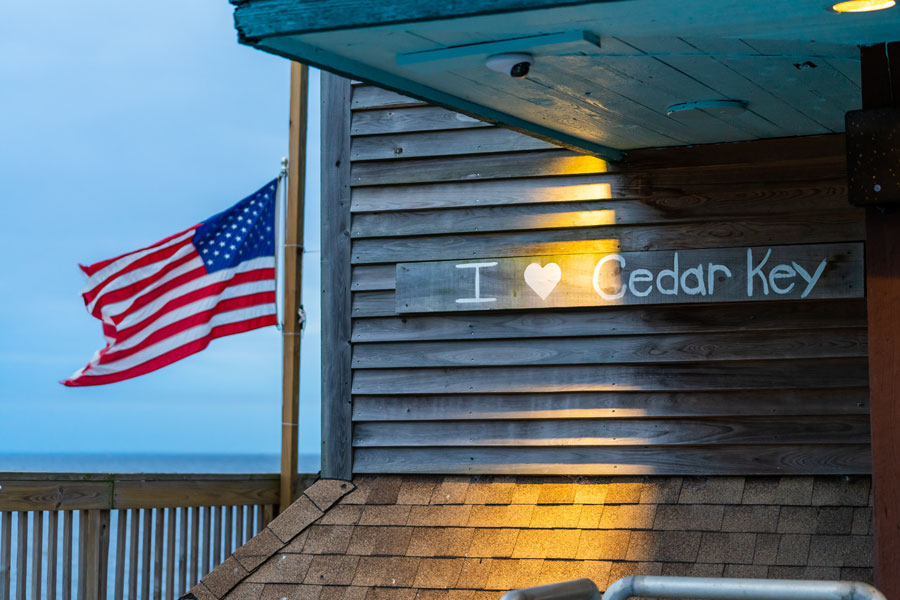
Cedar Key is a small island community off the Levy County coast, connected to the mainland by State Road 24. Its waterfront, fishing heritage and surrounding islands provide a different experience from Florida’s larger resort towns. Local seafood, small shops, art and views across the Gulf are central to its appeal.
The surrounding Cedar Keys National Wildlife Refuge protects islands used by nesting and migratory birds. Boat excursions and paddling can reveal oyster bars, marshes and quiet channels, although access to some islands is restricted for wildlife protection. Cedar Key is also associated with Florida’s farm-raised clam industry, which depends on the shallow coastal waters surrounding the community.
Steinhatchee and the Big Bend
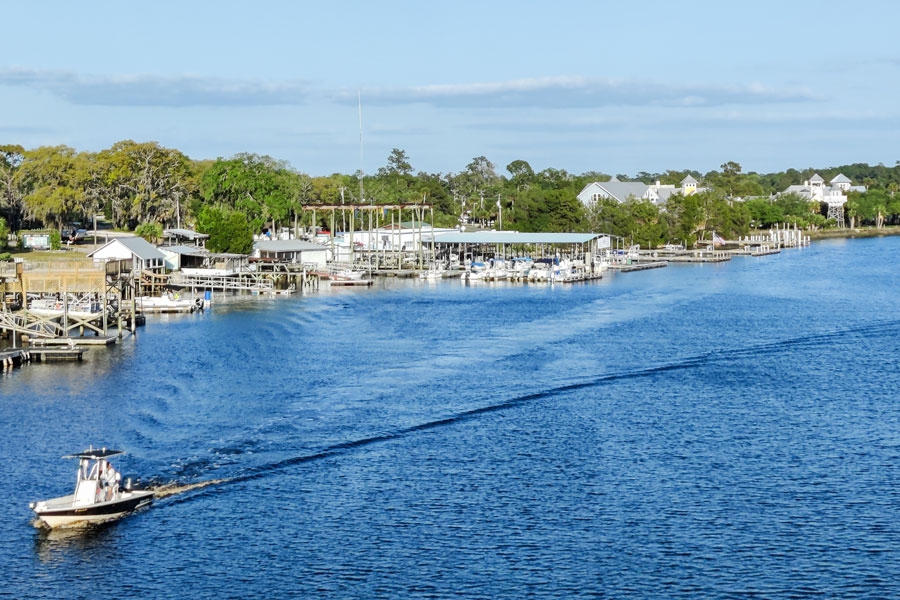
Farther north, Steinhatchee sits along the Steinhatchee River near its mouth on the Gulf. The community is a base for fishing, boating and seasonal bay scalloping, with marinas and vacation accommodations serving visitors exploring the shallow coastal waters of the Big Bend.
The nearby communities of Horseshoe Beach, Suwannee and Keaton Beach offer additional access to a landscape dominated by tidal creeks, marshes and coastal forests. The lower Suwannee River reaches the Gulf through a broad wetland system, where freshwater and saltwater meet. These remote coastal areas reward travelers who appreciate quiet scenery, fishing and nature rather than large entertainment districts.
Freshwater Springs and Rivers
The Nature Coast is shaped by the Floridan aquifer and the limestone beneath much of the peninsula. Groundwater emerges through springs that feed rivers and wetlands, creating clear-water habitats and opportunities for swimming, snorkeling and paddling where permitted. The Chassahowitzka River, Rainbow River and the springs around Crystal River and Homosassa are examples of the region’s varied freshwater environments.
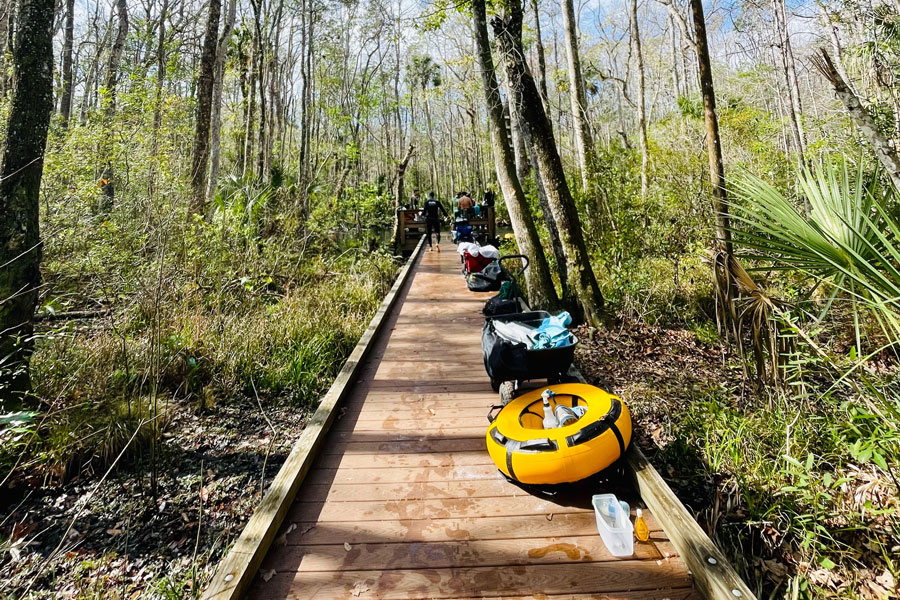
Inland excursions can include Rainbow Springs State Park near Dunnellon and Manatee Springs State Park near Chiefland. The latter connects to the Suwannee River and offers a combination of spring scenery, wooded trails and river access. Spring conditions, swimming rules and watercraft restrictions vary by site, so travelers should consult individual park information before visiting.
Wildlife Refuges and Protected Landscapes
Salt marshes, seagrass beds, oyster reefs and coastal forests support a wide range of wildlife along the Nature Coast. The Lower Suwannee National Wildlife Refuge, Chassahowitzka National Wildlife Refuge and Big Bend Seagrasses Aquatic Preserve protect important parts of this landscape. Visitors may encounter herons, egrets, ospreys, dolphins and other native species, depending on season and habitat.
The Withlacoochee State Forest provides inland opportunities for hiking, cycling and exploring wooded landscapes. Along the coast, designated trails, observation platforms and public boat launches offer access to natural areas without requiring extensive development. Insect repellent, sun protection and drinking water are useful even on relatively short outings.
Fishing, Boating and Seasonal Scalloping
The shallow Gulf waters and tidal rivers support recreational fishing for species such as redfish, spotted seatrout and sheepshead. Local guides help visitors navigate unfamiliar waterways, where tides, oyster bars and shallow seagrass flats can complicate boating. Kayaks and other shallow-draft vessels are particularly suited to many sheltered creeks.
Bay scalloping is a distinctive summer activity in designated coastal waters near Homosassa, Crystal River and Steinhatchee. Participants typically snorkel over seagrass beds to locate scallops. Harvest seasons, geographic boundaries, licenses and bag limits vary, so visitors should check the current Florida Fish and Wildlife Conservation Commission regulations before planning a trip.
Beaches and Waterfront Recreation
Unlike many parts of the Gulf Coast, the Nature Coast is characterized by marshy shorelines and shallow coastal waters rather than continuous sandy beaches. Fort Island Gulf Beach near Crystal River, Pine Island in Hernando County and the small beach in Cedar Key offer examples of accessible waterfront recreation, subject to local conditions and closures.
Many visitors spend more time on rivers, boats and nature trails than on the beach. The region’s broad horizons, quiet waterfront parks and sunsets over the Gulf are especially appealing to photographers and travelers looking for a less crowded coastal experience.
Local Culture, Seafood and Small-Town Life
Fishing and seafood harvesting have shaped communities throughout the Nature Coast. Waterfront restaurants in Homosassa, Cedar Key and Steinhatchee often feature locally associated seafood dishes, while small museums, historic buildings and community festivals provide insight into the area’s maritime heritage. Menus and local catches vary by season and availability.
Accommodations range from small inns and vacation rentals to campgrounds and fishing lodges. Staying near a river or marina can be convenient for early-morning excursions, while inland lodging offers access to multiple coastal communities. Travelers should reserve ahead during popular manatee-viewing and scalloping periods.
Best Time to Visit
Late fall through early spring generally brings milder temperatures and favorable conditions for hiking and wildlife viewing. Winter is particularly popular in Crystal River because colder Gulf waters encourage manatees to seek refuge in warm springs. Spring can be a pleasant time for paddling and exploring coastal communities before the summer heat arrives.
Summer offers warm water and seasonal scalloping opportunities, but afternoon thunderstorms, humidity and mosquitoes are common. Atlantic hurricane season runs from June through November, and coastal flooding or storm damage can affect access to roads, parks and waterfront businesses. Check local conditions and opening information before traveling, especially after severe weather.
Getting to and Around the Nature Coast
Tampa International Airport is a practical gateway for the southern portion of the region, while Gainesville Regional Airport provides access to inland and central Nature Coast destinations. Tallahassee International Airport may be convenient for trips to the northern Big Bend. A rental car is generally useful because attractions are dispersed and public transportation is limited in rural areas.
U.S. 19 and U.S. 98 form the main north-south travel corridor, with local highways connecting to the coast. Allow additional time for trips between waterfront communities, as roads often follow inland routes around marshes and rivers. Travelers combining the Nature Coast with North Florida or the Forgotten Coast can build a longer itinerary around springs, wildlife and historic Gulf communities.
Nature Coast and Surrounding Areas
Additional Details
| Location | Western Florida peninsula and Big Bend Gulf coastline |
| Major communities | Crystal River, Homosassa, Cedar Key, Steinhatchee and Weeki Wachee |
| Natural attractions | Three Sisters Springs, Homosassa Springs Wildlife State Park, Weeki Wachee River, Lower Suwannee National Wildlife Refuge |
| Popular activities | Manatee viewing, kayaking, fishing, seasonal scalloping, hiking and birdwatching |
| Coastal landscape | Salt marshes, tidal creeks, seagrass beds, islands and freshwater springs |
| Best time to visit | Winter for manatees; cooler months for hiking; summer for scalloping where open |
| Airports | Tampa International Airport, Gainesville Regional Airport and Tallahassee International Airport |
| Main roads | U.S. 19, U.S. 98 and State Road 24 |
| Nearby regions | Gulf Coast, North Florida and Forgotten Coast |
Exploring Florida’s Nature Coast
A visit to the Nature Coast can begin in Crystal River with a manatee-viewing excursion, continue through Homosassa for riverside scenery and wildlife, and extend south to Weeki Wachee for its clear spring-fed river and historic mermaid attraction. These communities offer a combination of natural experiences and local history that can easily fill several days without the need for a large resort or theme park.
Farther north, Cedar Key and Steinhatchee introduce the quieter rhythms of Florida’s fishing villages and coastal wetlands. The Suwannee River basin and surrounding protected lands offer opportunities to explore forests, marshes and freshwater habitats, while the shallow Gulf provides a setting for fishing, paddling and seasonal scalloping. Each community has its own character, shaped by the waterways and natural resources around it.
Whether traveling from Tampa, Gainesville or another part of the state, visitors can combine the Nature Coast with the Gulf Coast, North Florida and the Forgotten Coast for a broader journey through Florida’s natural and historic landscapes. Taking time to explore the smaller roads, public parks and waterfront communities reveals a region where the state’s springs, rivers and coastal ecosystems remain central to everyday life and the visitor experience.