Great Florida Birding and Wildlife Trail
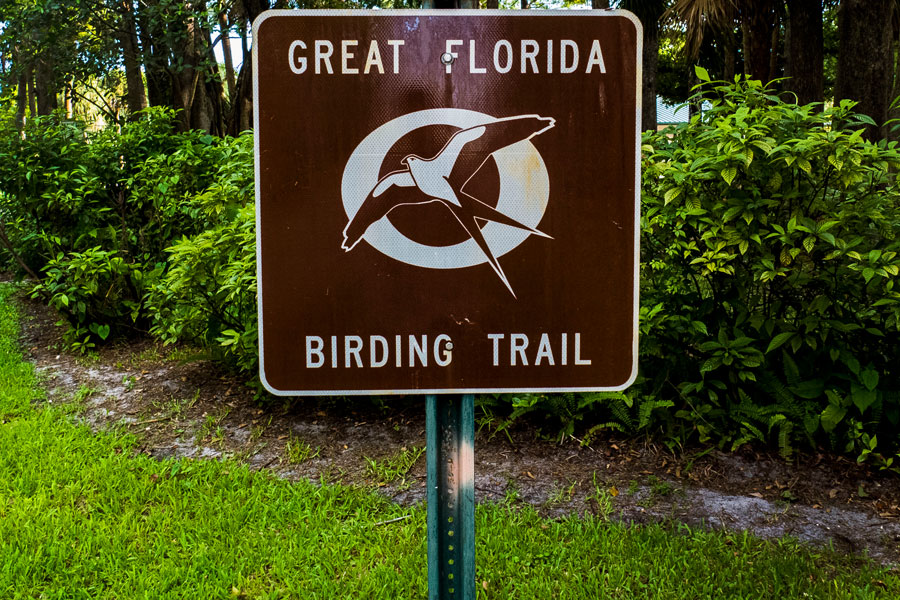
The Great Florida Birding and Wildlife Trail is a roughly 2,000-mile, self-guided network of more than 500 premier birding and wildlife-viewing sites across Florida. Managed by the Florida Fish and Wildlife Conservation Commission (FWC), the trail highlights the state’s remarkable range of ecosystems, from coastal marshes and estuaries to wetlands, pine forests, scrub, prairies, and urban green spaces. It is a rewarding resource for birders, photographers, nature lovers, and families looking to explore wild Florida at their own pace.
Because the trail includes many different public lands and managed sites, hours, fees, accessibility features, and amenities vary by location. Checking the individual site page before you go is the best way to confirm current visitor information.
What Is the Great Florida Birding and Wildlife Trail?
The trail is divided into four geographic sections—Panhandle, East, West, and South—covering the full breadth of Florida. Each section features a wide mix of habitats and birding hotspots where visitors can look for resident species, migratory birds, and other native wildlife in natural settings.
Beyond showcasing Florida’s biodiversity, the trail helps travelers plan meaningful outdoor experiences while encouraging conservation awareness and responsible wildlife viewing. Official maps, guidebooks, and site details can help you choose stops based on habitat, season, accessibility, and trip length.
Things to Do Along the Trail
- Birdwatching
Explore premier birding sites across Florida where you may spot a wide variety of species:- Waterbirds: Herons, egrets, roseate spoonbills, ibis, pelicans, and wood storks are common at many wetlands, estuaries, and coastal marshes.
- Raptors: Bald eagles, ospreys, red-shouldered hawks, and kestrels can often be seen over forests, lakes, and open fields.
- Migratory Birds: Warblers, sandpipers, shorebirds, and songbirds pass through Florida during spring and fall migration.
- Rare and Habitat-Specific Species: Depending on where you go, you may find Florida scrub-jays, snail kites, red-cockaded woodpeckers, and other specialty species.
- Wildlife Viewing
Birding is the main focus, but many sites also offer chances to observe Florida’s other iconic wildlife:- Manatees in select coastal estuaries and spring-fed waterways.
- Alligators, turtles, and wading animals in freshwater wetlands.
- Deer, otters, bobcats, and raccoons in forests, preserves, and parklands.
- Dolphins and other coastal wildlife at shoreline and island sites.
- Nature Hiking and Exploration
Many trail sites feature scenic routes through Florida’s varied landscapes:- Wetlands and Marshes: Boardwalks and observation areas can provide excellent views while helping protect sensitive habitat.
- Forests and Scrub Habitats: Quiet trails lead through places where native birds and wildlife thrive.
- Beaches and Coastal Trails: Combine birding with sweeping water views, dune landscapes, and seasonal shorebird watching.
- Photography
The trail is especially appealing for wildlife photographers and nature lovers:- Photograph birds in flight, wetlands at sunrise, native plants, and dramatic Florida landscapes.
- Many popular sites include overlooks, boardwalks, or observation towers that can improve viewing opportunities.
- Guided Walks and Educational Programs
Some sites and partner organizations offer nature-based programming throughout the year:- Learn about Florida ecosystems, bird identification, migration, and conservation.
- Look for seasonal bird walks, festivals, citizen-science events, and interpretive programs when available.
Highlights of the Four Trail Sections
- Panhandle Section
Explore coastal and inland sites from Pensacola to Tallahassee:- St. Marks National Wildlife Refuge: Well known for migratory birds, waterfowl, wading birds, and seasonal raptor viewing.
- Topsail Hill Preserve State Park: Offers trails through dunes, lakes, and pine flatwoods with opportunities for birding and nature walks.
- East Section
Along Florida’s Atlantic side, trail sites range from urban green spaces to renowned coastal refuges:- Merritt Island National Wildlife Refuge: One of Florida’s best-known birding destinations for waterfowl, wading birds, shorebirds, and raptors.
- Atlantic beaches, marshes, and estuaries: Seasonal migration can bring changing bird activity throughout the year.
- West Section
Florida’s Gulf Coast includes beaches, islands, mangroves, and inland wetland habitats:- Honeymoon Island State Park: A favorite for osprey sightings, beach birding, and migratory songbirds.
- J.N. “Ding” Darling National Wildlife Refuge: Known for shorebirds, wading birds, waterfowl, and excellent refuge scenery on Sanibel Island.
- Corkscrew Swamp Sanctuary: A celebrated boardwalk site through cypress habitat where birders often look for owls, woodpeckers, and wetland species.
- South Section
South Florida includes some of the state’s most distinctive wetland and subtropical habitats:- Everglades National Park: Explore sawgrass marshes, mangroves, and expansive habitats that support wading birds and other wildlife.
- Lake Okeechobee: A major birding area with habitat for wading birds, raptors, and species such as the snail kite.
Amenities & Facilities
Amenities vary widely from site to site, but many trail locations offer visitor-friendly features such as:
- Viewing Platforms: Towers, blinds, overlooks, and boardwalks at select sites can improve wildlife viewing.
- Visitor Centers: Some locations include exhibits, maps, staff information, and educational displays.
- Picnic Areas: Common at parks and larger public lands.
- Restrooms: Often available at major trailheads, refuges, and visitor hubs, though not at every stop.
- Trails and Boardwalks: Surfaces range from paved paths to natural trails, depending on the site.
Accessibility
Accessibility features differ by site, but many popular stops include options that can make birding easier for a wider range of visitors:
- Boardwalks and Paved Paths: Some sites offer smooth or elevated routes suitable for wheelchairs and strollers.
- Accessible Parking: Designated spaces may be available at trailheads, visitor centers, and major viewing areas.
- Accessible Viewing Areas: Certain overlooks and platforms are designed to improve access for visitors with mobility needs.
Before visiting, check the managing agency’s page for the specific site you plan to explore to confirm current accessibility details.
Tips for Visiting the Birding and Wildlife Trail
- Bring Binoculars and a Camera: Good optics can make a big difference when viewing birds at a distance.
- Visit Early or Late: Wildlife activity is often best in the morning and late afternoon, especially in warmer months.
- Check the Seasons: Spring and fall migration can be especially rewarding, but year-round birding is possible in Florida.
- Dress for the Outdoors: Wear lightweight, weather-appropriate clothing, sturdy shoes, and neutral colors when possible.
- Pack Essentials: Bring water, sunscreen, insect repellent, and any field guide or birding app you like to use.
- Review Site Rules: Pets, drones, cycling access, and boardwalk use rules can differ by location.
- Respect Wildlife: Observe from a safe distance and avoid disturbing nesting areas or sensitive habitats.
Map of the Great Florida Birding and Wildlife Trail
Nearby Attractions
Many trail sites are close to other natural and cultural destinations, making it easy to build a fuller Florida day trip or weekend getaway:
- State Parks: Pair birding with hiking, paddling, camping, or scenic drives.
- Wildlife Refuges and Preserves: Add more habitat types and wildlife-viewing opportunities to your itinerary.
- Historic Sites and Small Towns: Combine outdoor exploration with local history, dining, and regional culture.
Why Visit the Great Florida Birding and Wildlife Trail?
The Great Florida Birding and Wildlife Trail offers one of the best ways to experience the diversity of natural Florida. Whether you are seeking a quick roadside birding stop, a full day on boardwalks and trails, or a longer wildlife-focused road trip, the trail connects visitors with habitats and species found across the state. It also encourages thoughtful, conservation-minded travel by helping people appreciate the landscapes and wildlife that make Florida so distinctive.
For official maps, guidebooks, and site details, visit floridabirdingtrail.com