Treasure Coast
The Treasure Coast is a scenic region along Florida’s Atlantic coast, generally associated with Indian River, St. Lucie, and Martin counties. Known for quiet beaches, historic downtowns, fishing, boating, nature preserves, and the Indian River Lagoon, the Treasure Coast offers a slower and more relaxed alternative to the busier urban destinations farther south.
The region’s name comes from the Spanish treasure fleet of 1715, when ships carrying gold, silver, and other valuables wrecked along Florida’s east coast during a hurricane. Centuries later, that history still helps shape the area’s identity, connecting its beaches, museums, coastal towns, and maritime heritage to one of Florida’s most memorable stories.
For visitors, the Treasure Coast combines beaches, small-city charm, natural scenery, and outdoor recreation. A single trip can include walking the streets of Stuart, visiting museums in Fort Pierce, relaxing near Vero Beach, exploring Hutchinson Island, kayaking along the Indian River Lagoon, or discovering parks, wildlife refuges, beaches, and preserves throughout the region.
The Treasure Coast is also well positioned for travelers driving between South Florida, Central Florida, and the Space Coast. Interstate 95, Florida’s Turnpike, U.S. 1, A1A, regional airports, marinas, and local roadways connect the region with surrounding destinations while still allowing many communities to maintain a quieter coastal character.
About the Region
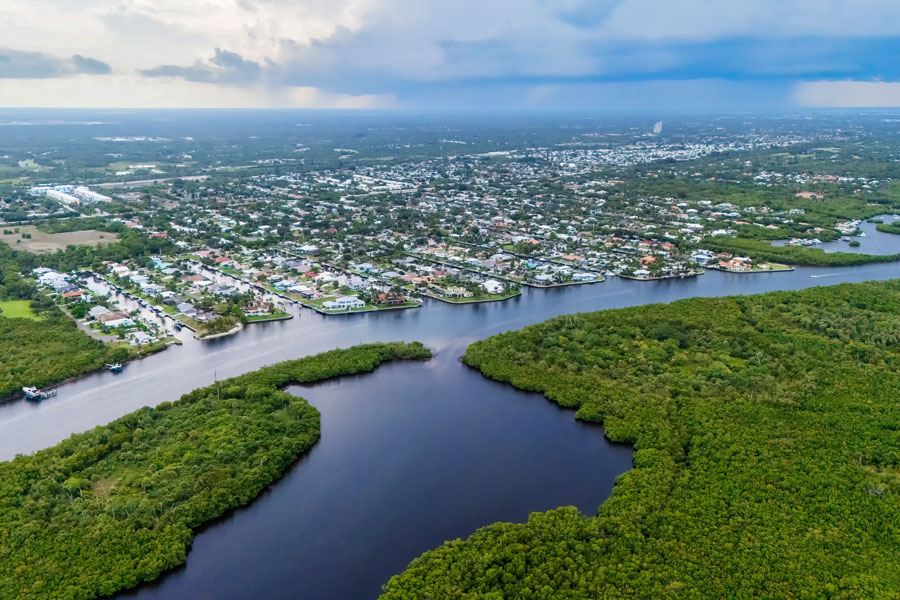
The Treasure Coast is shaped by water, history, and nature. The Atlantic Ocean defines the eastern edge, while the Indian River Lagoon, St. Lucie River, inlets, barrier islands, wetlands, and inland preserves give the region much of its identity. Compared with larger metropolitan areas in Florida, many Treasure Coast communities feel less crowded and more connected to boating, fishing, wildlife, beaches, and local history.
Indian River County is centered around Vero Beach, a coastal city known for beaches, cultural attractions, restaurants, shopping, and access to the Indian River Lagoon. Nearby communities such as Fellsmere offer a different side of the region, with agricultural history, open landscapes, and access to inland recreation.
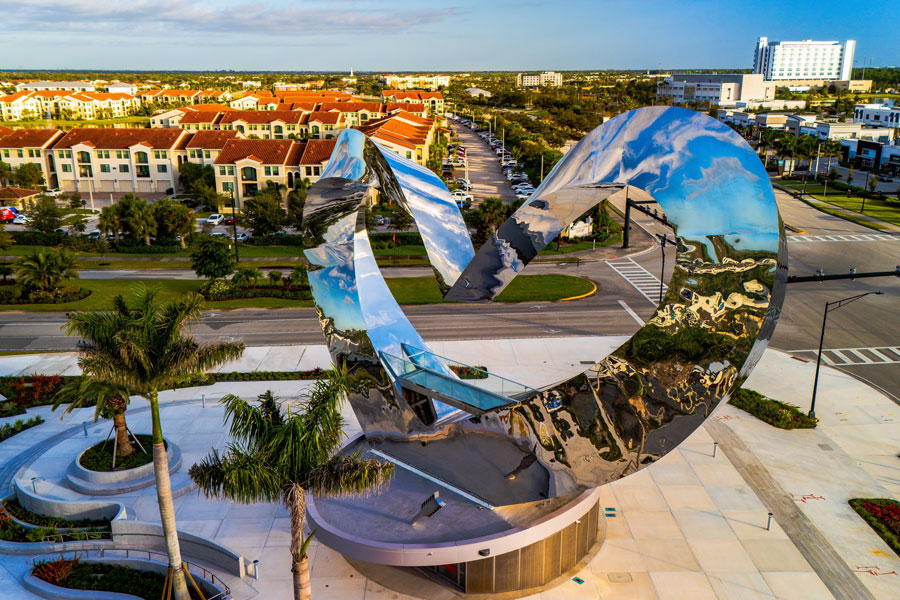
St. Lucie County includes Fort Pierce, Port St. Lucie, Hutchinson Island, beaches, marinas, museums, and nature areas. Fort Pierce is one of the region’s historic coastal anchors, while Port St. Lucie has grown into one of the area’s largest residential and commercial communities.
Martin County includes Stuart, Jensen Beach, Hobe Sound, and surrounding waterfront communities. Stuart is often associated with fishing, boating, historic downtown streets, restaurants, and access to the St. Lucie River and Atlantic coast.
Major Cities and Communities on the Treasure Coast
The Treasure Coast includes beach towns, historic cities, riverfront communities, barrier island areas, inland neighborhoods, and fast-growing residential destinations. Many of these places are connected by U.S. 1, Interstate 95, Florida’s Turnpike, A1A, and local roads that run between the Atlantic Ocean, the Indian River Lagoon, and inland communities.
- Indian River Shores
- Sebastian
- Palm City
- Sewall’s Point
- Ocean Breeze
- Rio
- Indiantown
- Fort Pierce North
Beaches and Coastal Areas
Beaches are one of the main reasons visitors come to the Treasure Coast. The shoreline is generally quieter than South Florida’s larger urban beaches, with many areas known for wide sand, natural dunes, sea turtle nesting, surf fishing, coastal parks, and scenic Atlantic views. Beach conditions can change quickly, so visitors should always pay attention to lifeguards, posted signs, surf reports, rip current warnings, and local regulations.
Hutchinson Island is one of the region’s defining coastal destinations, stretching along the Atlantic with beaches, parks, museums, waterfront restaurants, fishing areas, and access to both the ocean and the Indian River Lagoon. The island is especially popular with visitors looking for quieter shorelines and natural scenery.
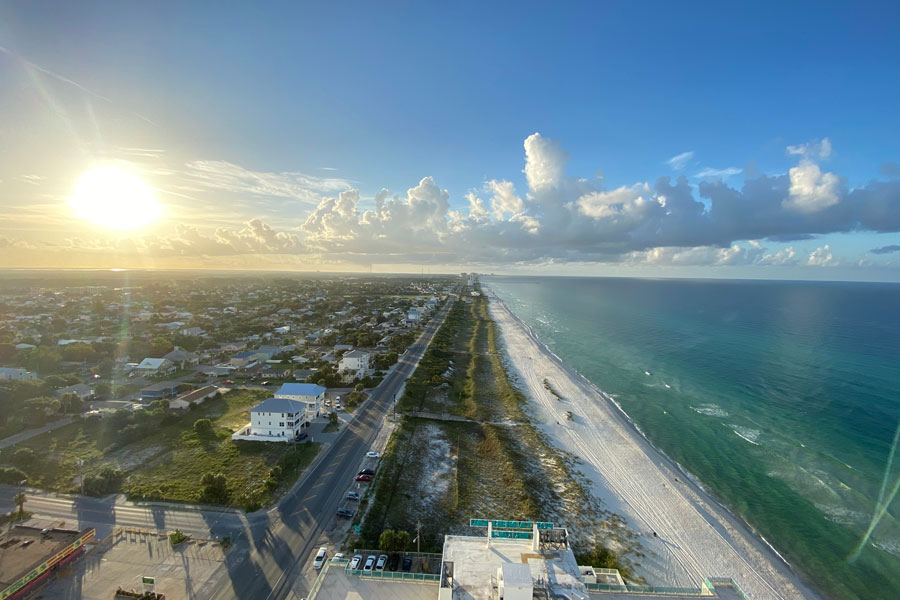
In Indian River County, Vero Beach offers a refined coastal experience with oceanfront resorts, beach parks, restaurants, shops, and cultural attractions nearby. Farther south, Jensen Beach and Stuart provide access to beaches, riverfront areas, inlets, and parks that appeal to boaters, anglers, families, and visitors looking for a relaxed coastal getaway.
- Hutchinson Island
- Vero Beach Atlantic Beaches
- Jensen Beach
- Hobe Sound
- Wabasso Beach
- South Beach Park
- Jaycee Park
- Humiston Beach Park
- Fort Pierce Inlet
- Jetty Park
- Frederick Douglass Memorial Park
- Blind Creek Beach
- Stuart Beach
- Bathtub Beach
- Santa Lucea Beach
- Seabranch Preserve coastline
Attractions, Landmarks, and Things To Do
The Treasure Coast offers a mix of coastal attractions, museums, historic sites, downtown districts, wildlife areas, gardens, and family-friendly places to explore. Many of the region’s best-known destinations are connected to the water, whether through maritime history, fishing, boating, beaches, shipwrecks, lagoons, or the region’s famous treasure story.
Fort Pierce is one of the region’s strongest historic and cultural destinations, with waterfront areas, museums, beaches, fishing access, and attractions such as the Downtown Fort Pierce district and the Smithsonian Marine Ecosystems Exhibit. The city’s location along the Indian River Lagoon gives visitors easy access to both cultural attractions and outdoor recreation.
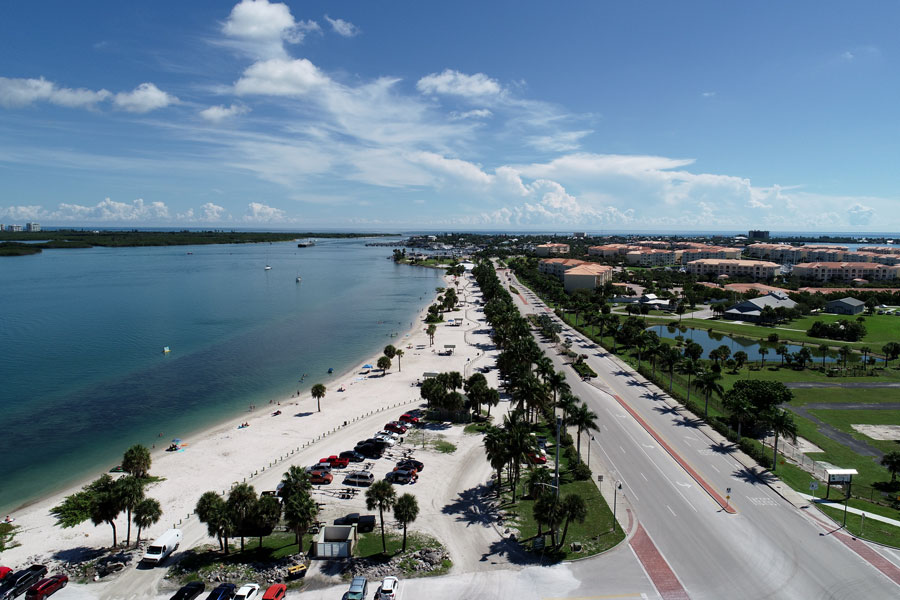
Stuart is known for its historic downtown, waterfront setting, restaurants, galleries, and strong association with boating and fishing. Vero Beach adds museums, gardens, theater, beach resorts, and quiet oceanfront neighborhoods, while Port St. Lucie provides access to parks, shopping, sports, and family-oriented communities.
- Navy SEAL Museum
- House of Refuge Museum
- Elliott Museum
- Manatee Observation and Education Center
- Heathcote Botanical Gardens
- Fort Pierce Inlet State Park
- St. Lucie County Aquarium
- Stuart Heritage Museum
Nature, Parks, and Outdoor Recreation
Nature is one of the Treasure Coast’s greatest strengths. The region includes beaches, inlets, rivers, lagoons, mangroves, maritime hammocks, wetlands, conservation lands, wildlife refuges, and state parks. Visitors can explore the outdoors by walking trails, kayaking, bird watching, fishing, boating, biking, photographing wildlife, visiting preserves, or spending time along the Indian River Lagoon.
The Indian River Lagoon is one of the region’s most important natural features. This extensive estuary runs along much of Florida’s east coast and supports a remarkable variety of fish, birds, manatees, dolphins, sea turtles, and coastal habitats. It also plays a major role in the Treasure Coast’s boating, fishing, kayaking, wildlife viewing, and waterfront lifestyle.
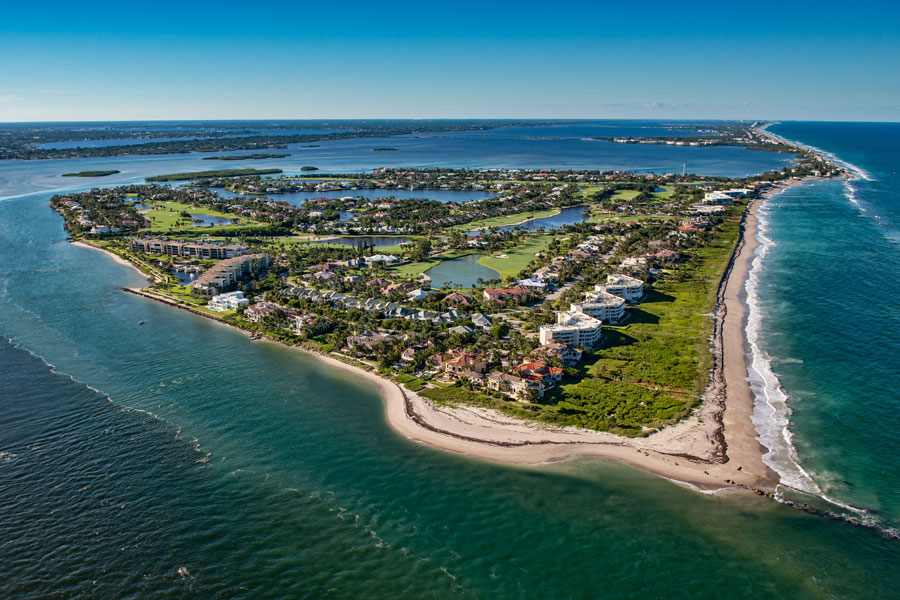
Outdoor destinations such as Savannas Preserve State Park, Pelican Island National Wildlife Refuge, Hawks Bluff Trail, McKee Botanical Garden, and Hutchinson Island give visitors many ways to experience the region’s natural beauty. From quiet birding trails to Atlantic beaches, the Treasure Coast is especially appealing for travelers who enjoy outdoor recreation without the density of larger urban areas.
- St. Lucie Inlet Preserve State Park
- Jonathan Dickinson State Park
- Round Island Riverside Park
- Oslo Riverfront Conservation Area
- Blue Cypress Conservation Area
- Halpatiokee Regional Park
- Spruce Bluff Preserve
- Donald B. Moore Heritage Preserve
Shopping, Dining, and Entertainment
Shopping, dining, and entertainment on the Treasure Coast are generally more relaxed than in Florida’s larger metropolitan areas. Instead of one dominant urban center, the region offers a collection of downtown districts, waterfront restaurants, beachside cafes, local boutiques, galleries, farmers markets, marinas, seafood spots, and community events.
Stuart is one of the region’s best-known destinations for dining, shopping, and strolling, with a downtown district that includes restaurants, galleries, shops, waterfront views, and seasonal events. Fort Pierce offers a historic waterfront setting with restaurants, marinas, markets, and cultural attractions, while Vero Beach is known for beachside dining, boutique shopping, museums, theater, and a polished coastal atmosphere.
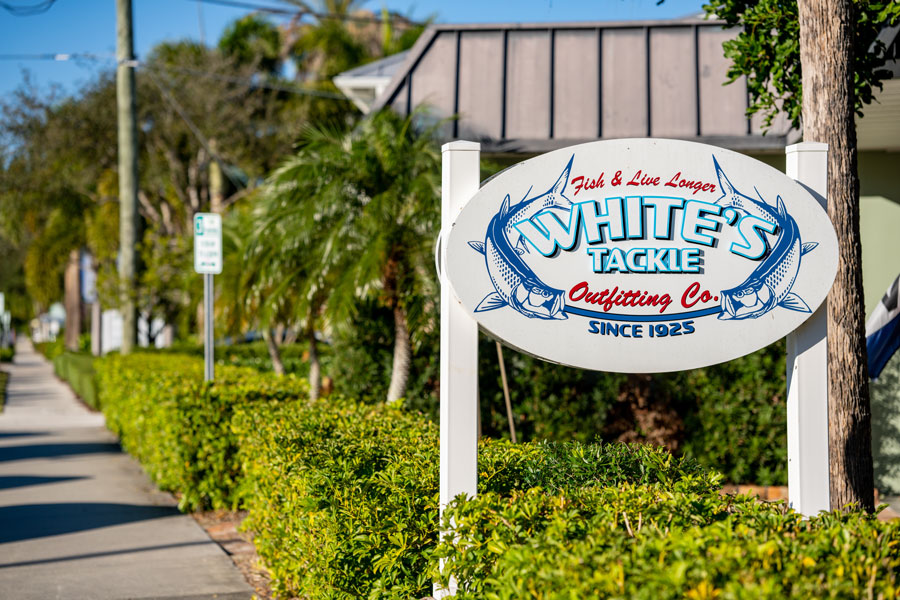
The region’s dining scene is closely tied to the water. Visitors will find seafood restaurants, casual fish houses, dockside dining, riverfront patios, beach cafes, and neighborhood restaurants throughout the area. Local entertainment may include live music, art walks, theater performances, festivals, fishing tournaments, farmers markets, and seasonal events in downtown and waterfront districts.
- Downtown Stuart
- Downtown Fort Pierce
- Vero Beach
- Jensen Beach
- Fort Pierce Farmers Market
- Stuart Green Market
- Vero Beach Ocean Drive
- Historic Downtown Vero Beach
- Treasure Coast Square
- Tradition in Port St. Lucie
- Port St. Lucie shopping centers
- Waterfront dining districts
- Beachside cafes
- Local seafood restaurants
- Art galleries
- Marina restaurants
Arts, Culture, and History
The Treasure Coast’s cultural identity is closely connected to maritime history, coastal settlement, the Indian River Lagoon, fishing, agriculture, and the famous Spanish treasure fleet that gave the region its name. While the region is quieter than South Florida, it has a strong sense of place shaped by historic downtowns, museums, local theaters, art galleries, working waterfronts, and preserved natural areas.
The story of the 1715 Spanish treasure fleet remains one of the most distinctive parts of the region’s identity. Shipwrecks off Florida’s east coast left behind stories of lost treasure, salvage efforts, coastal exploration, and maritime archaeology. That history continues to influence local museums, beach lore, tourism branding, and the region’s name.
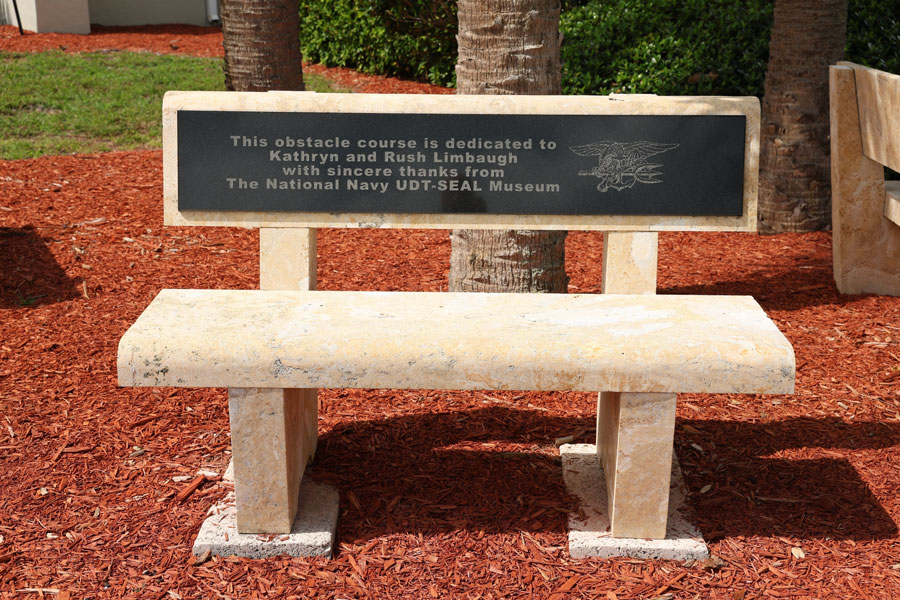
In Fort Pierce, visitors can explore downtown history, waterfront culture, marine science attractions, and military heritage connected to the Navy SEAL Museum. In Vero Beach, cultural anchors include the Vero Beach Museum of Art, Riverside Theatre, and McKee Botanical Garden. In Stuart, historic streets, waterfront views, galleries, and local events help preserve the character of one of the region’s most recognizable downtowns.
Art walks, small museums, historic homes, theater performances, local festivals, and waterfront cultural events help visitors experience the Treasure Coast beyond its beaches. The region’s cultural life is often more intimate than in larger cities, giving travelers the chance to connect with local history, artists, community traditions, and coastal heritage.
Airports and Transportation
The Treasure Coast is primarily a driving region, with Interstate 95, Florida’s Turnpike, U.S. 1, A1A, and local roads connecting its cities, beaches, parks, and waterfront areas. Visitors arriving by car can reach the region from South Florida, Central Florida, Orlando, Palm Beach County, and the Space Coast, making it a practical stop on longer Florida road trips.
Regional airports also serve the Treasure Coast. Vero Beach Regional Airport provides access to Indian River County, while Treasure Coast International Airport and Witham Field support general aviation, business travel, flight training, and private aircraft activity in the Fort Pierce and Stuart areas. Many commercial travelers also use larger airports outside the region, including Palm Beach International Airport, Orlando International Airport, and Melbourne Orlando International Airport, depending on their final destination.
Because Treasure Coast destinations are spread across coastal roads, barrier islands, downtown districts, inlets, and inland communities, most visitors benefit from having a car. Traffic is generally lighter than in South Florida, but beach access areas, festivals, boat ramps, and downtown streets can become busy during weekends, holidays, seasonal events, and peak winter travel periods.
- Vero Beach Regional Airport
- Treasure Coast International Airport
- Witham Field
- Interstate 95
- Florida’s Turnpike
- U.S. Route 1
- A1A coastal route
- Fort Pierce marinas
- Stuart marinas
- Port St. Lucie road connections
- Regional boat ramps
- Nearby commercial airports
Treasure Coast for Families
Families visiting the Treasure Coast can choose from beaches, parks, museums, nature centers, botanical gardens, boat tours, fishing piers, wildlife refuges, downtown districts, and family-friendly restaurants. The region is especially appealing for families who want a quieter coastal trip with outdoor activities, educational attractions, and easy access to nature.
In Fort Pierce, families can visit waterfront areas, beaches, marine science attractions, and museums. In Vero Beach, popular options include beaches, theater, gardens, art, and nearby wildlife areas. Stuart, Jensen Beach, Hobe Sound, and Hutchinson Island offer beach parks, nature areas, fishing spots, kayaking, and small-town destinations that are easy to combine into a relaxed itinerary.
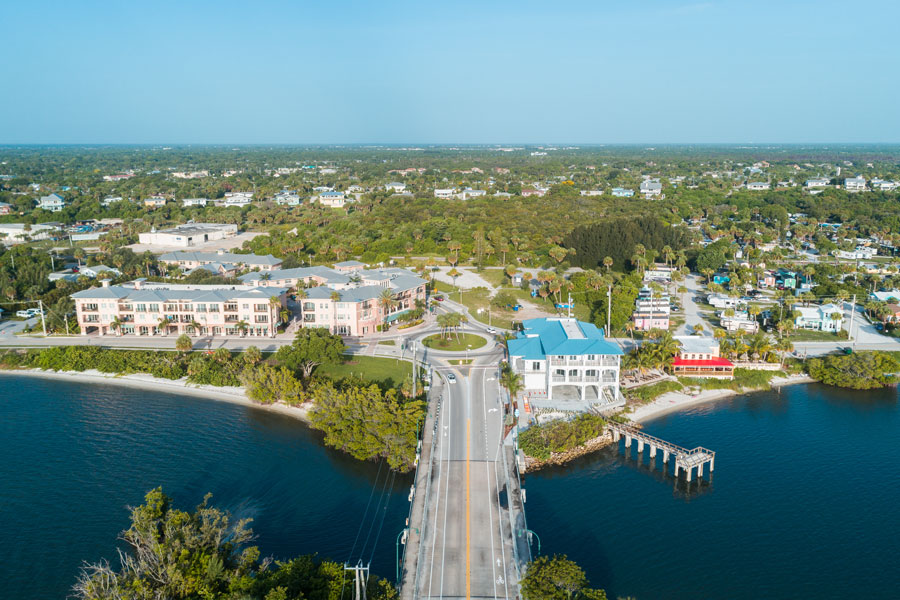
The Treasure Coast is also useful for families who enjoy wildlife watching. Sea turtle nesting, manatees, dolphins, shorebirds, wading birds, fish, and lagoon habitats are all part of the regional experience. Many parks and preserves offer opportunities to introduce children to Florida’s coastal ecosystems without requiring long hikes or complicated travel plans.
- Manatee Observation and Education Center
- St. Lucie County Aquarium
- Navy SEAL Museum
- House of Refuge Museum
- Round Island Riverside Park
- Family beach parks
Sports and Events
The Treasure Coast has a strong calendar of local events tied to fishing, boating, seafood, arts, music, history, sports, farmers markets, seasonal celebrations, and community festivals. Events tend to feel smaller and more local than those in major Florida cities, but they are an important part of the region’s appeal for visitors who want an authentic coastal experience.
Baseball also plays an important role in the region. Port St. Lucie is widely associated with spring training and baseball activity, drawing fans during the season and supporting sports tourism in the area. Fishing tournaments, sailing events, boat shows, and marina-based gatherings reflect the region’s strong connection to the water.
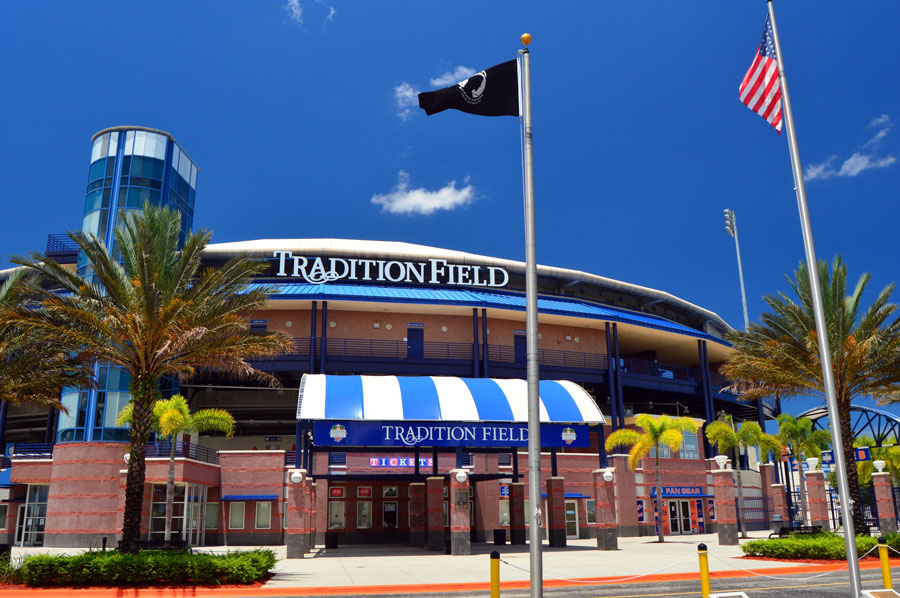
Annual festivals throughout Stuart, Fort Pierce, Vero Beach, Jensen Beach, and Port St. Lucie highlight seafood, art, music, local food, agriculture, history, and holiday traditions. Farmers markets, art walks, theater performances, waterfront concerts, and downtown events help keep the Treasure Coast active throughout the year while preserving its relaxed regional character.
When To Visit the Treasure Coast
The Treasure Coast is a year-round destination, but the experience changes by season. Winter and early spring are among the most popular times to visit because the weather is generally comfortable, humidity is lower, and outdoor activities such as beach walks, boating, fishing, festivals, and wildlife viewing are especially enjoyable.
Summer brings warmer temperatures, higher humidity, afternoon storms, and a slower seasonal pace in some areas. Beach days, boating, early morning walks, indoor museums, shaded parks, and waterfront dining are popular during the summer months. Visitors should also remember that hurricane season runs from June through November, so monitoring weather conditions is important when planning trips during that time.
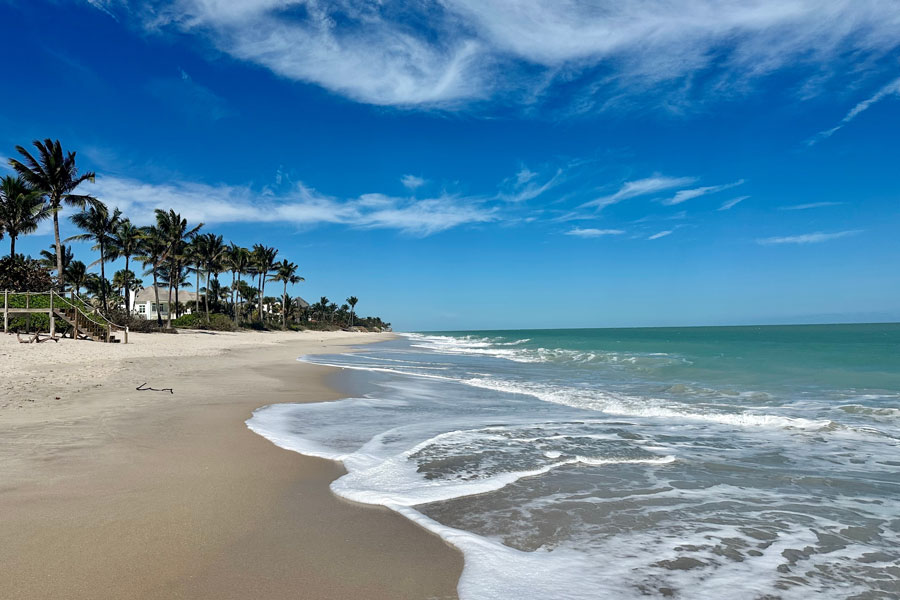
Fall can be a quieter time to visit, especially for travelers looking for fewer crowds and more relaxed access to beaches, restaurants, downtown districts, and parks. Spring is also a strong season for outdoor recreation, fishing, gardens, and festivals. No matter when you visit, sun protection, hydration, comfortable clothing, and flexible plans are helpful throughout the Treasure Coast.
Vicinity of the Treasure Coast
Additional Details
| Region | Treasure Coast |
| Primary Counties | Indian River, St. Lucie and Martin counties |
| Major Cities and Communities | Vero Beach, Fort Pierce, Port St. Lucie, Stuart, Jensen Beach, Hobe Sound and Fellsmere |
| Major Coastal Areas | Hutchinson Island, Vero Beach Atlantic Beaches, Jensen Beach and Hobe Sound |
| Major Natural Areas | Indian River Lagoon, Savannas Preserve State Park, Pelican Island National Wildlife Refuge, Hawks Bluff Trail and Jonathan Dickinson State Park |
| Cultural Attractions | Downtown Fort Pierce, Smithsonian Marine Ecosystems Exhibit, Vero Beach Museum of Art, Riverside Theatre and McKee Botanical Garden |
| Regional Airport | Vero Beach Regional Airport |
| Nearby Commercial Airports | Palm Beach International Airport, Melbourne Orlando International Airport and Orlando International Airport |
| Known For | Atlantic beaches, the Indian River Lagoon, boating, fishing, historic downtowns, wildlife, the 1715 Spanish treasure fleet and a quieter coastal atmosphere |
| Best Time to Visit | Year-round, with winter and early spring especially popular for beaches, boating, fishing, wildlife viewing and outdoor recreation |
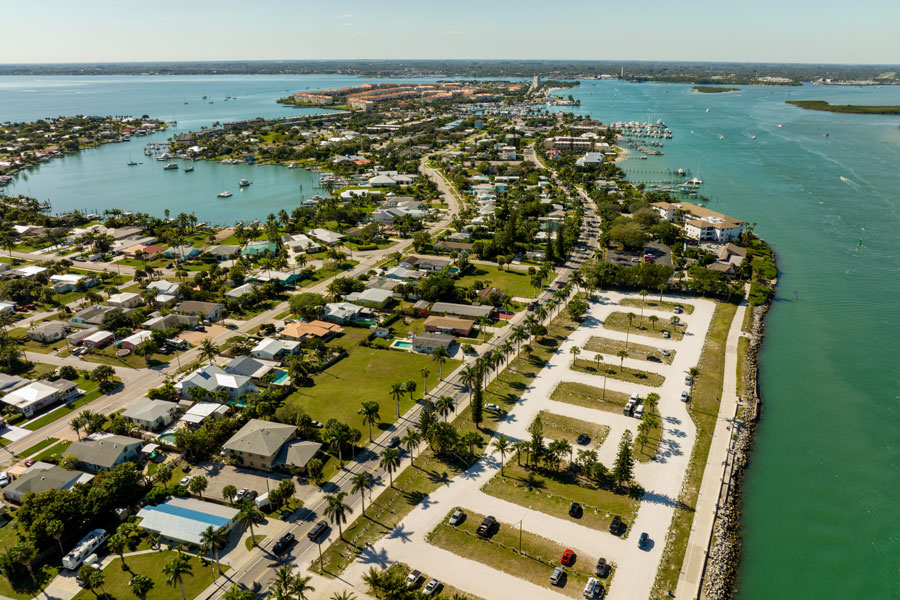
Exploring the Treasure Coast
The Treasure Coast rewards visitors who explore it community by community. Vero Beach combines Atlantic beaches with cultural destinations such as the Vero Beach Museum of Art, Riverside Theatre and McKee Botanical Garden. Farther south, Fort Pierce offers a historic waterfront, Downtown Fort Pierce, marine attractions and convenient access to Hutchinson Island, while Port St. Lucie adds parks, recreation, shopping and sports to the regional mix.
In Martin County, Stuart, Jensen Beach and Hobe Sound provide access to riverfront districts, beaches, boating, fishing and natural areas. Across the region, the Indian River Lagoon connects many of these communities with one of Florida’s most distinctive estuarine environments, while Savannas Preserve State Park, Pelican Island National Wildlife Refuge, Hawks Bluff Trail and Jonathan Dickinson State Park expand the experience beyond the beach.
Whether the trip centers on the Vero Beach Atlantic Beaches, the waterways of the Indian River Lagoon, the museums and waterfront of Fort Pierce, the small-city character of Stuart, or the quieter coastal communities around Jensen Beach and Hobe Sound, the Treasure Coast offers a broad range of places to explore without the density of Florida’s largest metropolitan areas. Use the destination, attraction, beach, park and airport links throughout this guide to explore individual places and build a Treasure Coast itinerary around the parts of the region that interest you most.