North Florida
North Florida brings together some of the state’s oldest communities, major Atlantic Coast cities, freshwater springs, winding rivers, pine forests and quiet inland towns. From the busy waterfront and neighborhoods of Jacksonville to the historic streets of St. Augustine and the university culture of Gainesville, this broad region offers visitors an experience quite different from the resort corridors of Central and South Florida.
The northern part of the Florida peninsula is also a place of geographic contrasts. Atlantic beaches and tidal marshes lie within driving distance of wooded river valleys, spring-fed waterways, historic agricultural communities and extensive conservation lands. Travelers can build a trip around history, beaches, boating, outdoor recreation, local food or a combination of all of them.
Where Is North Florida?
North Florida stretches across the northern portion of the Florida peninsula, from the Atlantic coastal communities of Nassau, Duval, St. Johns and Flagler counties westward through the inland landscapes surrounding Gainesville, Lake City and the Suwannee River basin. The region encompasses historic coastal cities, barrier islands, freshwater springs, winding rivers, forests and rural communities. Its geography includes areas commonly known as Northeast Florida and North Central Florida. Definitions of North Florida sometimes also include the Florida Panhandle, which extends west toward the Gulf Coast.
Jacksonville and the First Coast
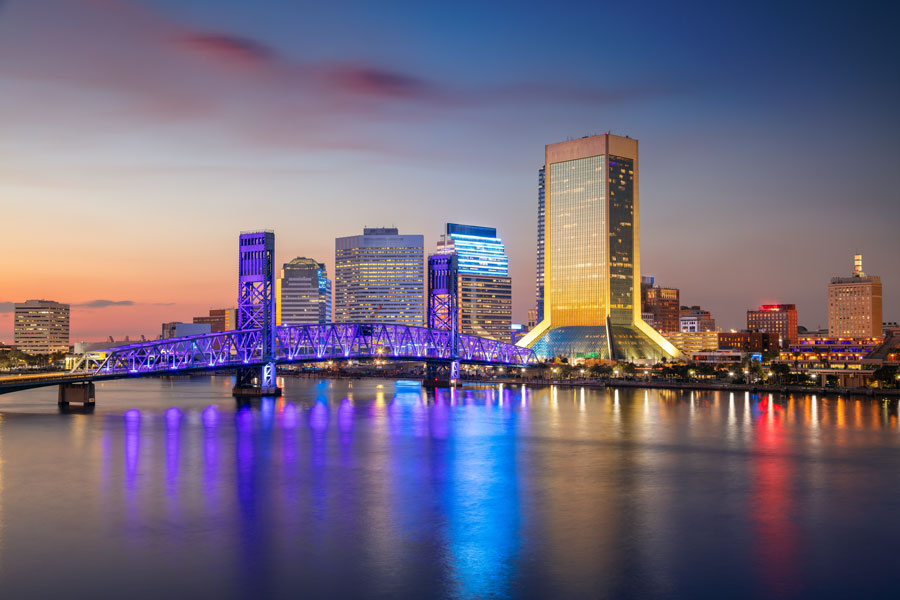
Jacksonville is the region’s largest city and an important center for business, culture, sports and transportation. Its downtown stretches along the St. Johns River, while surrounding neighborhoods offer museums, performing arts, parks, breweries, restaurants and historic residential districts. The river shapes much of the city’s geography, creating waterfront views and connecting the urban center with coastal and inland environments.
East of downtown, Jacksonville Beach, Neptune Beach and Atlantic Beach provide broad Atlantic shorelines, oceanfront recreation and walkable commercial districts. Visitors can combine time on the coast with downtown attractions, riverfront parks and trips into the city’s extensive natural areas. The area is often marketed as Florida’s First Coast, a name associated with the region’s early European history.
St. Augustine and Florida’s Historic Coast
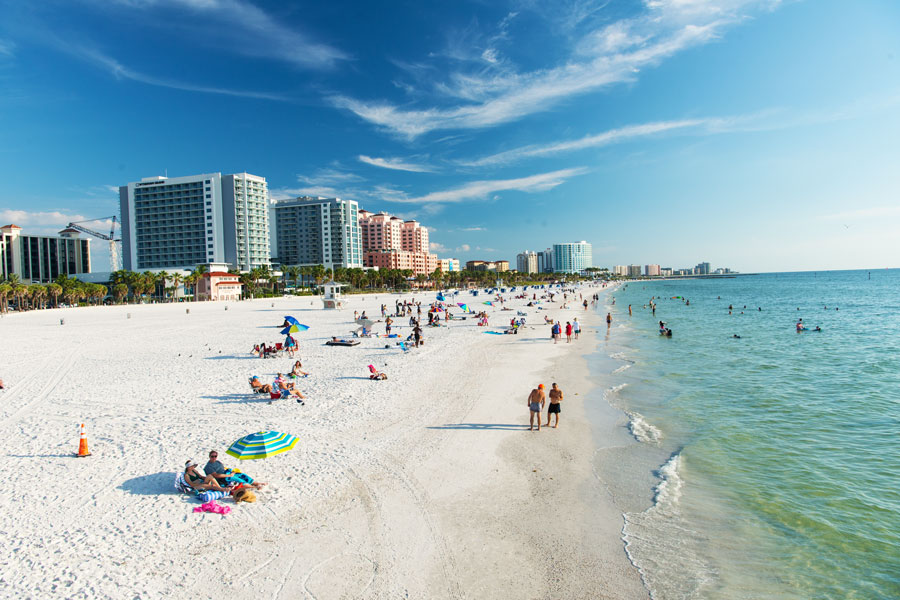
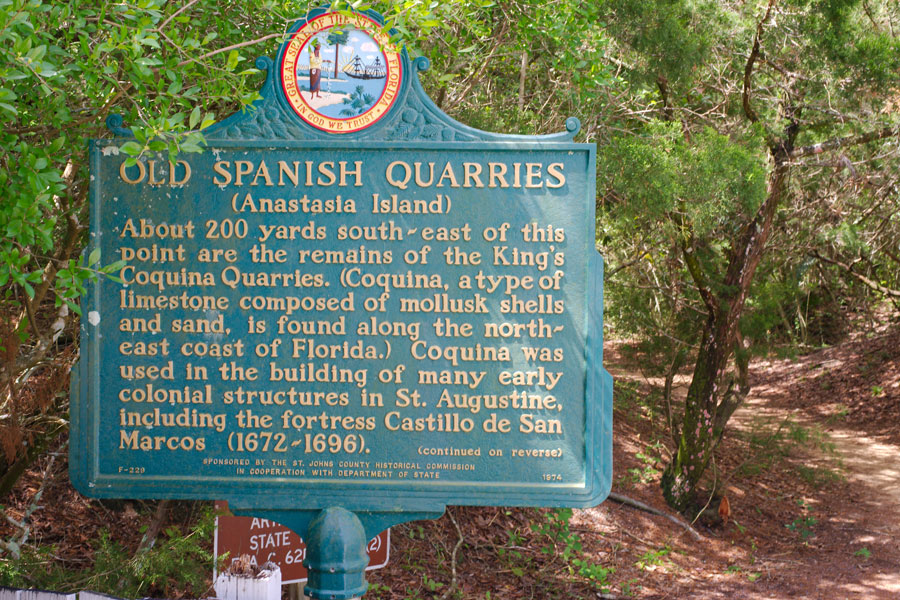
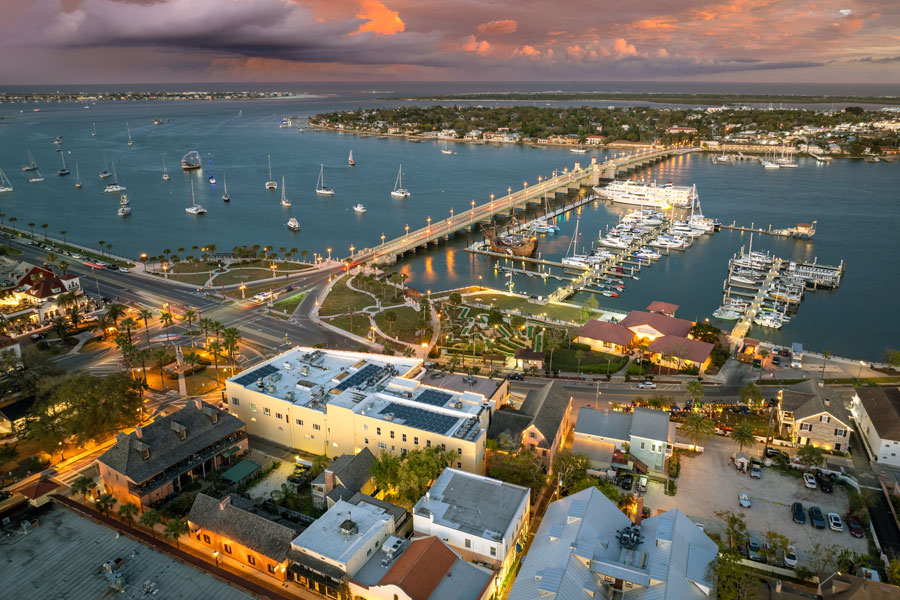
St. Augustine is one of the best-known historic destinations in the United States. Founded by Spanish settlers in 1565, it is recognized as the oldest continuously occupied European-established settlement in the continental United States. Its compact historic center includes narrow streets, preserved architecture, museums, churches, plazas, shops and restaurants, while the Castillo de San Marcos remains a defining landmark on the waterfront.
Beyond the historic district, visitors can explore St. Augustine Beach, Anastasia Island, coastal parks and the communities along the Matanzas River. The area works especially well for travelers interested in combining history with beach time, scenic drives and waterfront dining. Its popularity also makes advance planning worthwhile during weekends, holidays and major events.
Amelia Island, Fernandina Beach and Nassau County
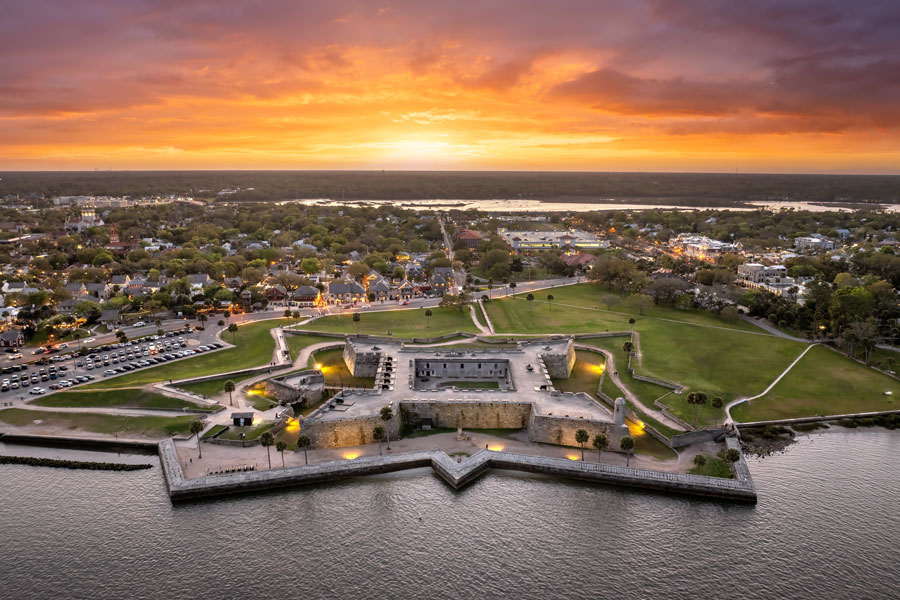
At Florida’s northeastern corner, Amelia Island offers a combination of Atlantic beaches, maritime history and small-town character. Fernandina Beach is known for its historic downtown, Victorian-era buildings, shops, restaurants and working waterfront along the Amelia River. The island’s shoreline, parks and trails provide outdoor experiences distinct from the urban atmosphere of Jacksonville.
Visitors can explore Fort Clinch State Park, spend time on the beach, take a boat excursion or wander through the historic downtown. Nassau County also includes mainland communities and rural landscapes that illustrate the transition between the coast and inland North Florida.
Gainesville and Alachua County
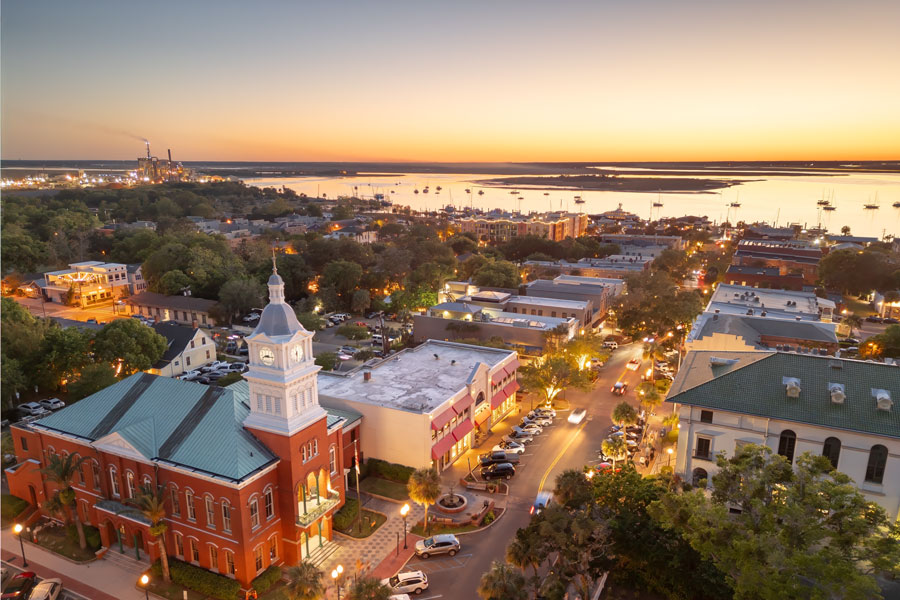
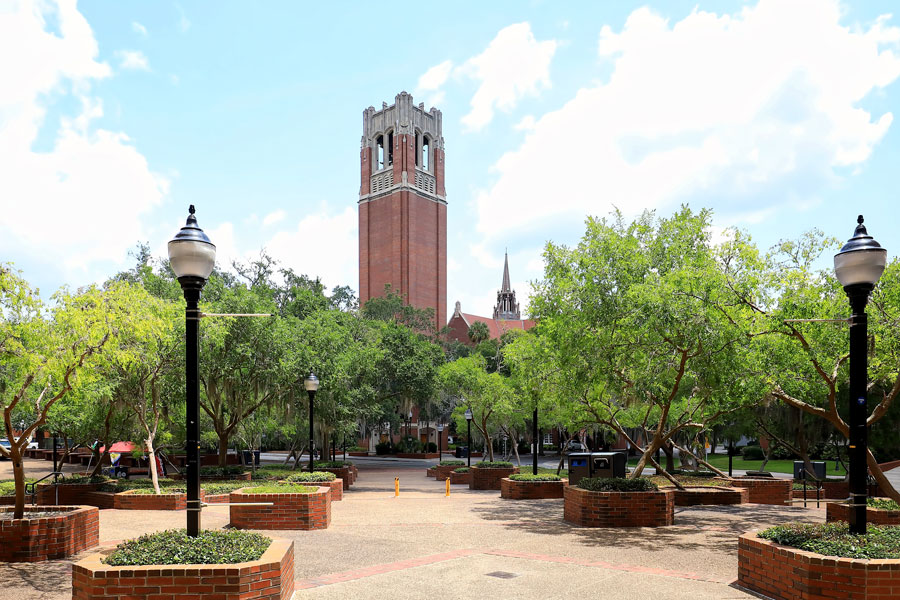
Gainesville is home to the University of Florida and has a lively cultural environment shaped by students, museums, performing arts, sports and local businesses. Visitors will find historic neighborhoods, restaurants, public gardens and opportunities to explore the surrounding natural landscape. The city is also a convenient base for visiting parks and conservation areas in Alachua County.
Paynes Prairie Preserve State Park, south of Gainesville, protects an expansive wetland and grassland landscape with trails and wildlife-viewing opportunities. Nearby towns such as Micanopy and High Springs offer historic streets, antique shops and access to freshwater recreation. Together, these destinations reveal a side of Florida centered more on universities, natural history and outdoor exploration than on large resort attractions.
Lake City, Live Oak and the Suwannee River Region
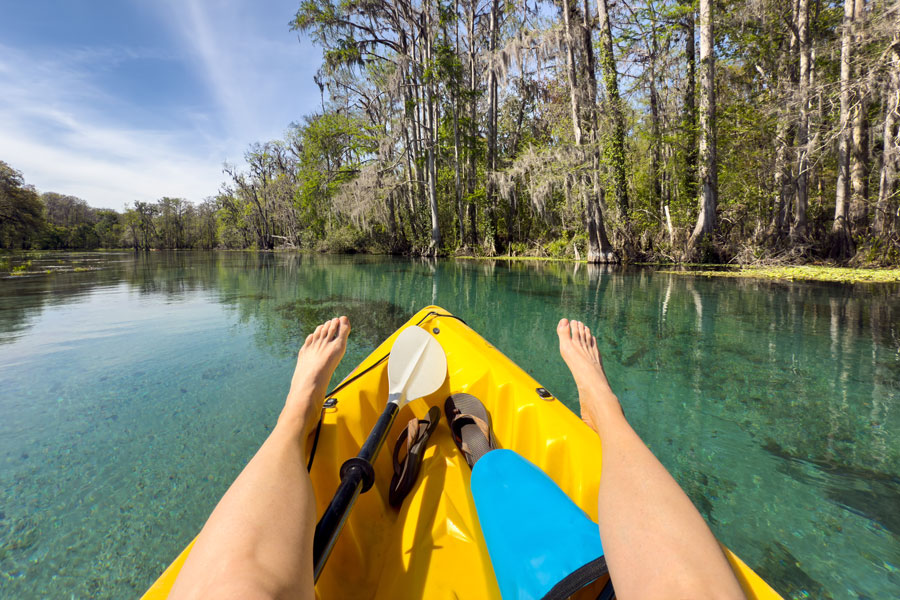
West and northwest of Gainesville, Lake City and Live Oak serve as gateways to forests, rivers, springs and rural communities. The Suwannee River is among North Florida’s defining natural features, flowing through wooded landscapes and connecting numerous public recreation areas. Its tributaries and surrounding spring systems attract paddlers, swimmers, anglers and visitors interested in the region’s natural environment.
Ichetucknee Springs State Park is especially associated with clear spring water and seasonal tubing, while the broader river region offers canoeing, kayaking, hiking and camping. Park access, water conditions, seasonal activity rules and wildlife protections vary, so visitors should check official park information before planning a trip.
Palatka, the St. Johns River and Inland Communities
Palatka sits along the St. Johns River south of Jacksonville and offers a different perspective on North Florida’s waterways and historic river communities. The city’s riverfront setting, historic architecture and surrounding natural areas make it a potential stop on an inland driving itinerary. Smaller towns throughout Putnam and neighboring counties preserve local histories tied to river transportation, farming, timber and tourism.
The St. Johns River flows northward through much of eastern Florida before reaching the Atlantic Ocean near Jacksonville. Along its course, wetlands, tributaries and lakes support boating, fishing and wildlife viewing. Travelers interested in quiet landscapes can explore riverfront parks, public access areas and conservation lands, while respecting private property and seasonal conditions.
Atlantic Beaches, Islands and Coastal Parks
North Florida’s Atlantic shoreline includes broad sandy beaches, barrier islands, dunes, tidal creeks and salt marshes. Jacksonville’s beaches, Amelia Island and the St. Augustine area are among the best-known coastal destinations, but smaller beach communities and protected shorelines also offer opportunities for walking, birdwatching, surf fishing and kayaking.
Coastal conditions can change quickly with tides, weather and surf. Visitors should pay attention to posted beach flags, rip-current warnings, seasonal nesting protections and parking regulations. The coast is particularly rewarding for those who want to combine beach recreation with historic sightseeing and natural areas rather than spend an entire trip in a single resort district.
Springs, State Parks and Wildlife
North Florida is one of the state’s important freshwater recreation areas. Springs and spring-fed rivers are scattered across the inland landscape, while large parks and forests protect wetlands, pine woods, hammocks and river corridors. Depending on the location and season, visitors may enjoy paddling, hiking, camping, fishing, swimming where permitted and observing birds and other native animals.
Notable destinations include Ichetucknee Springs State Park, O’Leno State Park, Paynes Prairie Preserve State Park, Fort Clinch State Park and the extensive public lands around the Suwannee River. These places are not interchangeable: some are best suited to swimming or tubing, while others emphasize hiking, historic sites, wildlife viewing or paddling. Check current conditions and permitted activities before visiting.
History, Culture and Local Communities
North Florida’s history includes Indigenous cultures, Spanish and British colonial periods, territorial settlement, agriculture, maritime trade, the Civil War era and the growth of modern universities and cities. Historic sites and museums in St. Augustine, Jacksonville, Fernandina Beach, Gainesville and smaller communities tell different parts of that story.
Travelers can also experience the region through local festivals, arts organizations, college sports, historic downtowns and food traditions. Seafood is important along the coast, while inland communities reflect a mix of Southern and Florida culinary influences. Visiting local museums and independently operated businesses helps place the better-known attractions in a broader regional context.
Family Activities, Dining and Events
Families visiting North Florida can mix beach days with museums, forts, nature trails, boat tours, zoos, science attractions and spring-fed recreation. Jacksonville offers big-city attractions and sports, St. Augustine provides historic experiences, and Gainesville and the inland river communities offer opportunities to explore natural history and freshwater environments.
Dining ranges from waterfront seafood restaurants to neighborhood cafés, college-town eateries and historic downtown restaurants. Seasonal festivals, university calendars, sporting events and holiday activities can influence traffic and hotel availability. For popular attractions and outdoor excursions, verify hours, reservations and access conditions before departure.
When to Visit North Florida
North Florida can be visited year-round, but the seasons are more noticeable here than in much of South Florida. Spring and fall often bring comfortable conditions for sightseeing, walking and outdoor recreation. Summers are hot and humid, with frequent thunderstorms, while winters can be cool and occasionally bring freezing temperatures inland.
Beach trips are popular in the warmer months, while spring and fall are often appealing for historic towns, state parks and river excursions. Water temperatures and spring access vary, and some wildlife or recreational activities are seasonal. Atlantic hurricane season runs from June through November, making weather monitoring an important part of travel planning.
Airports and Getting Around
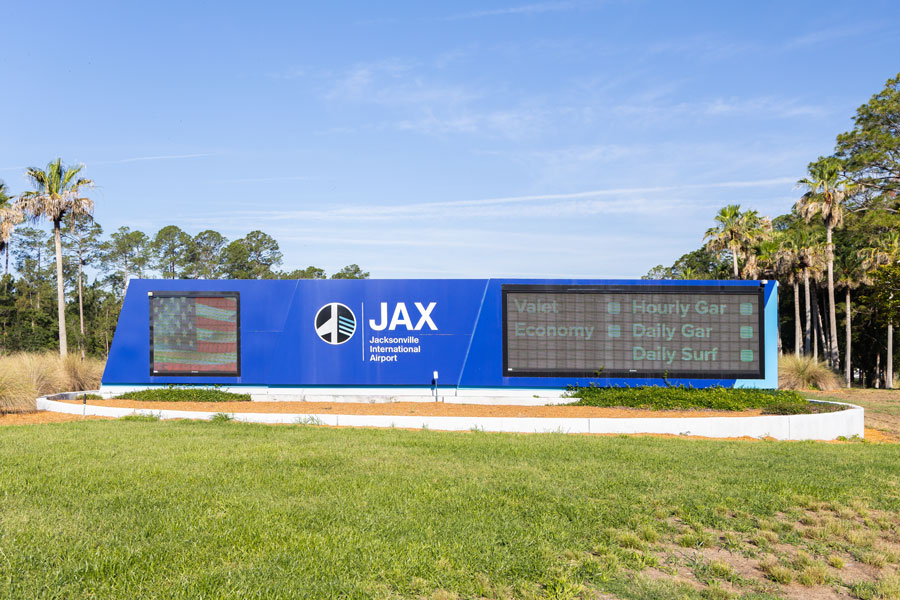
Jacksonville International Airport is the main commercial airport for the northeastern portion of the region. Gainesville Regional Airport serves Gainesville and nearby communities, while other airports may be useful depending on a traveler’s destination and available flight schedules. Driving is generally the most practical way to connect the coastal cities, inland towns, springs and state parks.
Interstate 95 follows the Atlantic side of the region, Interstate 75 passes through Gainesville and Lake City, and Interstate 10 crosses northern Florida through Jacksonville and Lake City toward the Panhandle. U.S. Highway 1, U.S. Highway 17 and several state roads provide access to historic towns and smaller destinations. Travel times can vary considerably with congestion, weather and the distance between coastal and inland attractions.
Vicinity of North Florida
Additional Details
| Region | North Florida / Northeast and North Central Florida |
| Geographic Focus | Jacksonville, St. Augustine, Amelia Island, Gainesville, Lake City and the Suwannee River area |
| Principal Destinations | Jacksonville, St. Augustine, Fernandina Beach, Gainesville, Lake City, Live Oak, Palatka and High Springs |
| Atlantic Coast | Jacksonville Beach, Atlantic Beach, Neptune Beach, Amelia Island, St. Augustine Beach and Anastasia Island |
| Notable Natural Areas | Ichetucknee Springs State Park, Paynes Prairie Preserve State Park, Fort Clinch State Park, O’Leno State Park and the Suwannee River corridor |
| Major Waterways | St. Johns River, Suwannee River, Santa Fe River and Atlantic coastal estuaries |
| Major Highways | Interstates 10, 75 and 95; U.S. Highways 1 and 17 |
| Airports | Jacksonville International Airport and Gainesville Regional Airport |
| Known For | Historic coastal cities, Atlantic beaches, universities, freshwater springs, rivers, state parks and Southern-influenced local culture |
| Best Time to Visit | Year-round; spring and fall are often comfortable for sightseeing and outdoor recreation |
Exploring North Florida
North Florida offers a combination of historic cities, Atlantic beaches and inland landscapes that rewards travelers willing to explore beyond a single destination. Jacksonville provides urban attractions and riverfront neighborhoods, St. Augustine offers centuries of history and distinctive architecture, and Amelia Island and Fernandina Beach add coastal scenery and maritime heritage. Each destination offers a different perspective on the region’s identity.
Farther inland, Gainesville, Lake City, Live Oak and the Suwannee River corridor reveal another side of the state, with university culture, rural towns, clear springs and forested waterways. The St. Johns River connects river communities and natural areas, while state parks throughout the region provide opportunities for paddling, wildlife viewing, hiking and camping. The contrast between the Atlantic shoreline and the inland spring country is one of North Florida’s strongest reasons to explore more than one area.
Whether the itinerary includes a weekend in a historic town, several days on the coast, a family visit to Jacksonville or a road trip through springs and small communities, North Florida provides a broad range of experiences without relying on a single attraction or resort corridor. The combination of coastal communities, historic landmarks, river corridors and spring-fed recreation areas makes it possible to connect individual stops into a memorable journey through the northern peninsula.